CÔNG TY CỔ PHẦN GIẢI PHÁP TỰ ĐỘNG HÓA ETEK | ETEK INTRALOGISTICS



Autonomous Mobile Robots (AMRs) – Smart Transportation Solutions for Modern Enterprises
1. What are Autonomous Mobile Robots (AMRs)?
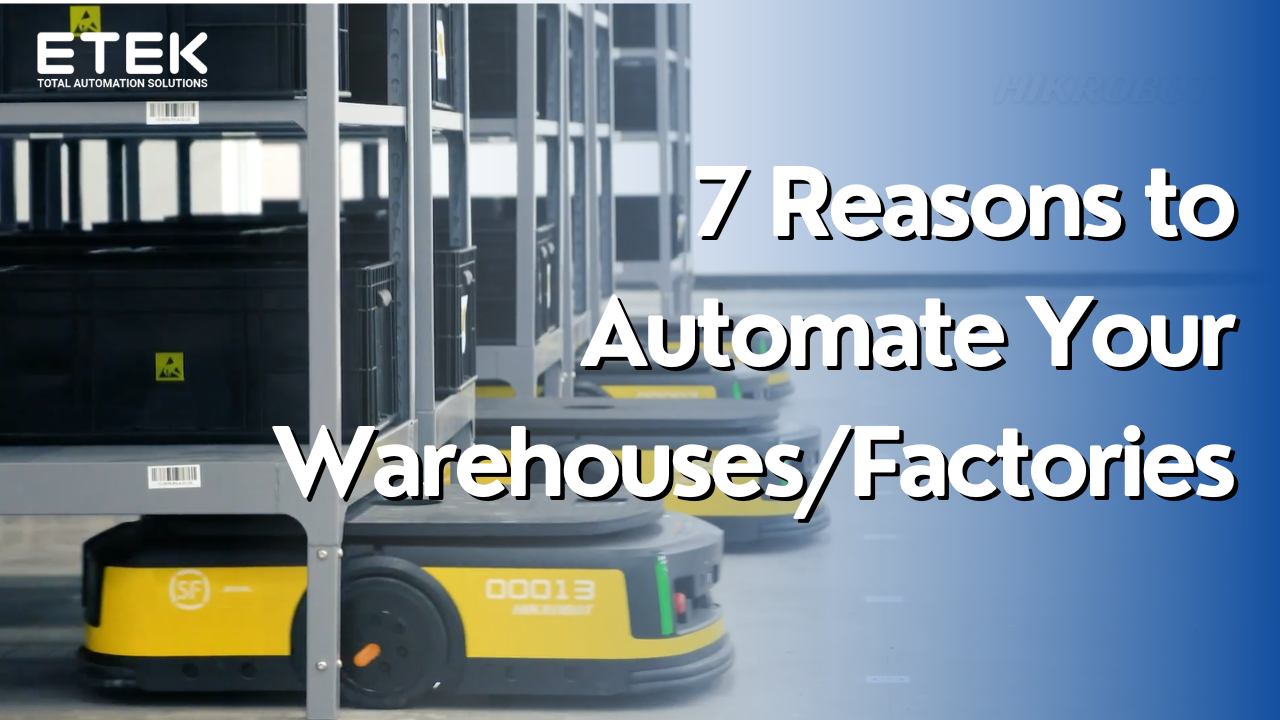
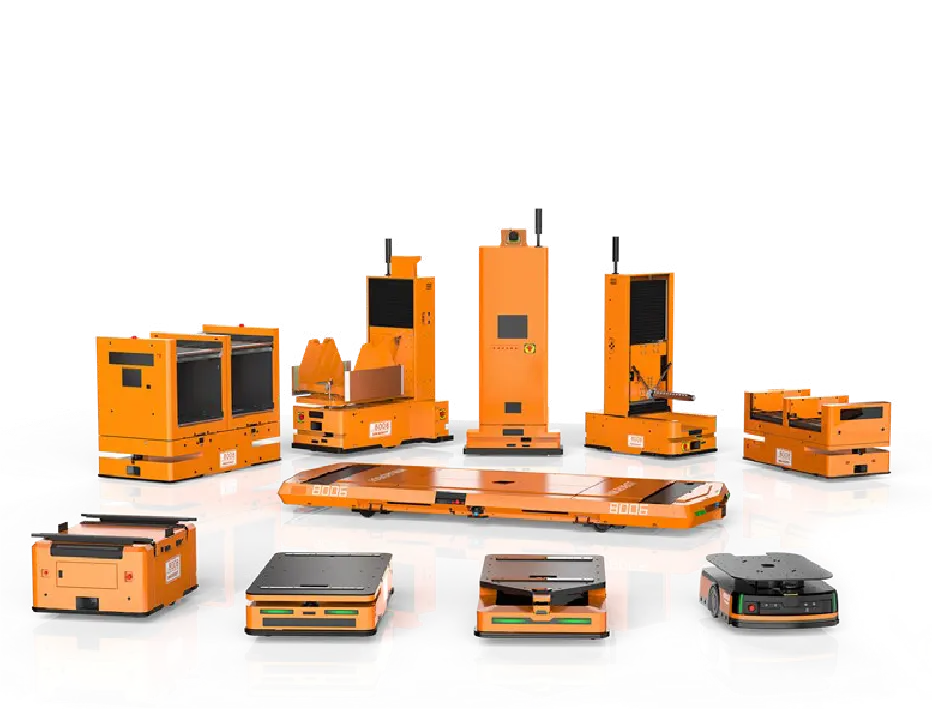
Autonomous Mobile Robots (AMRs) are intelligent mobile robots capable of navigating independently, perceiving their environment, and performing transport tasks without direct human intervention.
Unlike AGVs (Automated Guided Vehicles), which typically follow fixed paths such as magnetic strips or wires, AMRs navigate autonomously using advanced sensors like LIDAR, cameras, and ultrasonic sensors, combined with SLAM (Simultaneous Localization and Mapping) algorithms.
This enables AMRs to plan flexible routes, avoid obstacles, and optimize transportation paths—even in highly dynamic environments.
2. Structure and Operating Principles of AMRs
2.1 Main Components
A typical AMR consists of the following key components:
- Sensors: LIDAR, cameras, and ultrasonic sensors for obstacle detection, distance measurement, and positioning.
- Central Controller (CPU/MCU): Processes sensor data, plans movement paths, and controls motors.
- Drive system and wheels: Enable flexible movement in multiple directions.
- Battery and energy management system: Ensure continuous operation and allow automatic return to charging stations when needed.
- Connectivity interface: Enables integration with warehouse management systems (WMS, ERP) and communication with other robots or automated equipment.
2.2 Operating Principles
- Environmental perception: The robot scans its surroundings using LIDAR and cameras to detect obstacles and create a map.
- Mapping and navigation: SLAM algorithms determine the robot’s real-time position and calculate optimal routes to destinations.
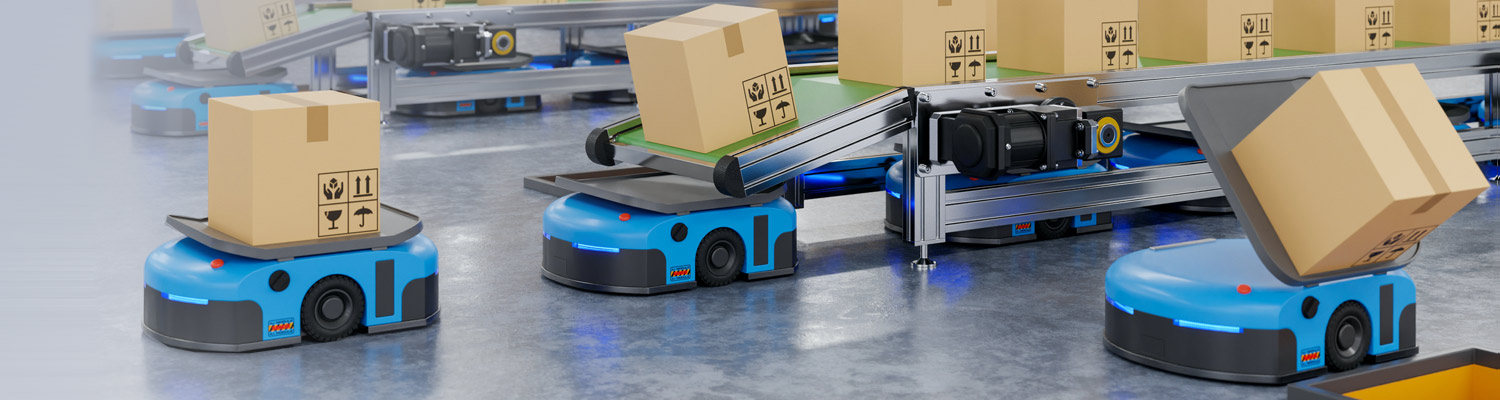
- Interaction and coordination: AMRs can communicate with elevators, automatic doors, conveyors, or other AMRs to complete complex transport tasks.
- Dynamic adjustment: When obstacles appear, the robot automatically reroutes without stopping operations.
3. Applications of Autonomous Mobile Robots (AMRs)
AMRs are increasingly used across various industries, especially in logistics and manufacturing.
In smart warehouses
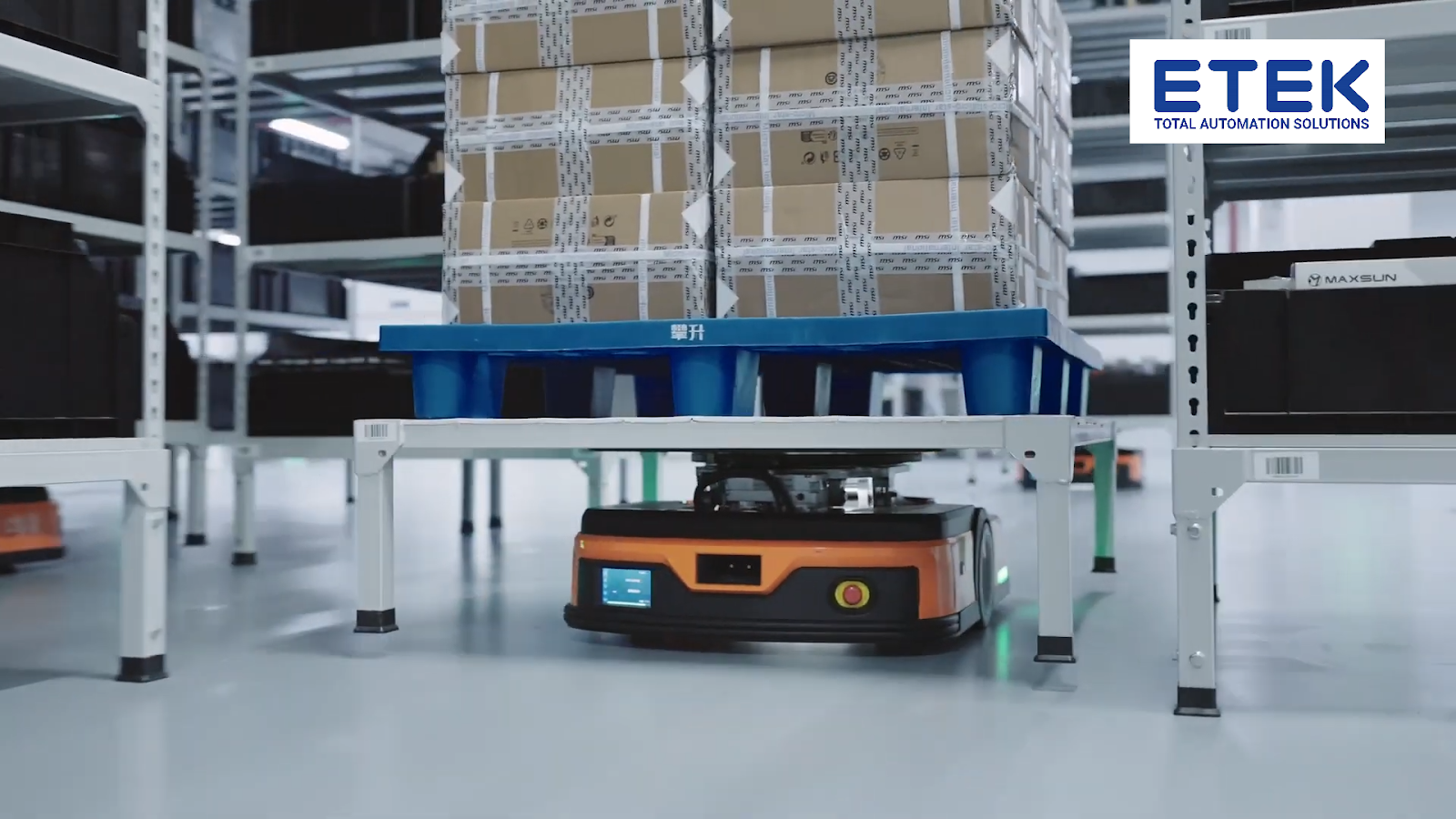
- Transport goods between zones without human control.
- Reduce congestion thanks to flexible navigation.
- Increase productivity while lowering operational costs.
In manufacturing plants
- Supply materials continuously to production lines.
- Assist in transporting heavy or hazardous components, reducing worker risk.
- Minimize material waiting time and optimize production flow.
In hospitals and healthcare
- Transport medications, samples, and medical supplies.
- Reduce workload for healthcare staff and improve efficiency.
- Limit direct contact, enhancing safety in medical environments.
4. Benefits of Using AMRs
- Labor cost savings: Reduce reliance on manual labor, especially for heavy or repetitive transport.
- Higher operational efficiency: AMRs operate 24/7 without fatigue and minimize human error.
- Scalability and flexibility: Easily expand the AMR fleet without major infrastructure changes.
- Improved workplace safety: Reduce accidents and exposure to hazardous materials.
- Smart integration: Seamlessly connect with WMS/ERP systems for optimized warehouse and transport management.
5. AMRs – A Key Automation Trend in Industry 4.0
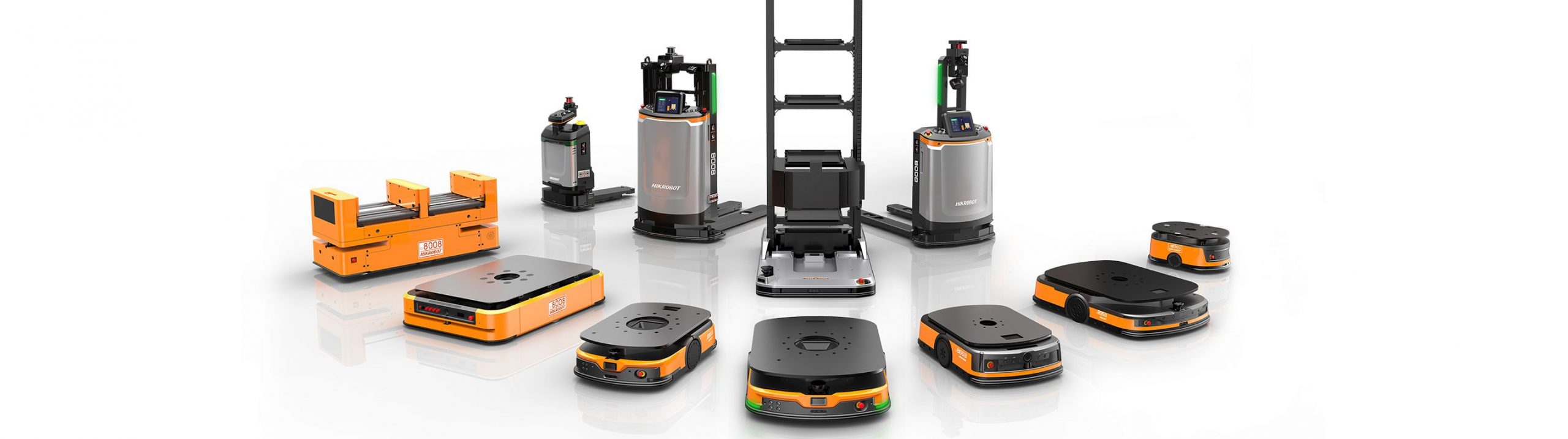
With the rapid development of Industry 4.0, AMRs have become a critical solution for enterprises aiming to:
- Optimize operational costs
- Enhance competitiveness
- Improve service speed and quality
Thanks to their ability to learn and adapt, AMRs allow businesses to expand and upgrade transportation systems without overhauling existing infrastructure.
6. Conclusion
Autonomous Mobile Robots (AMRs) are not only advanced technologies but also practical solutions that help enterprises optimize transportation and production processes. Implementing AMRs increases efficiency, reduces costs, enhances safety, and creates a strong competitive advantage in the increasingly demanding logistics and manufacturing markets.