CÔNG TY CỔ PHẦN GIẢI PHÁP TỰ ĐỘNG HÓA ETEK | ETEK INTRALOGISTICS



Enhancing Safety and Reducing Costs with Automated Pallet Conveyor Systems
As the logistics and manufacturing sectors continue to grow rapidly, operational efficiency and workplace safety have become top priorities. Pallet handling—a core link in the supply chain—is undergoing a major transformation as businesses increasingly adopt automation.
Automated pallet conveyor systems are at the heart of this shift, delivering superior reliability, cost efficiency, and optimal safety.
This article explores the challenges of traditional pallet handling methods and how automation solutions address these issues, becoming an indispensable part of modern operations.

Challenges of Traditional Pallet Handling Methods
For many years, pallet handling has relied heavily on manual labor. While effective in the past, this approach now faces significant limitations.
1. Labor shortages and rising labor costs
Skilled labor is declining globally, while wage costs continue to rise. This trend makes it increasingly difficult for companies to maintain operational performance and meet growing production and distribution demands. In response, ETEK has introduced innovative pallet-handling solutions:
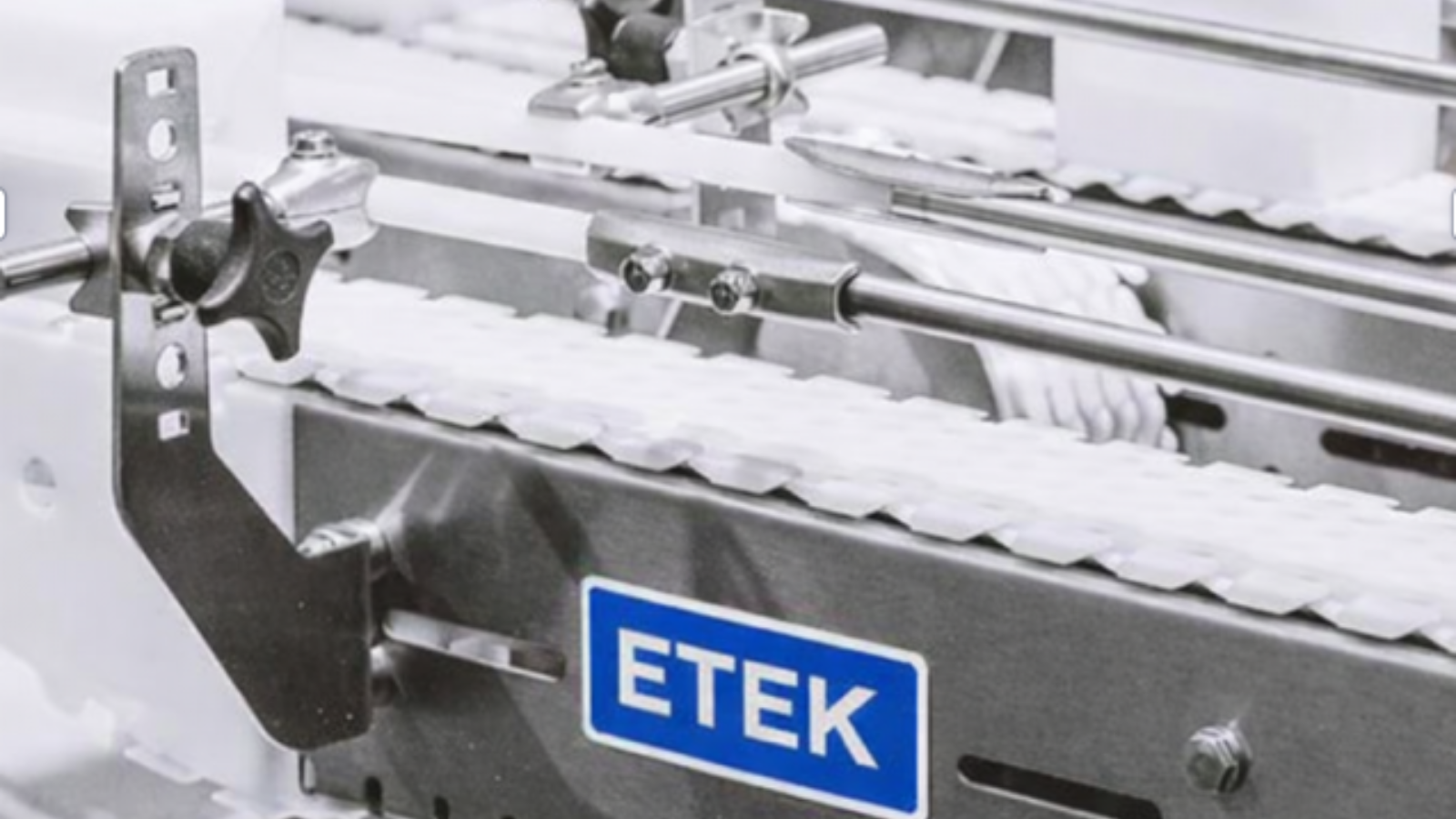
The Zero Pressure Accumulation (ZPA) solution enables precise, independent pallet positioning, improving conveying efficiency by up to 50% while reducing maintenance requirements. ZPA technology also delivers superior energy efficiency compared to traditional material-handling methods.
Tests show that SHC roller conveyors operating in ZPA mode can consume up to 90% less energy than belt conveyors of the same size.
2. Growing consumer demand
As the global population grows and economies expand, consumer demand continues to rise. Traditional systems often lack the speed and scalability required to keep up.
3. Safety risks in pallet handling
Manual handling of heavy pallets poses significant safety risks. Forklift operations and pallet movement in crowded warehouses increase the likelihood of accidents, directly threatening worker health and safety.
4. Sustainability pressure
Modern consumers and businesses increasingly prioritize energy efficiency and sustainability. Resource-intensive traditional methods no longer align with these expectations.
Automated Pallet Conveyor Systems: A Proven Solution
Automated pallet conveyor systems provide a comprehensive answer to these challenges, offering clear benefits that are reshaping logistics and manufacturing.
Improved safety and cost optimization
By minimizing direct human involvement in handling heavy pallets, automated systems significantly reduce workplace accidents. Technologies such as ZPA ensure optimal spacing between pallets, prevent collisions, and enhance overall safety.
Automation also delivers long-term cost benefits by reducing labor dependence, minimizing errors, and cutting downtime. Additionally, ZPA systems can reduce energy consumption by up to 50%, supporting corporate sustainability goals.
Increased throughput
Automated pallet conveyors operate faster and more consistently than manual handling. They ensure continuous, safe, and efficient pallet transport, meeting the increasing demands of modern warehouses and distribution centers.
Next-generation conveyor systems are designed to adapt to various operational models. Their modular design enables easy installation, integration, and expansion, ensuring long-term value as businesses grow.
Meeting the Core Requirements of Modern Operations
To successfully implement automation, companies must prioritize systems that meet key criteria. According to ETEK’s analysis, logistics managers focus on:
- Proven reliability: Durable systems with stable operation and minimal maintenance
- Fast, convenient installation: Pre-assembled solutions that reduce downtime during deployment
- High integration capability: Easy compatibility with existing infrastructure, supporting upgrades and expansion
- Sustainability and energy efficiency: Power-saving solutions like ZPA are increasingly essential amid rising energy costs
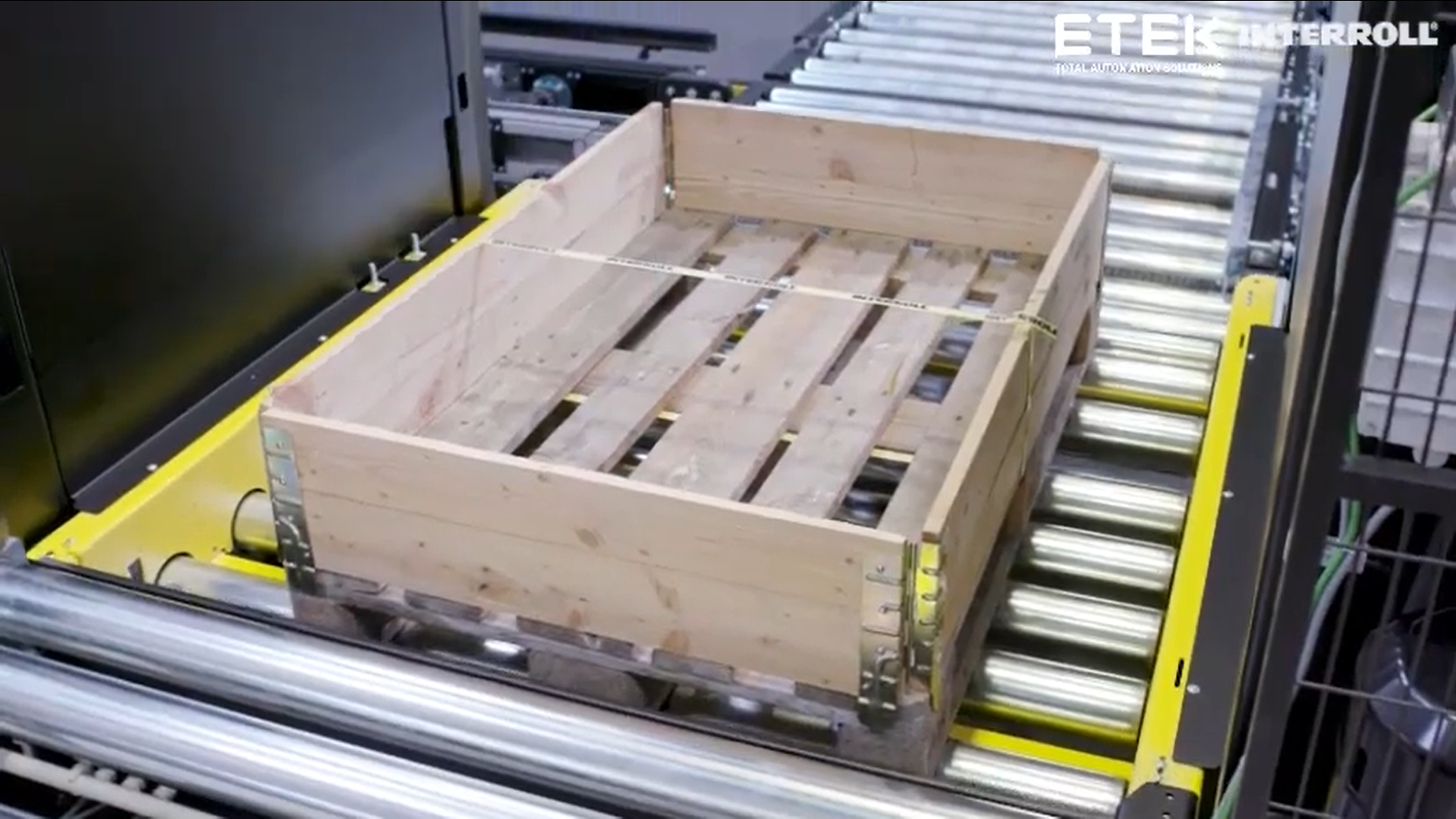
An Inevitable Step in Pallet Handling Automation
Investing in automated pallet conveyor systems is no longer an optional upgrade—it has become a necessity. These systems help businesses address labor shortages, meet market demand, and improve safety and sustainability.
By investing in proven, flexible, and scalable solutions, companies can future-proof their manufacturing and logistics operations and maintain a competitive edge in an ever-changing market.
If your goal is to maximize efficiency and minimize risk, automated pallet conveyor systems are the clear choice. Transform your operations today and unlock the full potential of automation.