CÔNG TY CỔ PHẦN GIẢI PHÁP TỰ ĐỘNG HÓA ETEK | ETEK INTRALOGISTICS


5 Steps to Successfully Implement a Pallet Handling Solution
This is a critical moment in any project. The business case has been solidly built, the pre-implementation phase is complete, and stakeholder roles have been defined. So—what comes next?
When it comes to installing a new automated pallet handling solution, the answer isn’t always clear. Planning, installing, and commissioning conveyor systems can be complex and challenging, involving multiple stakeholders, numerous options at each stage, and often very tight timelines.
For example: Who will design and install the new system? Will it fit within the existing facility layout? How can delays be avoided? And who will be responsible for maintenance once the system is operational?
While every project has its own unique requirements, there are common principles that help ensure the successful deployment of an automated pallet handling solution. This article outlines the full process, highlights challenges at each stage, and provides practical guidance to address them.
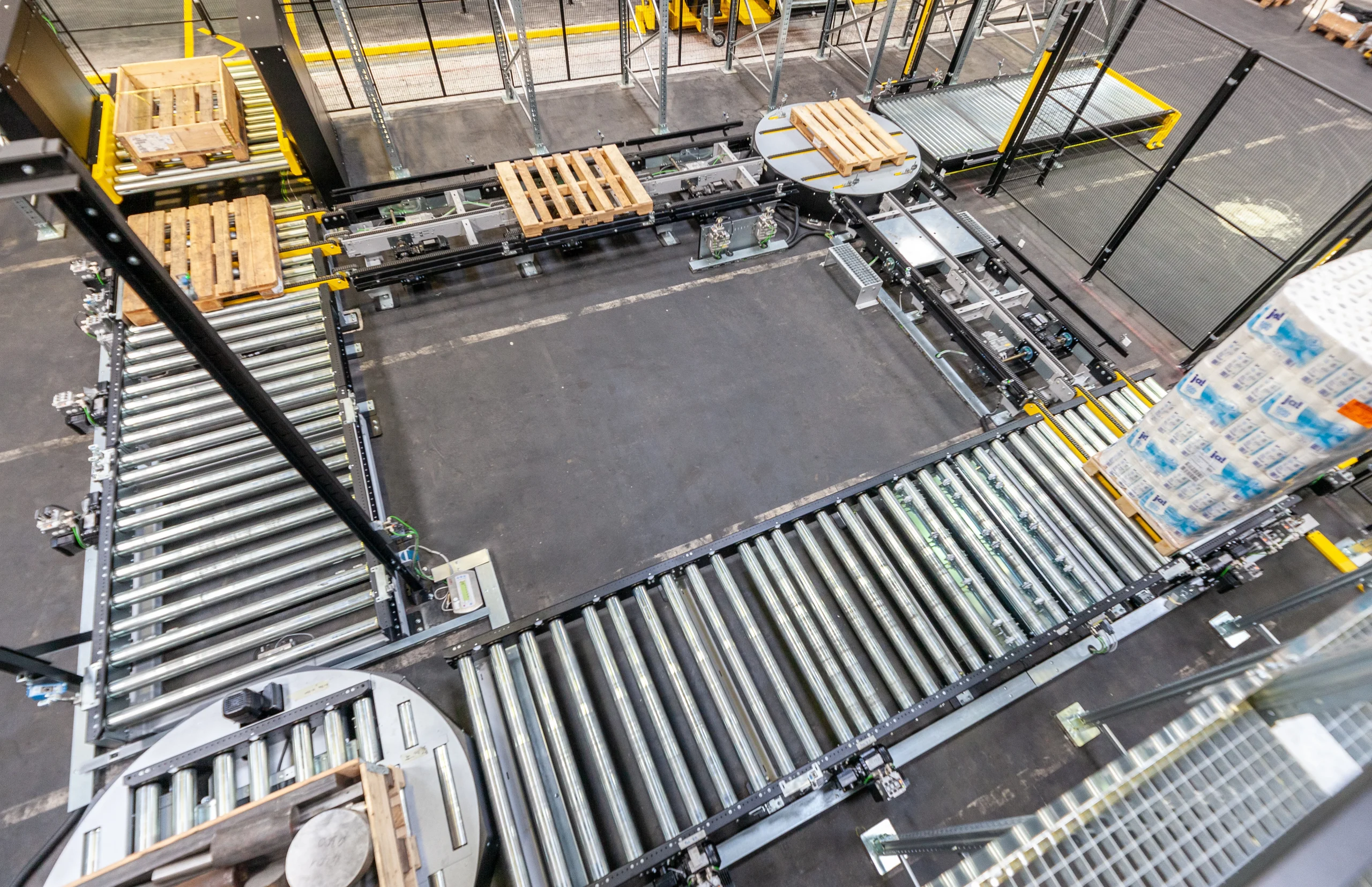
Implementation Stages: From Planning to Full Operation
After completing the pre-implementation phase, most automated pallet handling projects can be divided into 5 key stages:
1. Assessment & Planning
In the initial stage, the end user (the system owner) must clearly define their requirements. Key considerations include pallet dimensions, throughput requirements, available installation space, and whether integration with other systems—such as scanners—is needed.
The biggest challenge is selecting the right solution that fully meets operational needs and suits the specific application. Early engagement with the manufacturer (such as ETEK) or a system integrator (SI) helps clarify options and identify potential risks before they become issues.
2. Design & Engineering
This phase focuses on defining the optimal pallet handling solution. Typically, the end user’s system integrator is responsible for the design, using commercial AutoCAD software or manufacturer-provided CAD tools to create a 3D model of the conveyor system.
Getting the design right from the start is critical, as drawing errors are one of the leading causes of project delays. Since designs must be approved before production begins, even small mistakes can result in unusable components. Using manufacturer-approved CAD software significantly reduces these risks.
3. Manufacturing & Installation
Next comes finalizing the production schedule. Lead times can range from several weeks to over a year, depending on project scope. Once manufacturing is complete, components are often delivered directly to the end user’s facility, where the system integrator is responsible for installation and final assembly.
The biggest risk at this stage is installation delays. Complex systems may require large on-site teams, extending installation time and disrupting other factory operations—leading to increased costs and production downtime. Working with experienced, reputable system integrators and manufacturers with strong project management capabilities helps minimize these disruptions.
4. Testing & Training
After installation, the system must undergo comprehensive testing, and personnel must be trained to operate it. The system integrator typically conducts testing to ensure the system performs correctly and meets all technical and safety requirements. Training may be provided by either the system integrator or the manufacturer.
Common challenges include initial issues during commissioning. Mechanical, electrical, or operational problems must be resolved quickly to avoid delaying the official go-live date. Choosing proven, modular systems helps reduce the likelihood of issues—or at least makes them easier to anticipate and resolve.
5. Operation & Optimization
Once the system is live, maintenance is usually handled by the system integrator or the manufacturer. This may involve having technicians on-site for a defined period or providing long-term support. In some cases, experienced end users may choose to manage maintenance internally.
A lack of long-term reliability or comprehensive service agreements can expose businesses to costly downtime. For this reason, end users should establish strong, long-term service contracts with their system integrator or manufacturer to ensure fast and reliable after-sales support.
What’s Next?
Automated pallet handling solutions offer significant advantages over manual methods, including improved efficiency and safety, reduced energy consumption, lower labor requirements, and decreased operating costs. However, implementing these systems is far from simple.
By proactively addressing common bottlenecks early in the process, logistics businesses can avoid delays and ensure a smooth implementation. With extensive experience and proven pallet handling solutions, ETEK is ideally positioned to support companies throughout this journey.
Bài Viết Liên Quan
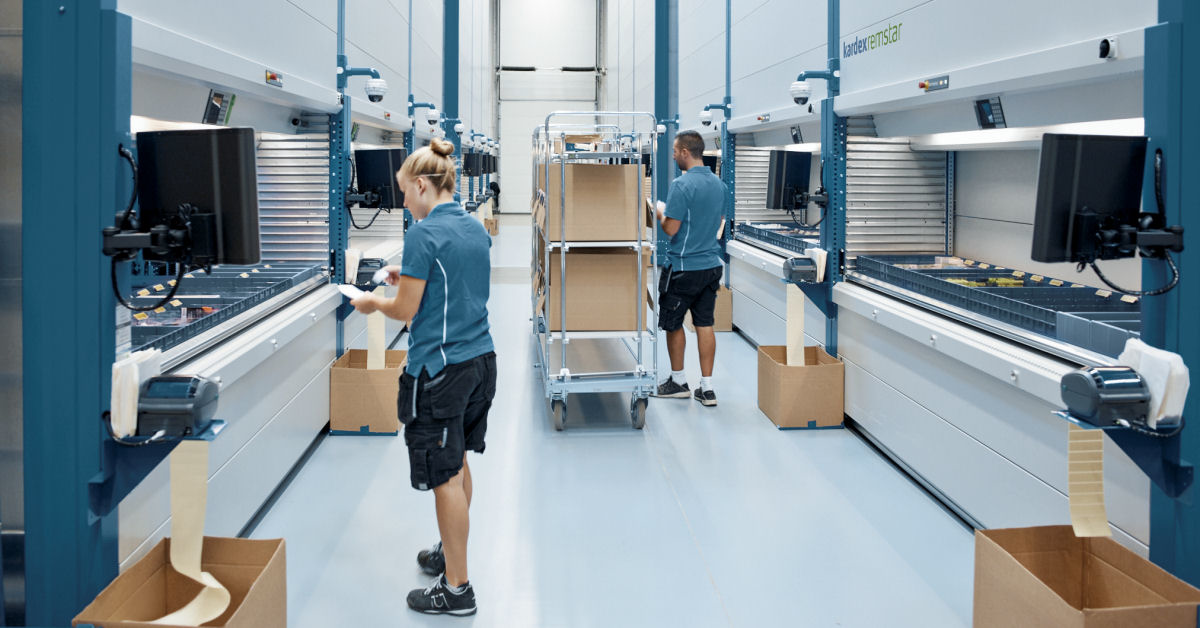
Kardex Automated Warehouse Solution for E-commerce and Retail
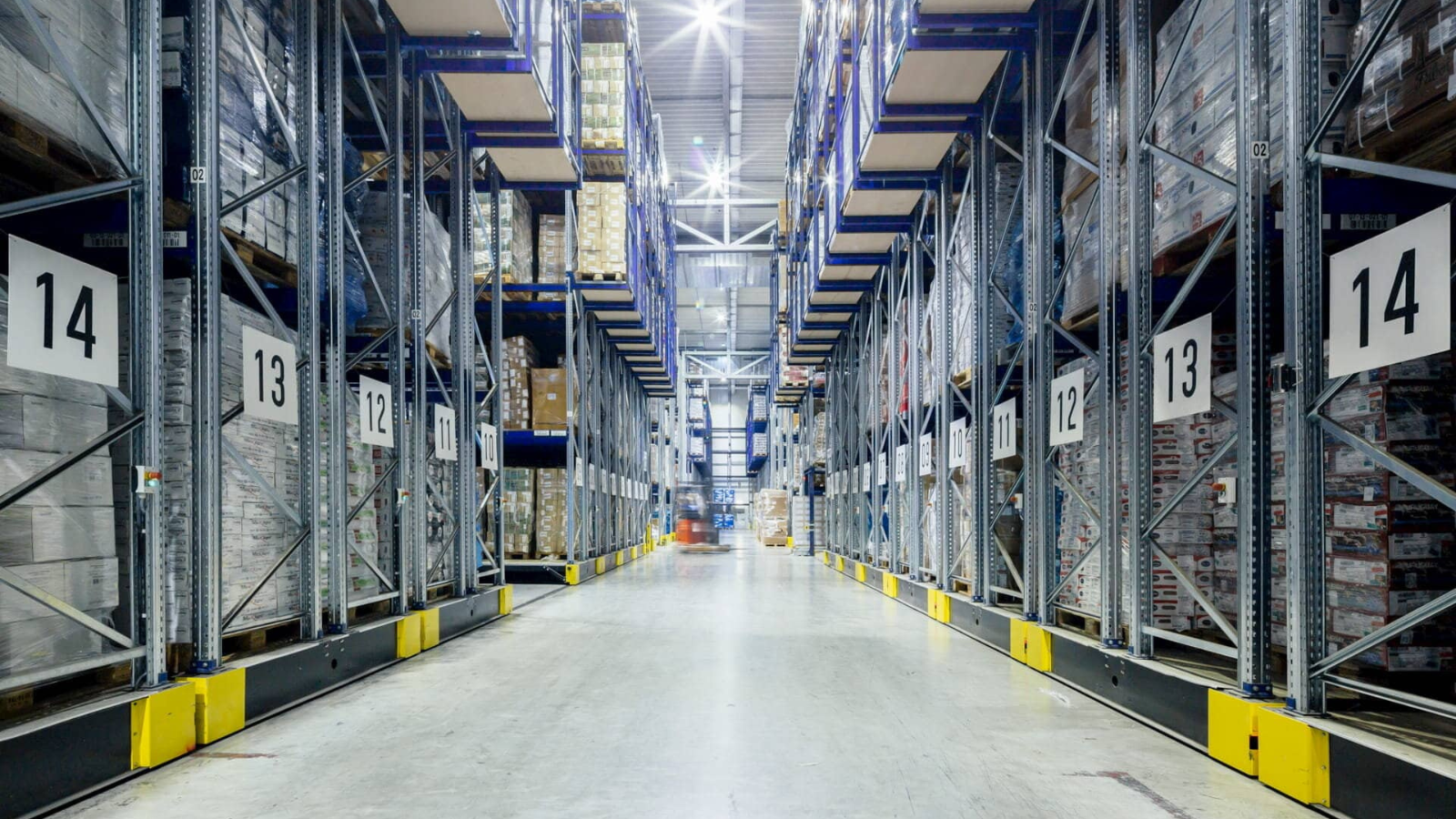
AMR Solutions for Cold Storage Warehouses – Optimizing Modern Cold Chain Intralogistics
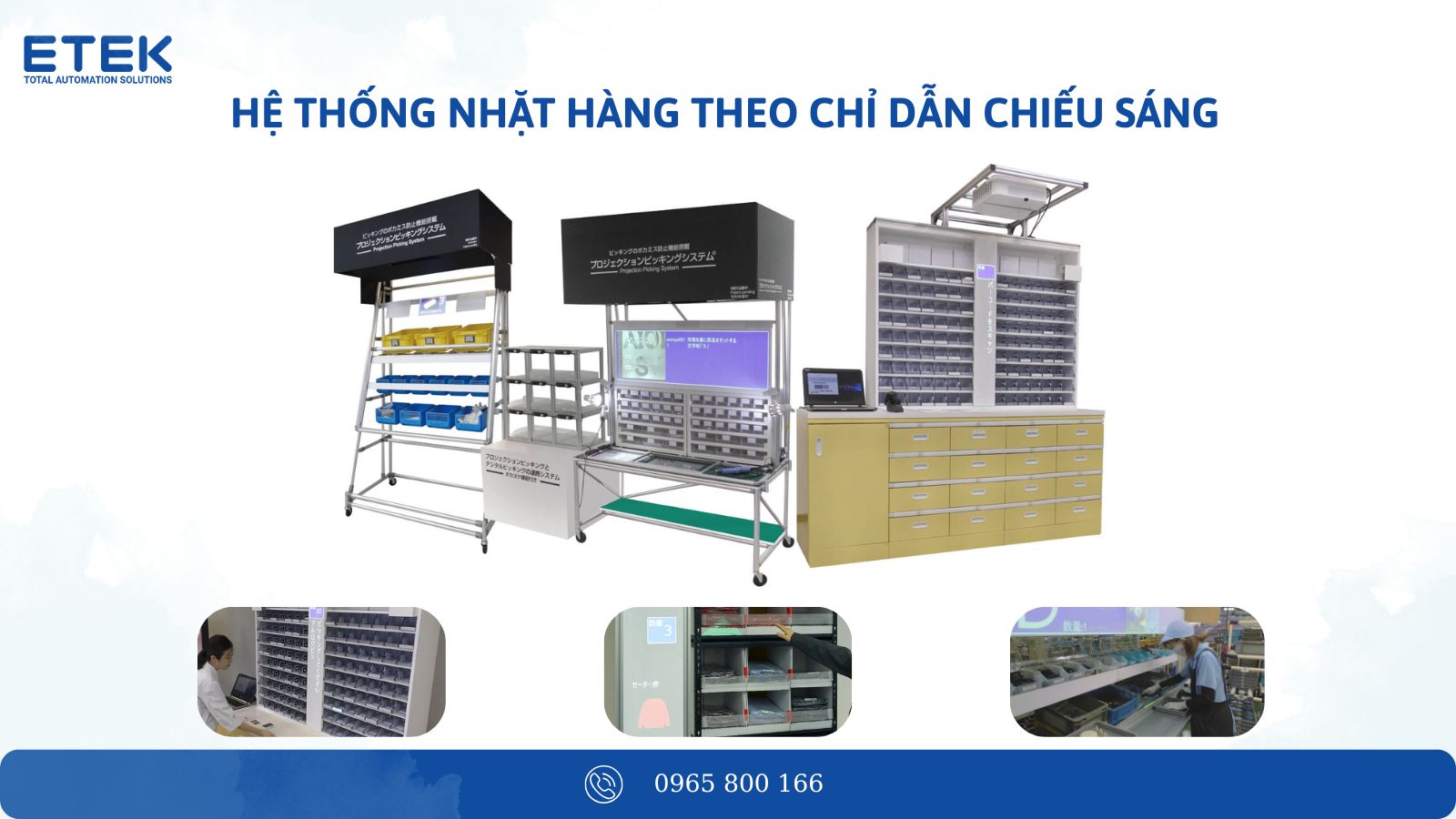
Projection Picking System (PPS) – A Smart, Paperless and Error-Free Picking Solution