CÔNG TY CỔ PHẦN GIẢI PHÁP TỰ ĐỘNG HÓA ETEK | ETEK INTRALOGISTICS


AMR Solutions for Cold Storage Warehouses – Optimizing Modern Cold Chain Intralogistics
AMR Solutions for Cold Storage Warehouses – Optimizing Modern Cold Chain Intralogistics
As supply chains continue to expand and product quality requirements become increasingly stringent, cold storage logistics has emerged as a critical link for many manufacturing and distribution industries. However, operating traditional cold warehouses presents significant challenges, including low-temperature environments, high labor costs, workplace safety risks, and difficulties in maintaining operational efficiency.
As a result, Autonomous Mobile Robots (AMRs) are gradually becoming the optimal solution for automating intralogistics, ensuring stable, efficient, and sustainable operations in low-temperature environments.
Challenges of Traditional Cold Chain Intralogistics
Cold chain intralogistics encompasses all internal transportation, storage, and material handling activities within cold storage warehouses and production facilities. These operations are directly affected by low temperatures, high humidity, and strict control requirements.
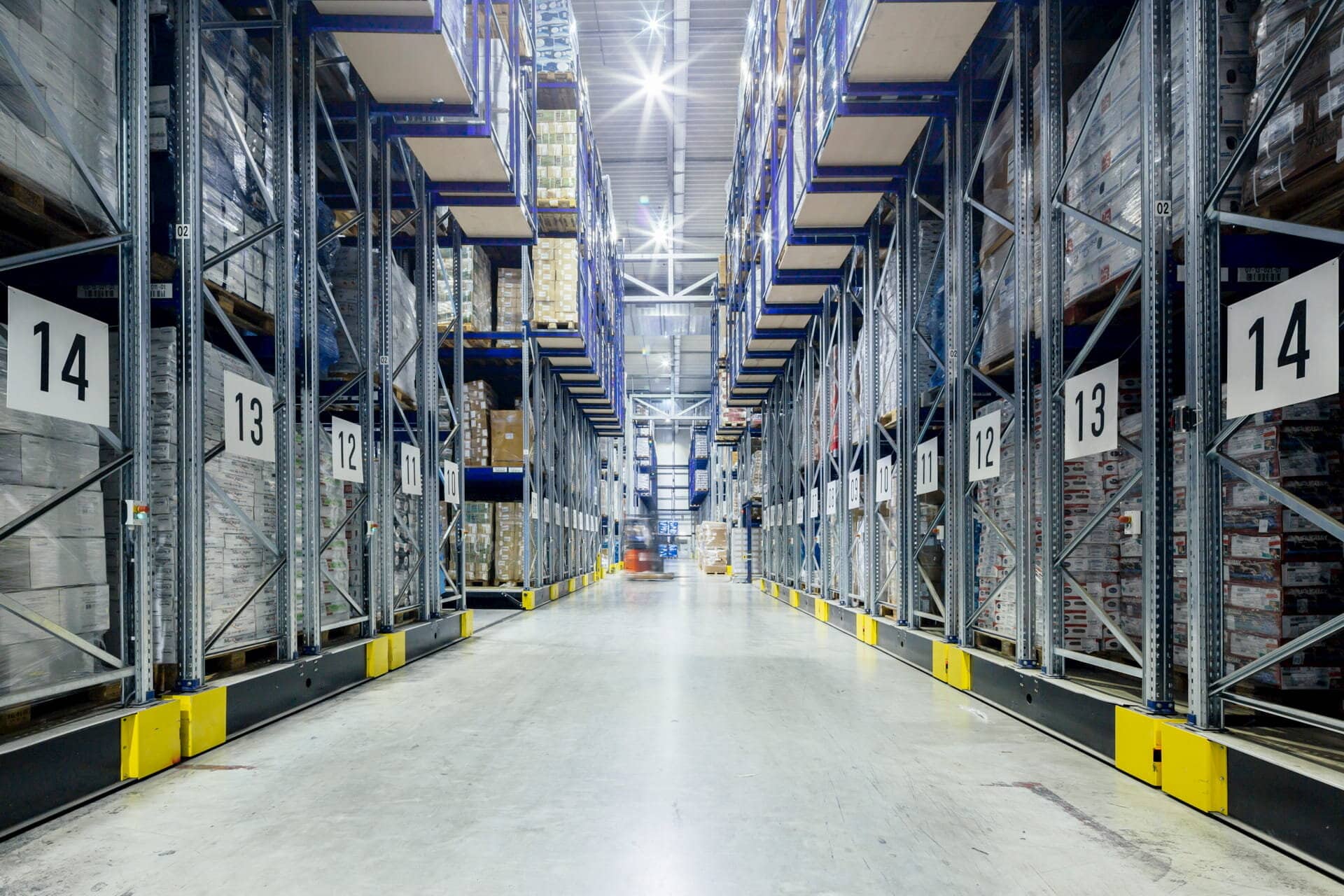
Key challenges include:
- First, low temperatures significantly impact workers’ health, making it difficult for businesses to retain labor for long-term operations in cold storage, especially during night shifts or deep-freeze environments.
- Second, traditional equipment such as forklifts and conventional conveyors often experience reduced performance, battery degradation, or operational failures when operating continuously below 0°C.
- Third, heavy reliance on manual labor leads to unstable intralogistics operations, limited scalability, and a higher risk of internal transportation errors.
These challenges are driving enterprises to adopt robots and intelligent automation solutions to replace traditional operating models.
What Are Cold Storage AMRs and Why Are They an Inevitable Trend?
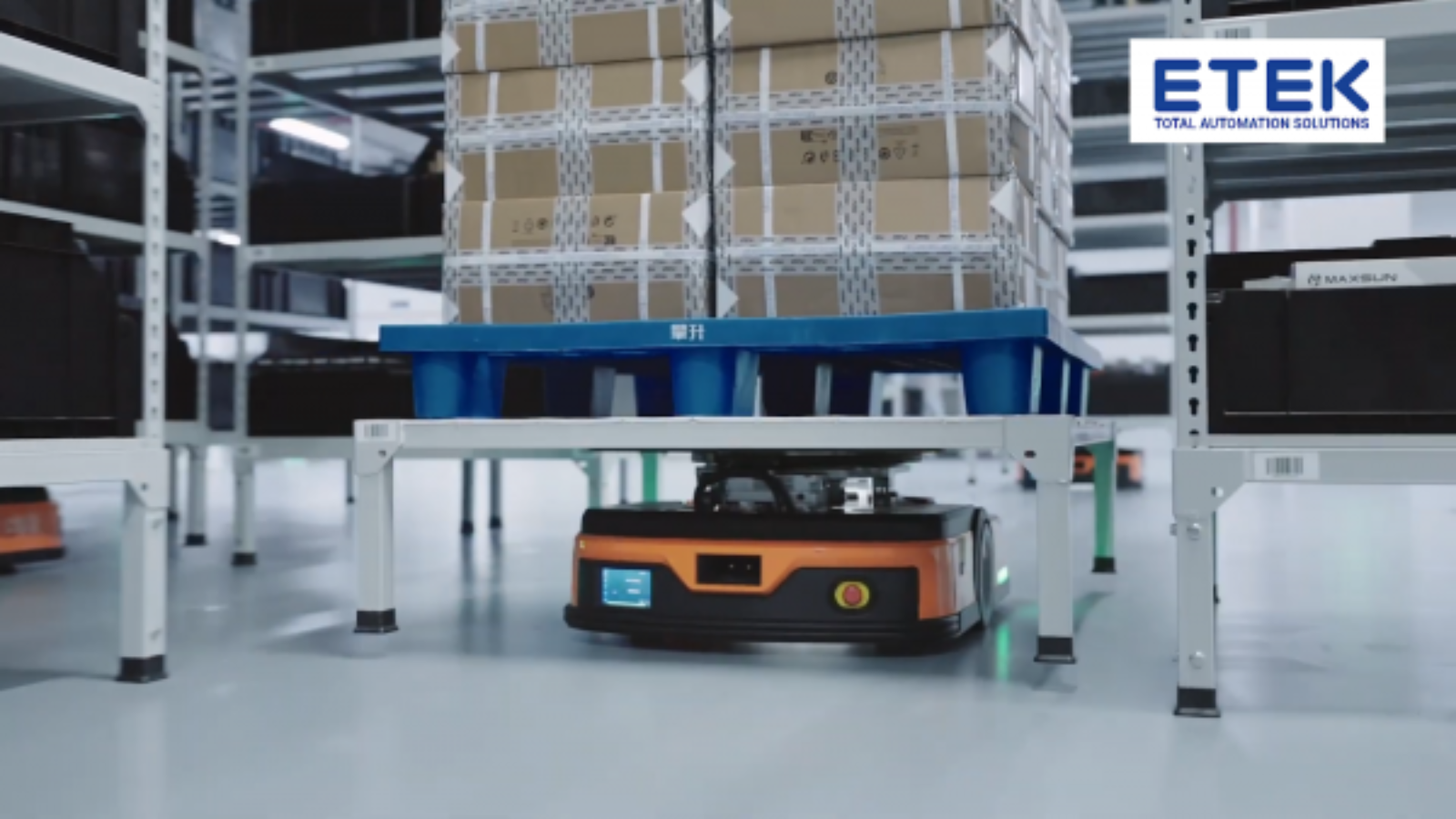
- Cold storage AMRs are autonomous mobile robots specifically designed to operate in cold and deep-freeze warehouse environments. Unlike traditional AGVs, AMRs use intelligent navigation technologies, advanced sensors, and sophisticated control software to autonomously plan routes, avoid obstacles, and adapt flexibly to dynamic layouts.
In cold chain intralogistics, AMRs play a central role by:
- Transporting pallets, cartons, and totes between storage, packing, and shipping areas
- Connecting warehouse processes into a seamless, automated workflow
- Reducing human intervention in low-temperature environments
With stable operation at temperatures as low as -20°C, AMRs have become an inevitable trend in digital transformation and logistics automation strategies.
Autonomous Robot Solutions for Cold Chain Intralogistics
AMR solutions for cold storage warehouses are developed to meet the most demanding cold environment requirements. These systems are fully integrated from hardware to software to ensure durability, accuracy, and continuous operation.
Reliable Operation in Low-Temperature Environments
Cold storage AMRs are optimized for long-term operation in sub-zero temperatures without performance degradation. Electronic components, motors, and control systems are carefully selected to withstand harsh cold storage conditions.
Cold-Resistant Battery and Charging Systems
Battery performance is one of the biggest challenges for robots operating in cold environments. Hikrobot’s AMR solutions use specially designed batteries and charging systems that ensure safe, stable charging and discharging even at low temperatures. This enables 24/7 robot operation without interrupting intralogistics flows.
Intelligent Navigation and Flexible Operation
Hikrobot AMRs utilize advanced navigation technologies that allow robots to recognize their environment, avoid obstacles, and optimize travel routes automatically. This is especially critical in cold storage warehouses, where layouts frequently change based on storage demands.
Optimizing the Entire Cold Chain Intralogistics with AMRs
Deploying AMRs in cold storage is not simply about replacing labor with robots—it involves restructuring the entire cold chain intralogistics system.
Cold storage robots can handle tasks such as:
- Transporting goods from inbound areas to storage locations
- Transferring goods between zones within the cold warehouse
- Supplying goods to packing or production areas
- Delivering finished goods to outbound or dispatch areas
All activities are centrally managed through a control system, enabling businesses to monitor, analyze, and optimize operational performance in real time.
Learn more about AGV/AMR solutions: HERE
Applications of AMRs in Cold Storage Warehouses
Thanks to their stable and flexible operation, cold storage robots are widely applied across various industries.
- In the frozen food industry, AMRs ensure fast handling speeds and minimize product exposure to external environments, helping preserve product quality and freshness.
- In the pharmaceutical industry, cold chain intralogistics requires high accuracy and safety. Cold storage AMRs reduce the risk of errors while ensuring goods are transported according to strict temperature and compliance requirements.
- In addition, cold storage robots are widely used in cold chain logistics centers, distribution warehouses, and other industries with specialized storage requirements.
Benefits of Implementing AMRs in Cold Storage
Deploying AMRs in cold storage warehouses delivers tangible benefits for enterprises.
Businesses can significantly increase intralogistics efficiency, reduce labor costs, and minimize dependence on human workers in harsh environments. Cold storage robots also enhance workplace safety by reducing accidents and operational errors.
More importantly, AMRs help ensure cold chain stability, maintaining product quality and protecting brand reputation in the market.
Bài Viết Liên Quan
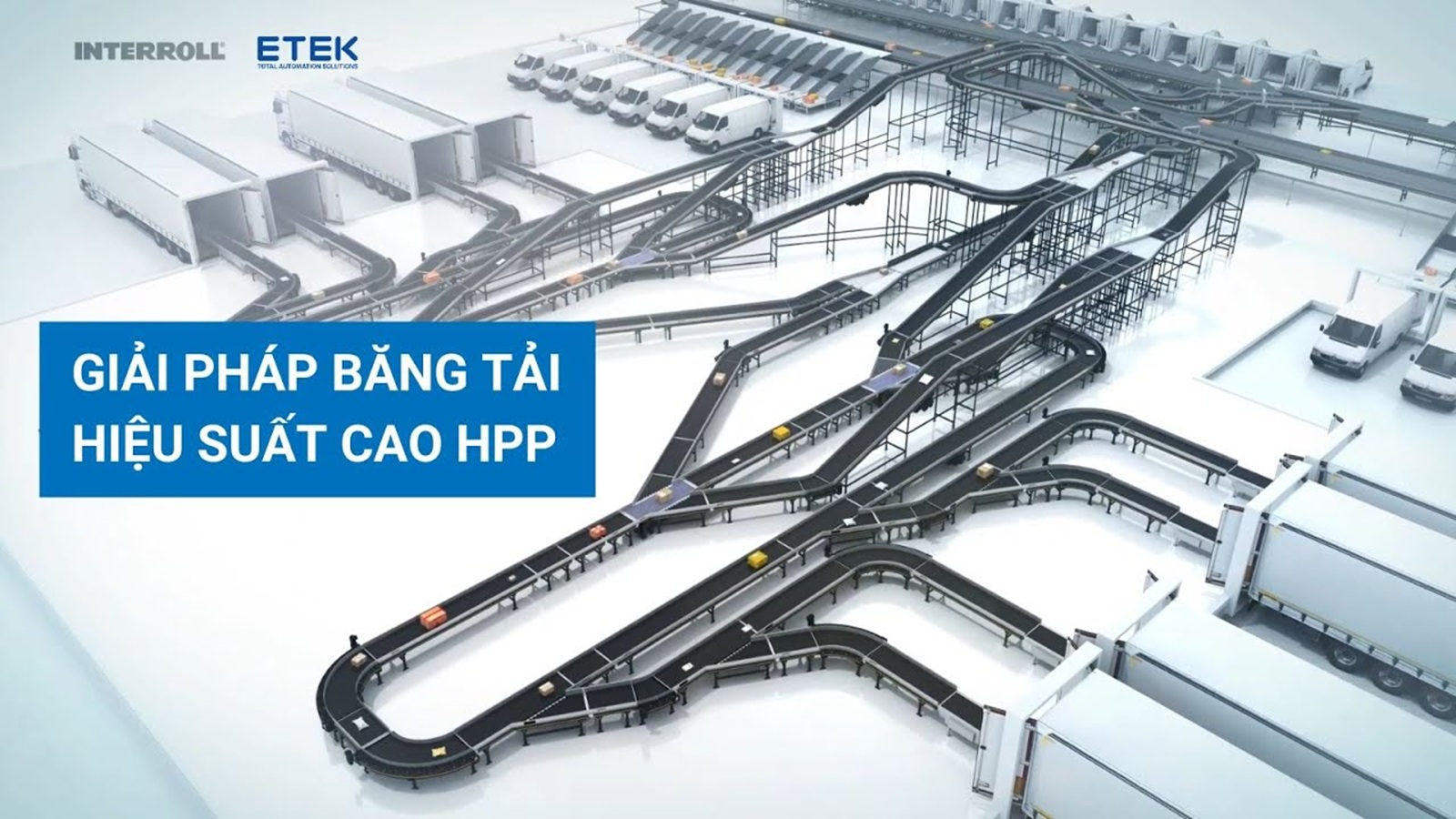
High-Performance HPP Conveyor Solutions for Logistics and CEP Industries
Autonomous Mobile Robots (AMRs) – Smart Transportation Solutions for Modern Enterprises
Smart ASRS Warehouses – An Inevitable Trend in Supply Chain Optimization