CÔNG TY CỔ PHẦN GIẢI PHÁP TỰ ĐỘNG HÓA ETEK | ETEK INTRALOGISTICS



Conveyor Technology for Packaged Food: 6 Expert Tips to Optimize Energy Efficiency
In high-speed food processing environments, even minor inefficiencies can quickly turn into significant cost burdens. One often-overlooked factor is hidden “energy leakage points” within conveyor systems. Identifying these inefficiencies is the first step toward optimizing energy consumption.
In this article, we highlight the main causes of energy loss and share six expert tips to eliminate them while improving overall operational performance.
Tip 1: Identify hidden energy drains in conveyor systems
Start by analyzing energy consumption. Conveyor systems that run continuously—even when no products are present—can significantly increase electricity costs. Idle running not only wastes energy but also accelerates equipment wear, leading to higher maintenance expenses.
By applying run-on-demand technology—where conveyors operate only when products are present—companies can substantially reduce unnecessary energy use.
Another source of energy loss comes from outdated or over-engineered cabling and connections that require specialized technicians for maintenance. These components can increase electrical resistance and energy consumption. Switching to modern, high-efficiency cabling solutions helps reduce losses and improve overall energy efficiency.
Tip 2: Leverage modular conveyor design for flexibility and efficiency
Flexibility in conveyor system design is essential to maintaining efficiency, especially as production demands frequently change. Traditional conveyor systems often lack adaptability, making it difficult to handle new products or volume changes without costly downtime.
Modular conveyors solve this challenge. Built from standardized, pre-assembled modules, they allow easy addition, removal, or reconfiguration. Modular designs often feature plug-and-play motor and control connections, enabling fast and simple integration of new components.
As a result, businesses not only improve operational efficiency but also future-proof their production lines to seize new market opportunities.
Tip 3: Apply intelligent control systems to optimize performance
Automation and intelligent control systems are transforming the food processing industry, delivering clear benefits in energy efficiency and overall performance. Traditional conveyors typically operate independently, lacking the coordination needed for optimal operation.
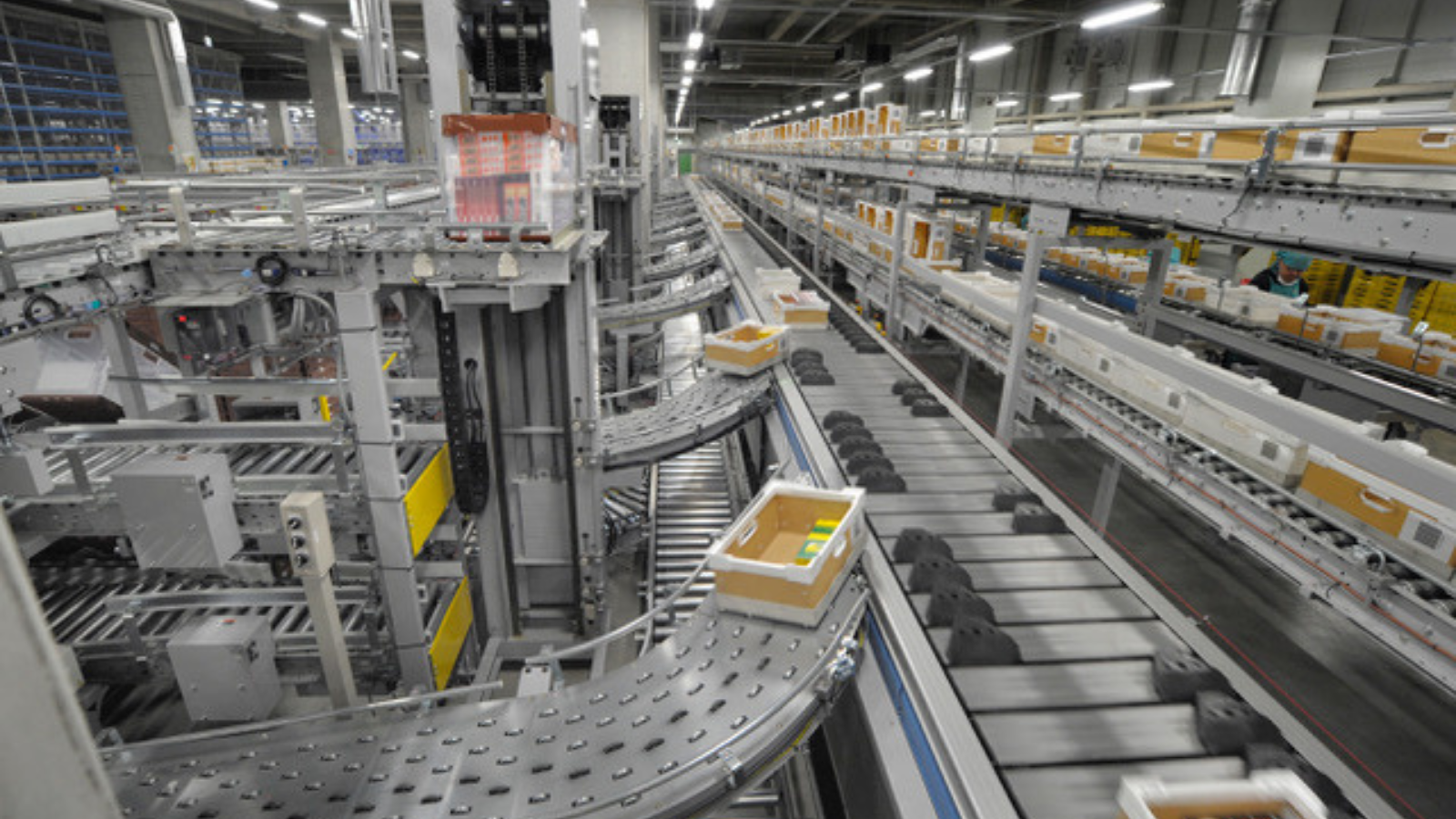
Smart control systems—such as Zero Pressure Accumulation (ZPA)—address this by dividing conveyors into zones, each with its own motor and sensors.
Integrating intelligent control systems enables:
- System-wide synchronized operation
- Optimized energy consumption
- Improved product quality through reduced handling errors and collisions
Tip 4: Optimize conveyor maintenance to reduce energy consumption
Effective maintenance is critical for optimal conveyor performance. Regular servicing helps detect issues early, minimize downtime, and reduce energy waste. However, traditional maintenance methods often require specialized skills and can result in prolonged system stoppages.
Decentralized drive systems allow fast, localized maintenance: if one zone fails, it can be replaced without impacting the entire conveyor line.
In addition, predictive maintenance technology monitors component conditions in real time and provides alerts when servicing is needed, ensuring the system consistently operates at peak efficiency.
Tip 5: Maintain product integrity to minimize energy waste
Preserving product integrity is essential for reducing waste and improving energy efficiency in food processing. Damaged products often require reprocessing or disposal, consuming additional energy and increasing costs.
Smart technologies such as ZPA ensure gentle and efficient product handling by synchronizing speeds and movements at each stage of the line. This minimizes damage, reduces waste, and enables more efficient energy use.
Tip 6: Enhance workplace safety to improve overall energy efficiency
Although often underestimated, workplace safety plays a vital role in the energy efficiency of food processing facilities. Unsafe working conditions can lead to accidents, production disruptions, and increased energy consumption.
Conveyor designs that prioritize safety—such as low-voltage systems (24V DC) reduce electrical risks and simplify maintenance. Hygienic features like smooth stainless-steel surfaces and enclosed drives prevent contamination, reduce cleaning frequency, and minimize downtime—ultimately saving energy.
Start streamlining your food packaging line
Applying these six expert tips can significantly improve energy efficiency in food processing and packaging operations. From identifying energy loss points and adopting modular designs to implementing intelligent control systems, each solution provides practical steps to optimize conveyor performance and reduce energy costs.