CÔNG TY CỔ PHẦN GIẢI PHÁP TỰ ĐỘNG HÓA ETEK | ETEK INTRALOGISTICS


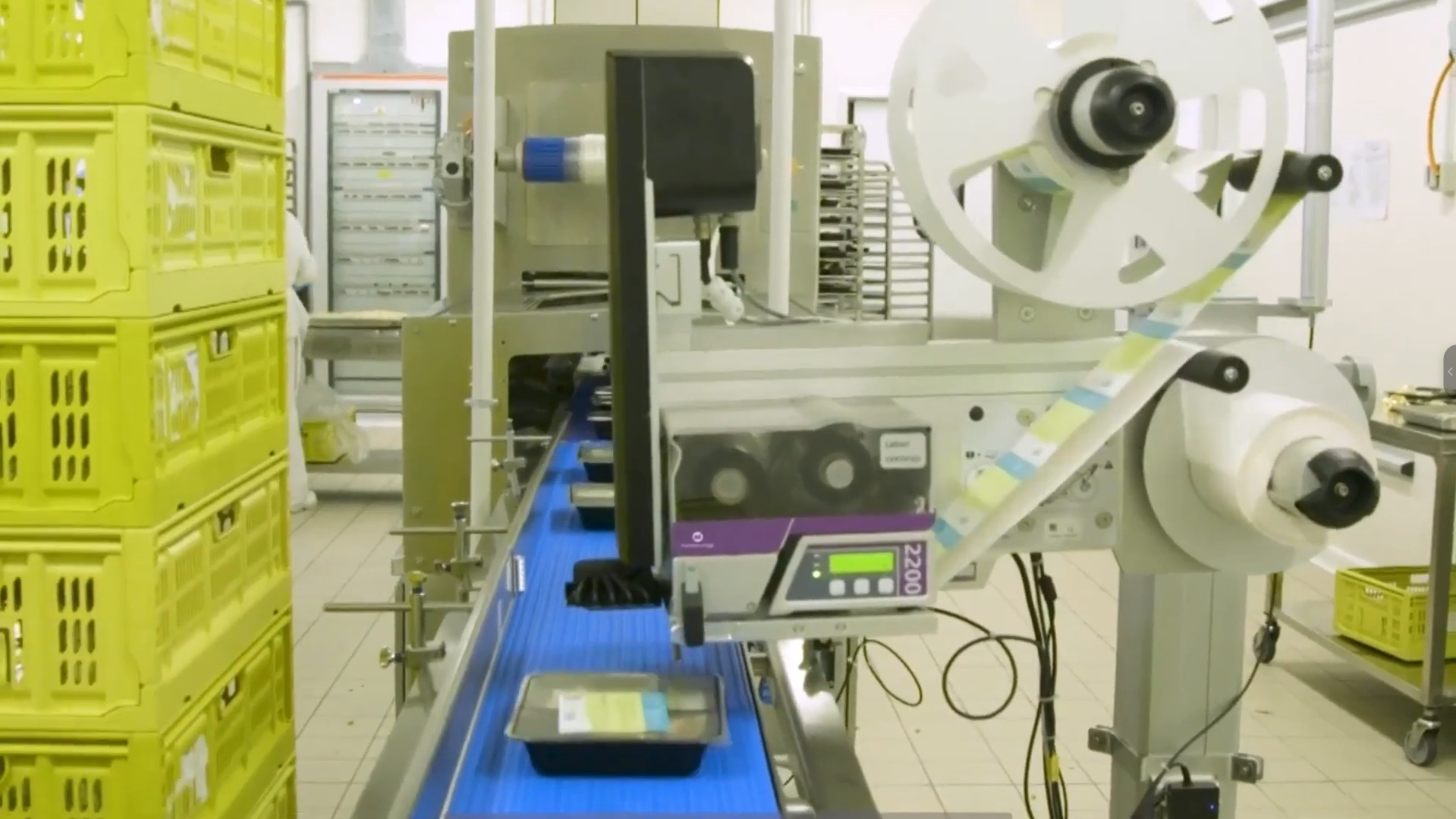
Markem-Imaje 2200 Label Printer & Applicator for the Food Industry
In the food manufacturing industry, companies are placing increasing emphasis on product information accuracy and compliance with food safety standards.
Along with the rapid development of automation, label printing and application systems have become an essential component of modern packaging lines. These systems help control expiration dates, support product traceability, and optimize operational costs for manufacturers.
The Role of Label Printing & Application in Food Production Lines
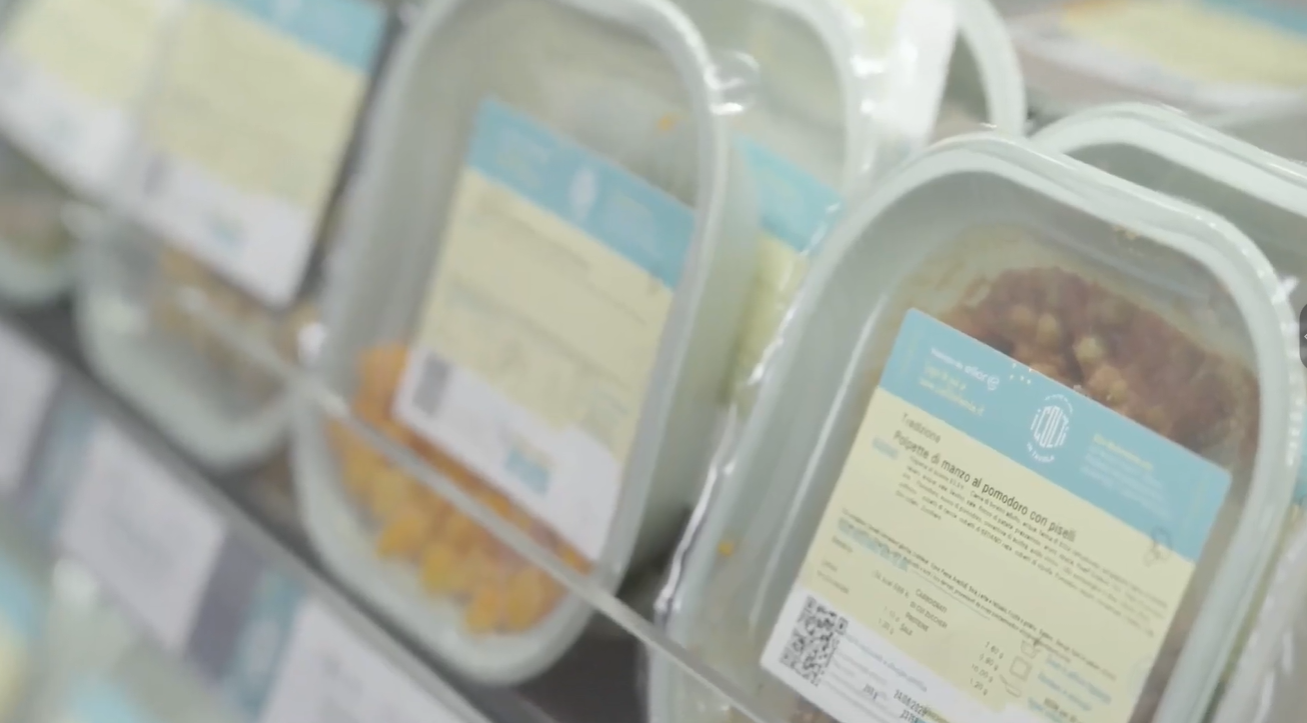
In food manufacturing environments, every product must be labeled with:
- Ingredient information
- Product name
- Expiration date
- Traceability codes
- Accurate barcodes / QR codes
Manual labeling not only slows down production but also increases the risk of errors. Automated label printing and application systems ensure consistent, accurate labeling across all products while minimizing waste and production losses.
How the Markem-Imaje 2200 Operates in Food Packaging Lines
– In food production lines, the label printer & applicator acts as a centralized information processing unit for the entire packaging stage.
– Product data such as item name, batch number, expiration date, and traceability codes are synchronized in real time from the manufacturing management system and transmitted directly to the printer.
– When products reach the labeling station, the system automatically prints the correct information and securely applies the label to the packaging.
– This process runs continuously and reliably, with minimal errors, enabling better control of output quality.
Automation Solution with CoLOS
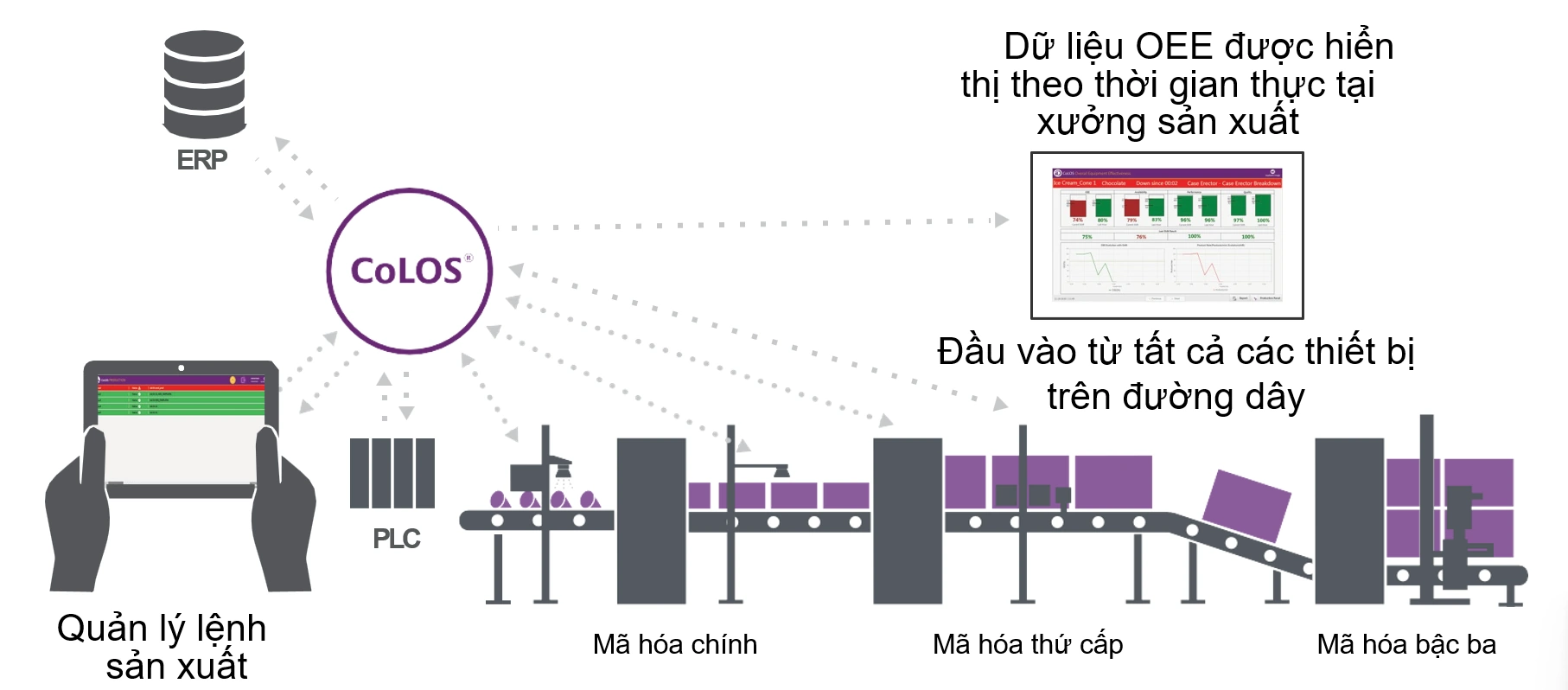
At the production center, all labeling operations are automatically controlled via the CoLOS system. CoLOS enables:
- Real-time production monitoring
- Continuous product data updates
- Assurance that all printed labels are accurate and compliant
When combined with RFID technology and automated printing modules such as the Print & Apply 2200, the system can encode, print, and apply labels efficiently, meeting the strict requirements of the food industry
Applications in the Food Industry
Food manufacturers in sectors such as beverages, processed foods, and canned goods require strict packaging processes to:
- Comply with food safety regulations
- Track expiration dates
- Enable fast and accurate traceability when needed
Deploying label printers integrated with CoLOS automation and RFID creates a high-quality packaging process while minimizing material waste.
Flexible Print & Apply Solutions from ETEK
ETEK provides the Print & Apply 2200 labeling solution tailored to various food production lines, from medium to large-scale operations. The solution helps businesses:
Customize systems to specific production needs
- Improve printing accuracy
- Reduce manual operations
- Increase overall operational efficiency
Benefits of Label Printing & Application Systems in the Food Industry
Increased Productivity
Automated labeling reduces manual handling time, increases output, and ensures consistent quality. Integrated automation further optimizes production workflows.
Reduced Operational Errors
Automation minimizes barcode and identification errors, ensuring accurate product information—especially in high-speed production environments.
Optimized Operating Costs
Automated labeling reduces labor requirements, material waste, and defective products, helping businesses lower costs and improve profitability.
Easy Integration with Existing Lines
Automated label printers can be flexibly integrated into existing food packaging lines without disrupting current operations.
Conclusion
Label printing and application systems are a critical component of modern automated packaging lines. With the Markem-Imaje 2200, manufacturers gain a durable, high-performance solution that integrates seamlessly into overall production systems.
Investing in the right labeling equipment helps increase productivity, reduce errors, and enhance packaging quality—enabling businesses to stay competitive in today’s demanding manufacturing environment.