CÔNG TY CỔ PHẦN GIẢI PHÁP TỰ ĐỘNG HÓA ETEK | ETEK INTRALOGISTICS


Smart ASRS Warehouse System for Tooling, Dies, and Molds Storage
As manufacturing shifts toward higher product variety with smaller batch sizes, factories are forced to perform frequent tool and die changeovers. Each changeover can become time-consuming if tools, stamping dies, or molds are not properly prepared, lack fixed storage locations, or are difficult to handle.
That is why a well-organized and efficient tooling storage system is no longer optional—it is essential. Whether you manage stamping dies, injection molds, or specialized tooling sets, you need a solution that enables fast, accurate, safe positioning, retrieval, movement, and changeover of tools.
Automated Storage and Retrieval Systems (ASRS) provide a modern answer to this challenge. By utilizing vertical space and organizing tooling vertically, companies can save up to 85% of floor space, improve workplace safety, reduce machine downtime, and keep production lines operating at peak efficiency.

Vertical ASRS Tool Storage – Optimizing Space and Handling Efficiency
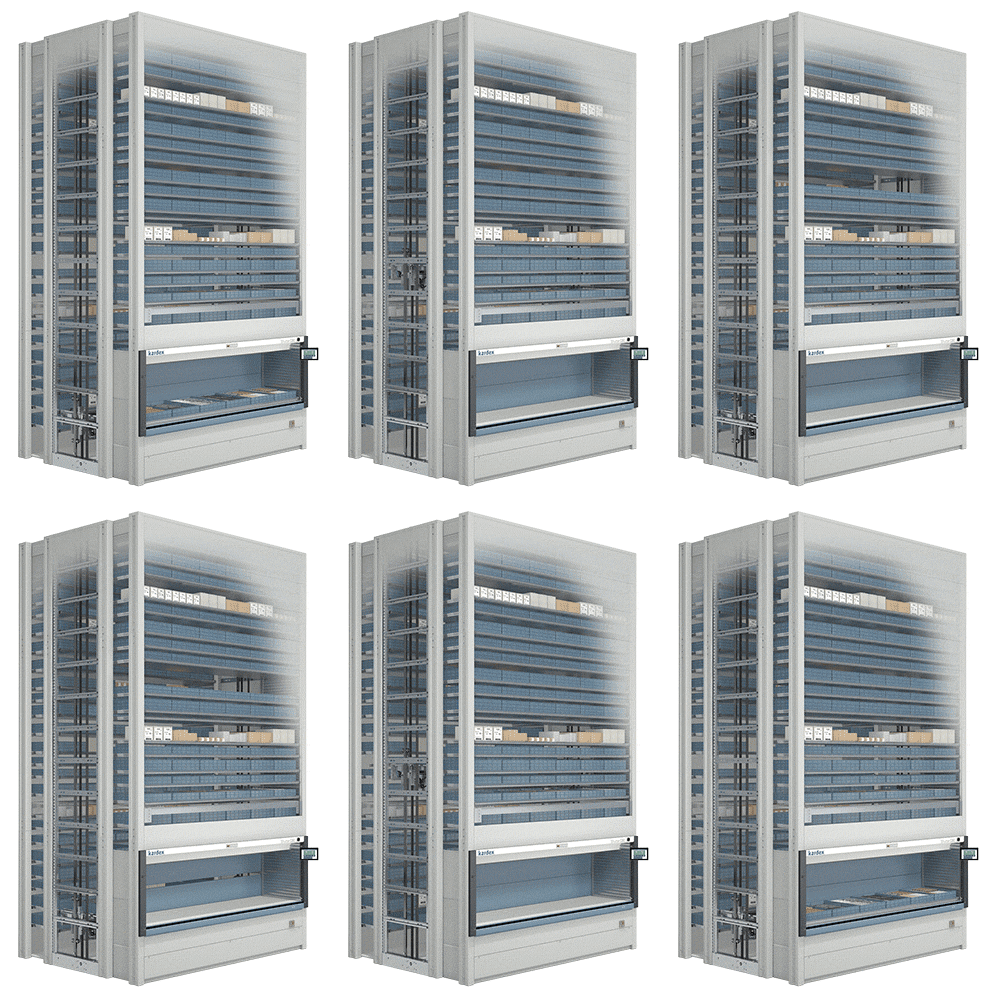
Systems such as Vertical Lift Modules (VLM) and Vertical Carousel Modules (VCM) are designed to store heavy molds and tools vertically within a compact footprint. Instead of expanding floor space, tools are stored in vertical trays and automatically delivered to the operator when needed.
With just one click, the correct tray containing the correct tool is brought to the access opening at an ergonomic working height—quickly and safely.
This means:
- No forklifts required
- No walking hundreds of meters across the factory
- No searching through racks or risking tool mix-ups
Even for large, heavy molds, vertical smart warehouse systems make tool handling simpler, faster, and significantly safer.
.
Xem thêm về Hệ thông kho lưu trữ của ETEK TẠI ĐÂY
Key Benefits of Automated ASRS for Tools, Molds, and Spare Parts
1. Fast and Accurate Tool Retrieval
Automated storage eliminates time-consuming and error-prone manual searching. With push-button retrieval and real-time inventory tracking, operators can access the right tool or mold in seconds—without walking the shop floor or using lifting equipment.
This speed is critical during frequent changeovers, significantly reducing machine downtime and keeping production on schedule.
2. Maximum Factory Floor Space Optimization
Traditional racks and floor storage consume valuable production space. Vertical ASRS solutions such as VLM and VCM use ceiling height instead of floor area, reducing storage footprint by up to 85% while accommodating more tools in the same space.
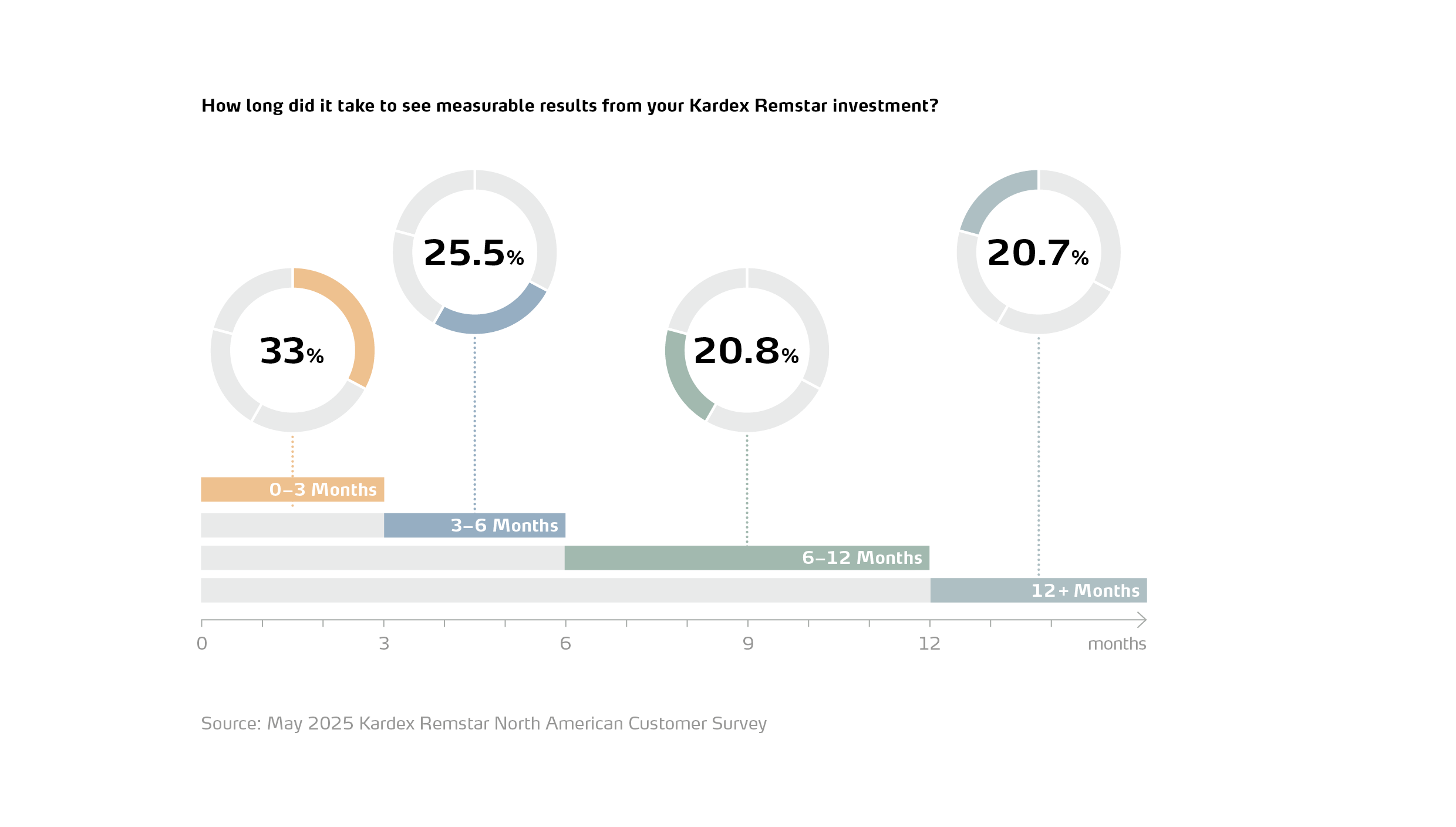
This is especially valuable for companies handling large, heavy, or high-mix tooling. In a Kardex Remstar customer survey, 78% of users stated that space optimization was the most important benefit they achieved.
3. Structured Tool Organization and Tight Inventory Control
Each mold, die, or tool is assigned a dedicated location and tracked via software. This enables full visibility of tool quantity, usage history, and availability status.
When combined with barcode or RFID technology, tool returns become fast and error-free. The shop floor stays clean and organized—no more lost tools or misplaced equipment.
4. Reduced Handling Errors and Tool Damage Risk
Manual handling increases the risk of drops, collisions, and damage—especially for high-value molds. Automated systems present trays at the correct working height, minimizing manual lifting.
The controlled pick-and-return process protects valuable assets, preserves tool quality throughout their lifecycle, and reduces maintenance and replacement costs.
5. Faster Tool Changeovers and Greater Production Flexibility
Well-organized and easily accessible tooling dramatically shortens changeover times. This is critical for factories running small batch sizes or frequent product changes.
ASRS can integrate with carts, AGVs, or lifting equipment to streamline tool transport to and from production lines—reducing waiting time and increasing machine uptime.
6. Improved Safety Through Ergonomic Lifting Solutions
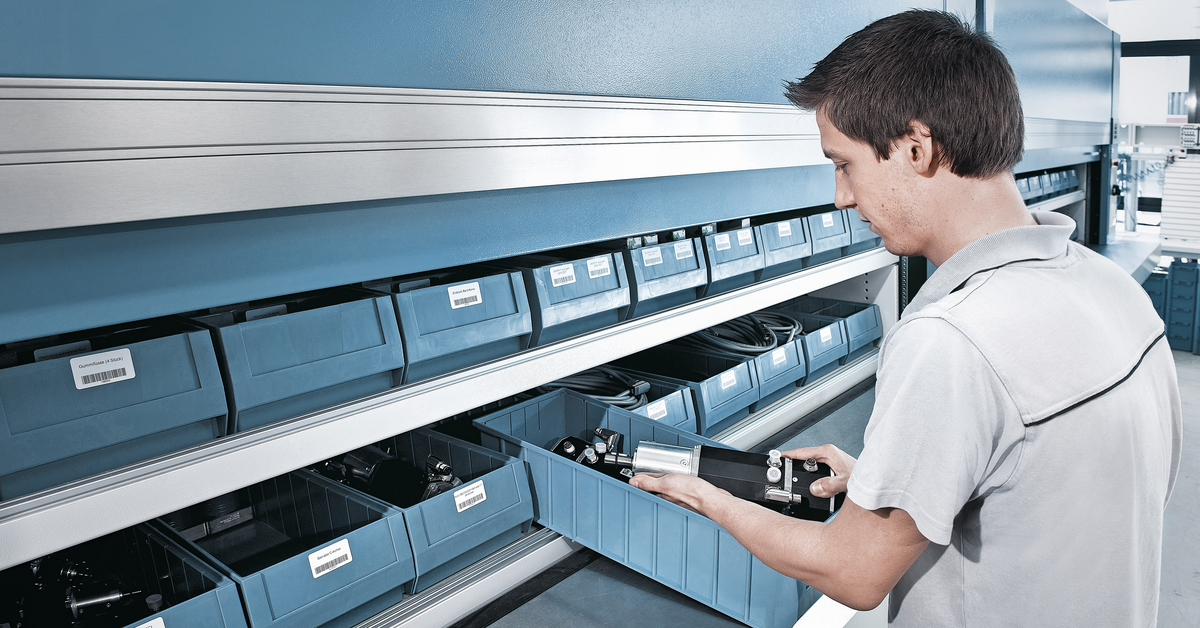
Metal molds and dies are extremely heavy, making manual lifting a major safety risk. When ASRS is combined with lift tables, hoists, or cranes, tools are delivered at waist height—eliminating bending, reaching, and overexertion.
This supports OSHA-compliant ergonomics, reduces operator fatigue, prevents injuries, and minimizes unplanned downtime caused by workplace accidents.
7. Ideal for High-Mix, Low-Volume Manufacturing
Modern manufacturing demands flexibility—smaller batches, customized configurations, and frequent changes. Automated tool storage systems support this by synchronizing with production planning software.
Tools can be pre-staged for each production order, reducing confusion and ensuring readiness. As a result, companies maintain high productivity while responding quickly to changing customer demands.
Bài Viết Liên Quan
Launch of the Vietnam Robotics Chapter – A Strategic Step Toward Advancing the Robotics and Automation Ecosystem
Conveyor Technology for Packaged Food: 6 Expert Tips to Optimize Energy Efficiency
Markem-Imaje 2200 Label Printer & Applicator for the Food Industry