CÔNG TY CỔ PHẦN GIẢI PHÁP TỰ ĐỘNG HÓA ETEK | ETEK INTRALOGISTICS


Top Intralogistics Solutions for the Food Industry
As the food & beverage (F&B) industry continues to grow rapidly, businesses are placing greater emphasis on intralogistics to optimize internal operations, reduce costs, and enhance competitiveness. Alongside this, automation in the food industry has become an inevitable trend, enabling factories to operate more efficiently, safely, and sustainably.
What Is Intralogistics in the F&B Industry?
Intralogistics in the F&B industry refers to a set of solutions for managing, storing, and transporting goods within food and beverage factories—from raw materials and semi-finished products to finished goods ready for dispatch.
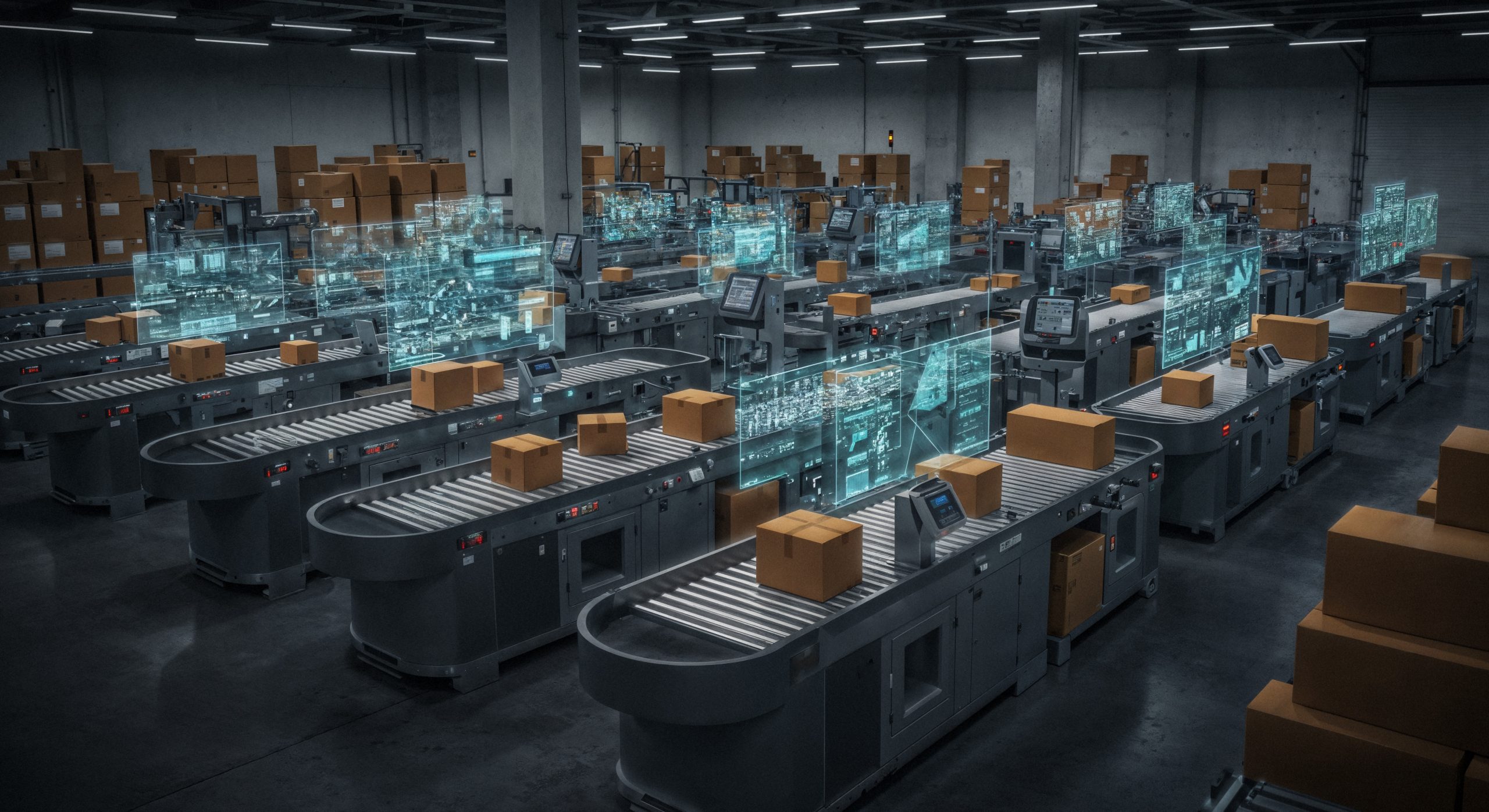
Unlike traditional logistics, intralogistics focuses on optimizing internal material flows, reducing manual handling, and ensuring strict control over hygiene, traceability, and shelf life—critical factors in the F&B sector.
Why Does the F&B Industry Need Intralogistics and Automation?
Food production is characterized by continuous operations, large volumes, and strict safety requirements. Relying heavily on manual processes can easily lead to warehouse congestion, inventory inaccuracies, and wasted resources.
Implementing intralogistics solutions combined with food industry automation offers clear benefits, including:
- Optimized warehouse space and production floor layout
- Reduced errors in inbound, outbound, and inventory management
- Minimized direct contact with products
- Compliance with HACCP, ISO, and GMP standards
Top Intralogistics Solutions in the Food Industry
1. ASRS Automated Warehousing for Food Industry
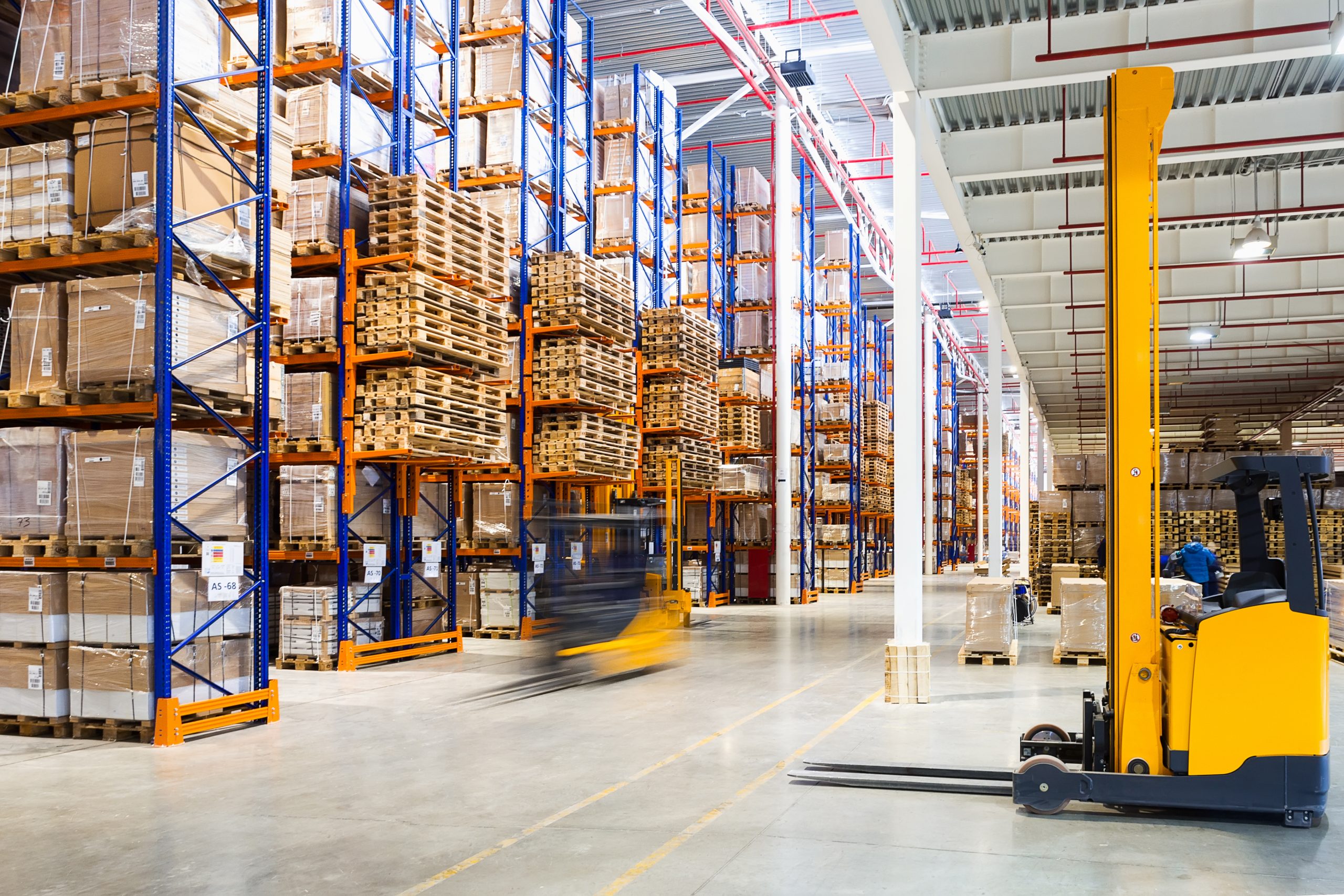
ASRS (Automated Storage and Retrieval Systems) are among the most widely adopted intralogistics solutions in food manufacturing, especially for raw material and finished goods warehouses.
ASRS enables high-density storage, accurate FIFO/FEFO management, and is particularly effective for cold and chilled storage—where operating costs are typically high.
2. VLM – Vertical Lift Module Systems
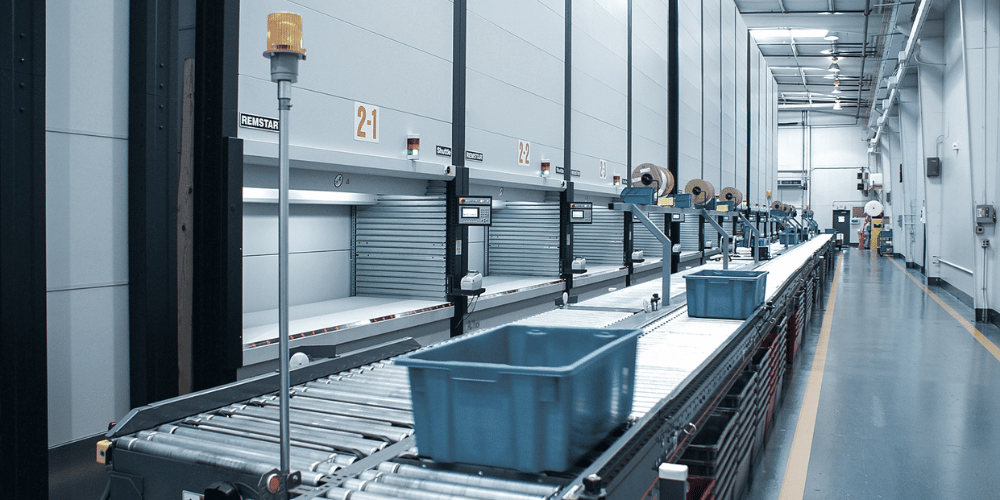
VLMs are vertical automated storage systems ideal for storing components, packaging materials, spare parts, and maintenance tools in F&B factories.
This solution significantly saves floor space while enhancing inventory control and hygiene—both essential in food industry automation.
3. Automated Conveyor Systems in Food Processing Lines
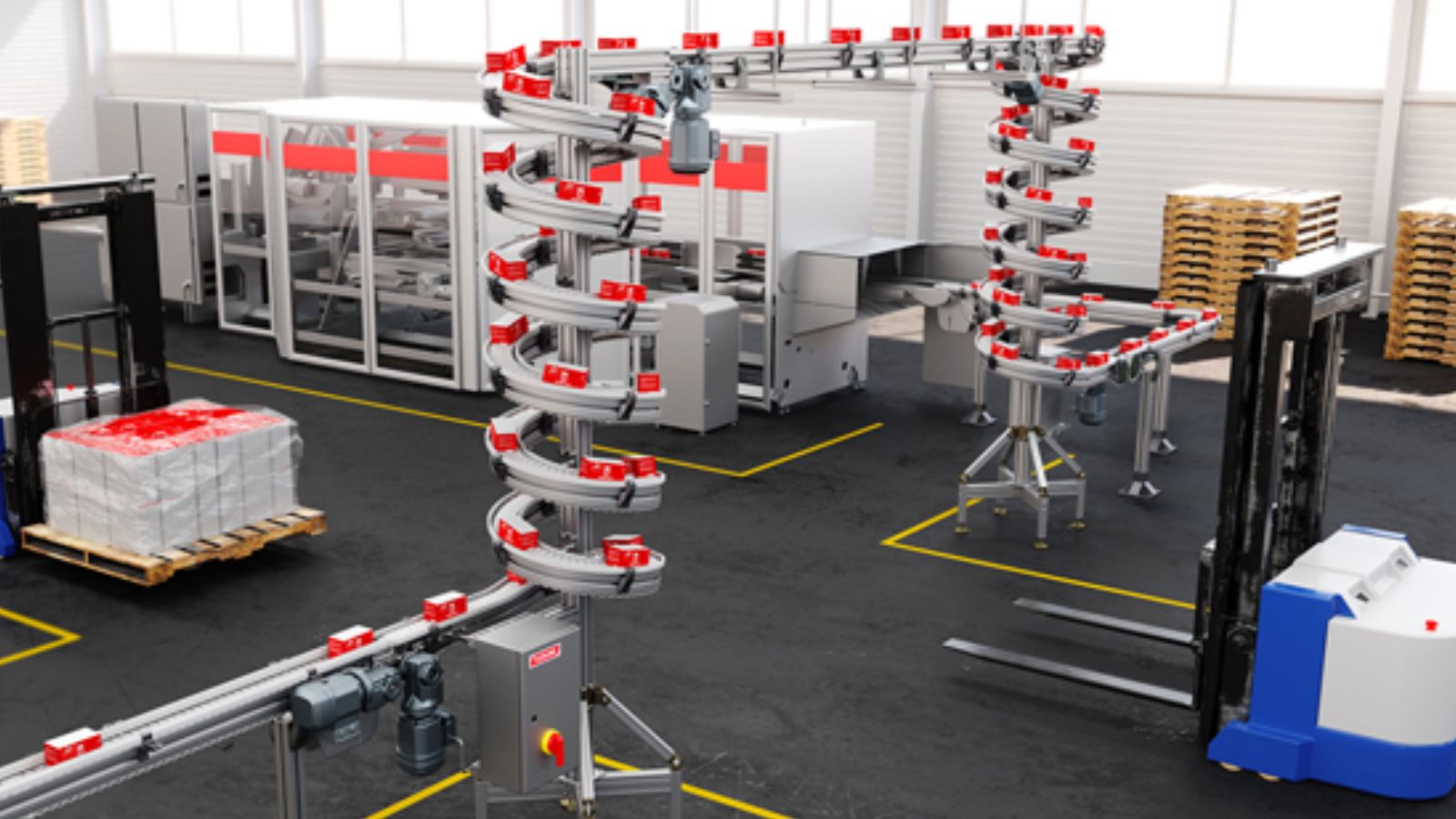
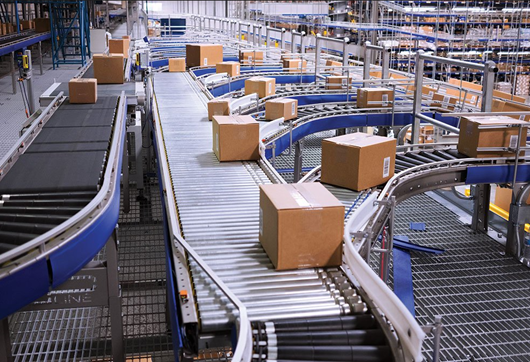
Conveyors play a central role in intralogistics systems, seamlessly connecting production, packaging, and storage processes.
Depending on product characteristics, companies can use modular plastic chain conveyors or roller conveyors designed for packaged food, increasing throughput while reducing labor dependency.
Learn more about plastic chain conveyors
Learn more about roller conveyors
4. AGV/AMR – Automated Transport Robots
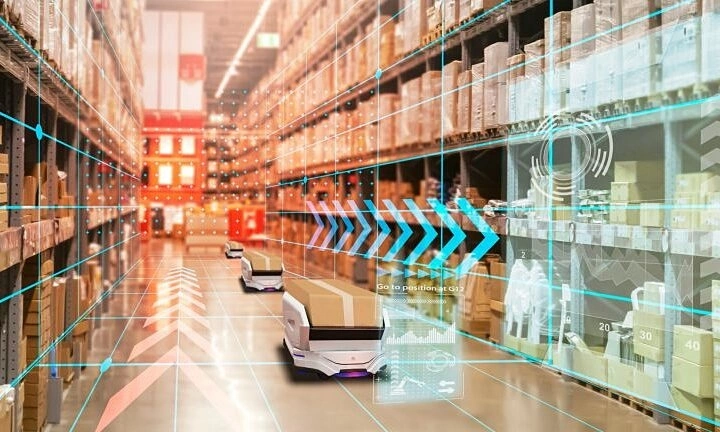
AGV and AMR robots are increasingly popular, especially in large-scale factories with high transport frequency.
These robots can move pallets, totes, or raw materials between production zones, enhancing flexibility and safety in food manufacturing facilities.
Learn more about AGV/AMR: HERE
5. WMS and Data Traceability Systems
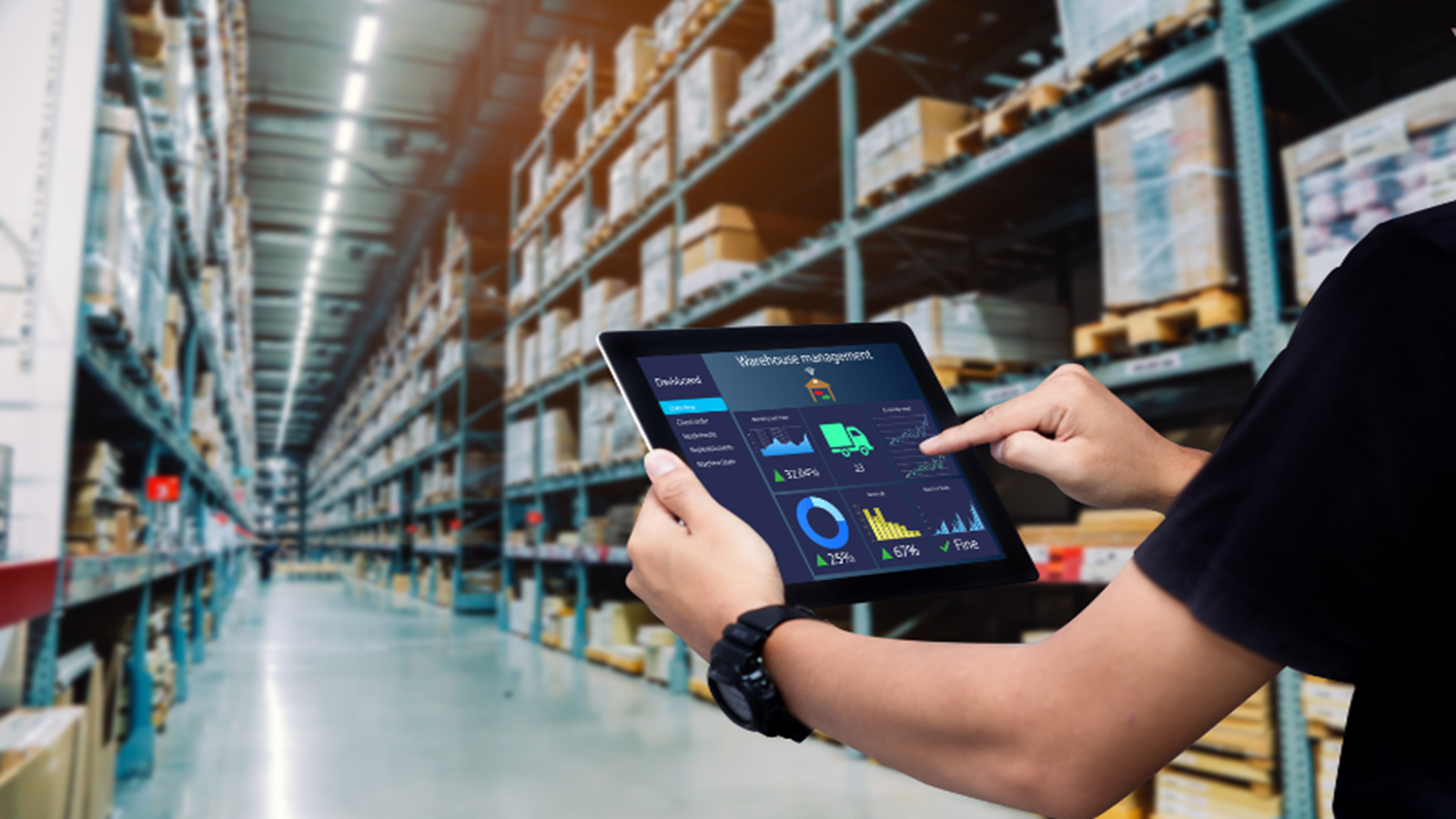
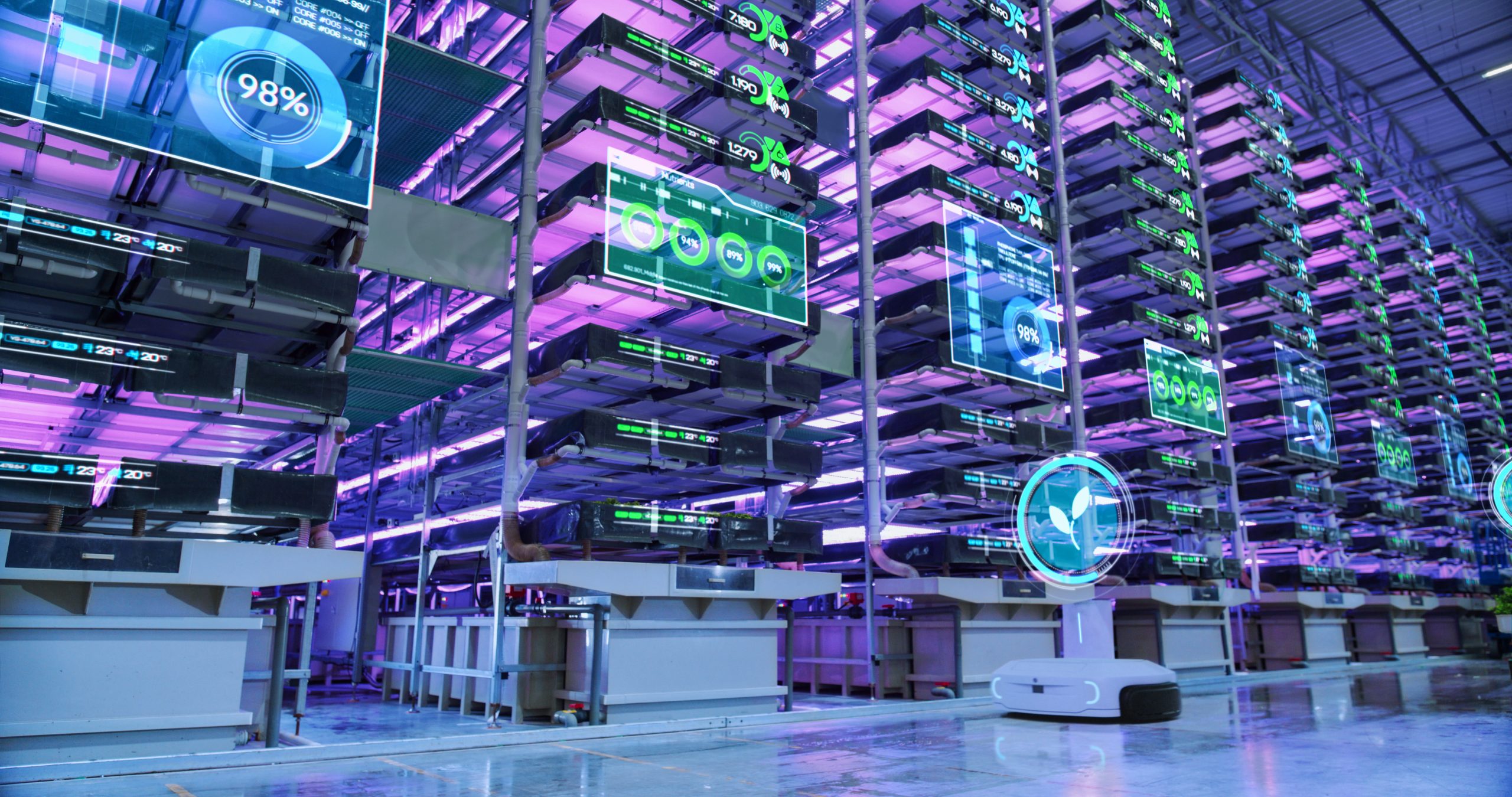
An effective intralogistics system cannot operate without a Warehouse Management System (WMS). WMS enables real-time inventory visibility, batch and expiry-date management, and fast traceability when required.
This software forms the core foundation for implementing food industry automation in a synchronized and sustainable manner.
Learn more about WMS: HERE
Future Trends of Intralogistics in the F&B Industry
In the coming years, intralogistics in the F&B sector will continue to evolve toward:
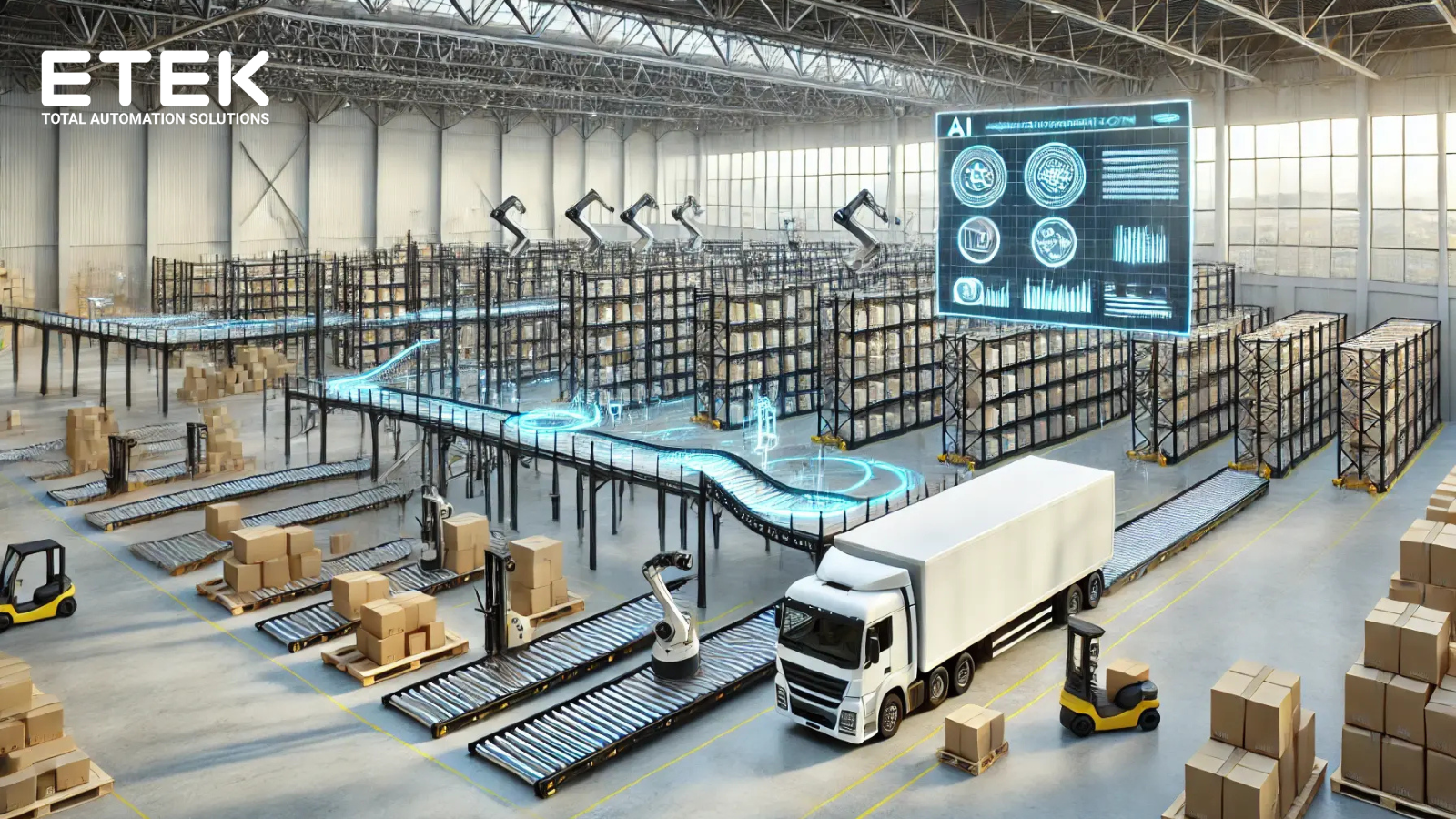
- Integration of AI and big data in warehouse management
- Wider adoption of flexible AMR robots replacing manual transport
- Seamless connection between intralogistics, ERP, and MES systems
- Enhanced traceability and data transparency
F&B companies that invest early in automation will gain clear advantages in cost efficiency, productivity, and scalability.
Conclusion
Intralogistics solutions are not only tools for optimizing internal logistics operations but also a critical foundation for the transformation toward modern food manufacturing. When combined with food industry automation, intralogistics helps improve operational efficiency, ensure product quality, and support long-term growth strategies.