CÔNG TY CỔ PHẦN GIẢI PHÁP TỰ ĐỘNG HÓA ETEK | ETEK INTRALOGISTICS


The Importance of Packaging Integrity in Food Logistics
Packaging integrity is a critical factor in food logistics, ensuring products reach consumers in optimal condition. In an industry where quality and safety are paramount, maintaining packaging integrity not only reduces waste and improves operational efficiency but also minimizes the risk of costly product recalls.
Food packaging must withstand numerous impacts during handling and transportation—a significant challenge. This article focuses on common issues affecting packaging integrity in food logistics and effective solutions to address them.
Pressure on Packaging, Energy Waste, and Safety Risks
Within the logistics chain, food packaging must be protected from mechanical impacts, contamination risks, and environmental conditions such as temperature and humidity. One of the biggest challenges is collisions and congestion during packaging and transport, which can lead to product damage and loss, directly impacting efficiency and profitability.
At the same time, packaging materials must be strong enough to protect products while remaining cost-effective and aligned with sustainability goals.
Energy efficiency is another major concern. Many legacy conveyor systems in food logistics consume excessive energy, driving up operating costs. Inflexible conveyor designs that are difficult to reconfigure for changing production needs further exacerbate these issues.
Finally, ensuring food safety and worker safety remains a constant priority, requiring regular maintenance and strict adherence to safety procedures.
Protecting Product Integrity with the Right Packaging Solutions
Preventing product damage is the core objective of any packaging strategy in food logistics. Properly designed packaging can significantly reduce risks from impact, mechanical stress, and environmental factors. Using high-quality materials with good cushioning and support is essential. Packaging must also be tailored to specific product characteristics—from lightweight, fragile items to heavier, more robust goods.
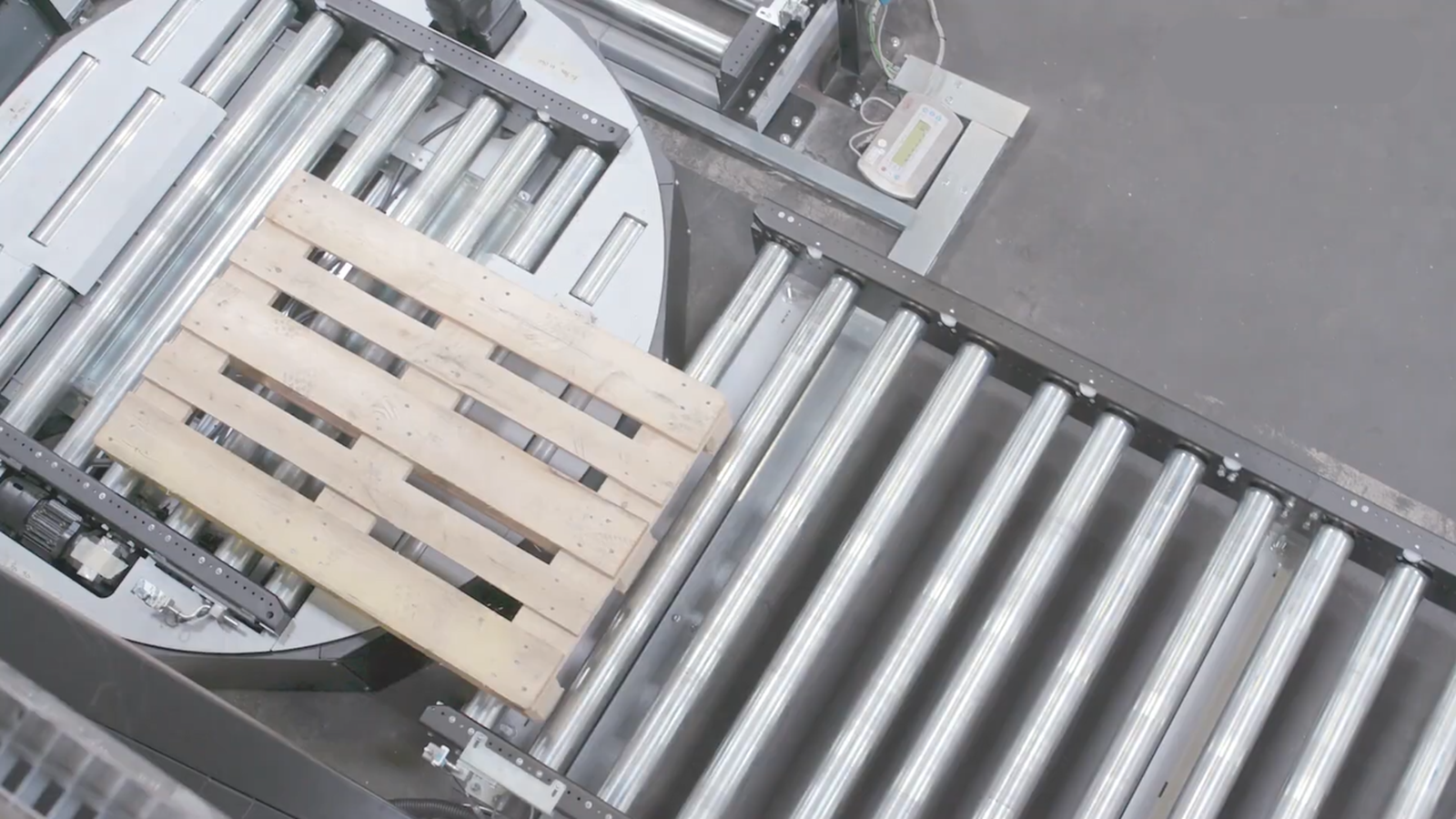
Zero Pressure Accumulation (ZPA) technology is an effective solution for minimizing product damage. By preventing collisions and congestion on conveyors, ZPA ensures each product moves smoothly throughout the packaging process. Sensors detect the presence of items in each conveyor zone, enabling precise control and significantly reducing the risk of damage.
Modular Conveyor Systems: The Key to Efficiency and Packaging Protection
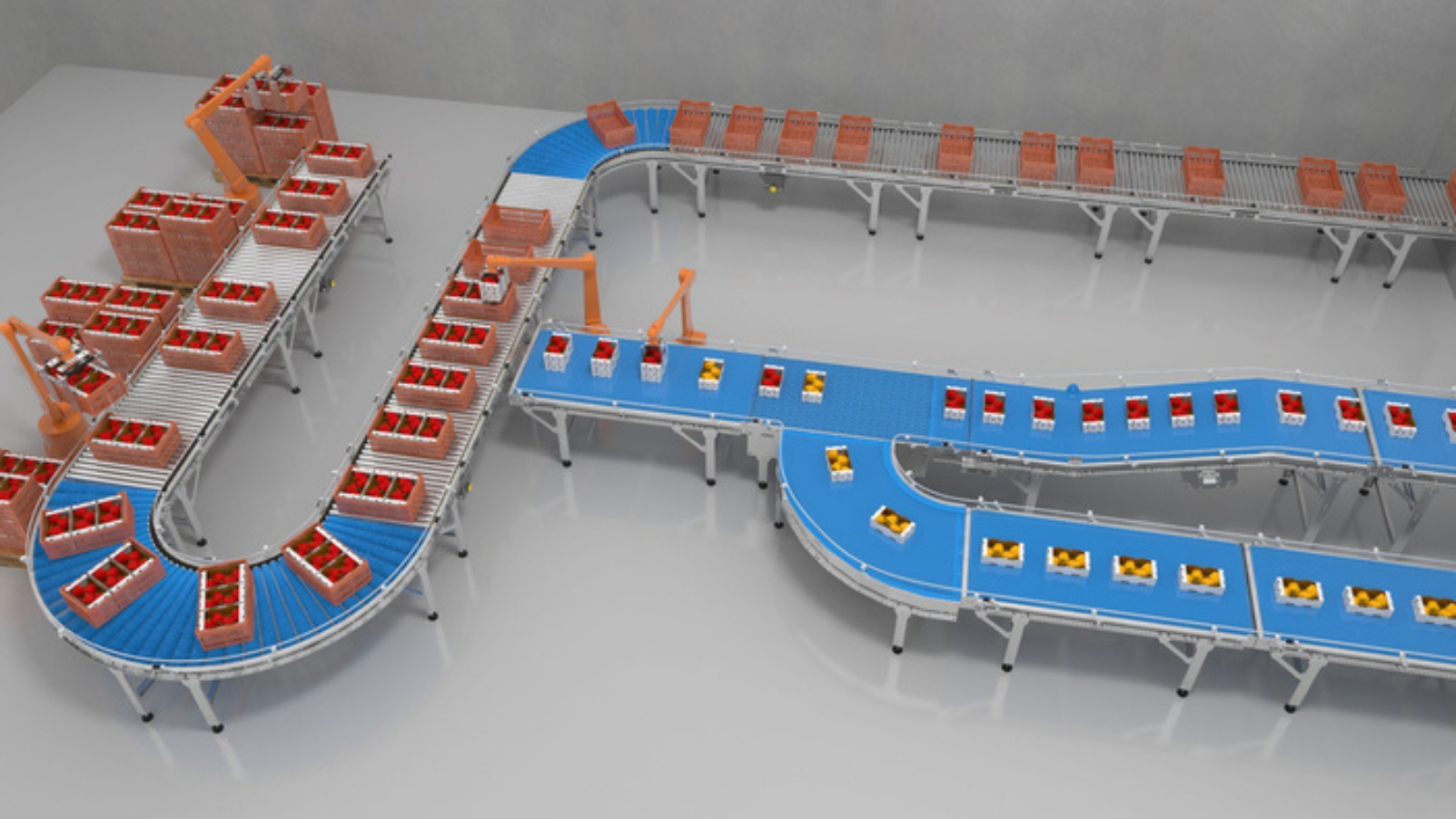
Modular conveyor systems combined with ZPA offer a flexible, scalable solution for food logistics operations. Unlike traditional fixed systems, modular conveyors can be easily reconfigured to adapt to changes in production volume and product types.
This flexibility helps to:
- Reduce downtime
- Enable rapid adjustments to production changes
- Prevent collisions along the conveyor line
As a result, packaging remains protected, operations run efficiently, and businesses can respond faster to market demand.
Practical Strategies to Improve Packaging Integrity
To enhance packaging integrity in food logistics, companies can implement several practical measures:
First, investing in high-quality materials and advanced packaging technologies such as ZPA helps reduce product damage and improve overall performance. Regular maintenance and proactive conveyor management are also essential to prevent unplanned downtime and ensure stable, continuous operation.
Training personnel and establishing clear safety procedures are equally important for protecting product integrity and maintaining a safe working environment. When employees understand proper handling techniques and the importance of packaging, the risk of errors and accidents decreases significantly.
Finally, leveraging data and intelligent control systems provides full visibility into packaging operations, enabling continuous improvement. Predictive maintenance, real-time monitoring, and automated adjustments help identify potential risks early—before they escalate into serious issues—ensuring systems operate at peak efficiency.
Improving Packaging Performance Starts with Packaging Integrity
Maintaining packaging integrity is vital to modern food logistics, helping protect products, reduce waste, and enhance overall productivity. By addressing common challenges and adopting advanced solutions such as ZPA technology and modular conveyor systems, businesses can achieve significant improvements in packaging performance and logistics efficiency.
Bài Viết Liên Quan
Conveyor Systems for the Food & Beverage Industry – Plastic Chain Conveyors
Launch of the Vietnam Robotics Chapter – A Strategic Step Toward Advancing the Robotics and Automation Ecosystem
Smart ASRS Warehouses – An Inevitable Trend in Supply Chain Optimization