CÔNG TY CỔ PHẦN GIẢI PHÁP TỰ ĐỘNG HÓA ETEK | ETEK INTRALOGISTICS


5 Commonly Overlooked Issues in Food Manufacturing That Are Silently Disrupting Packaging Operations
Your packaging line may look constantly busy. Machines are running non-stop, cartons keep moving, and operators are present on the floor doing their jobs well. But when you look deeper into the system, you may realize that “busy” does not always mean “efficient.” Let’s break down the hidden inefficiencies within food packaging lines—factors that quietly erode productivity and profitability over time.
In the food packaging industry, speed and accuracy are critical. But what happens when your line is operating exactly as designed, yet still isn’t optimized? In reality, the biggest threats to productivity don’t always come from breakdowns or missed deadlines. More often, they stem from silent bottlenecks already embedded in the system. These issues are hard to spot in the short term, but over time they reduce output, increase costs, and put pressure on operations teams.
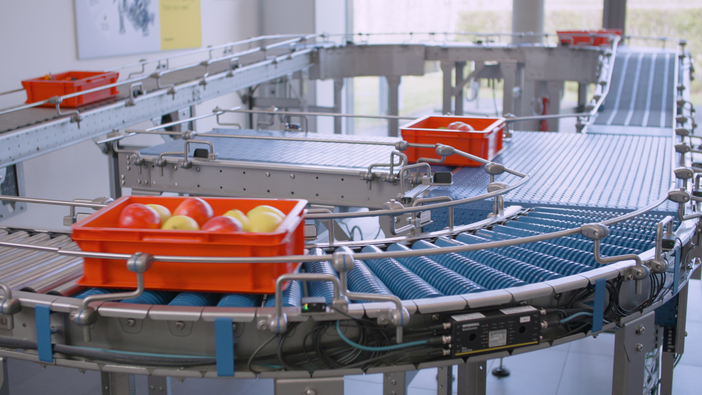
Below are five of the most commonly overlooked “performance killers” in food packaging lines:
1. Uncontrolled Product Accumulation
Product buildup on conveyors may seem like a minor issue, but it often signals deeper problems with material flow. When products accumulate, the risk of packaging damage increases, downstream processes slow down, and the likelihood of returns rises.
The ideal solution is to eliminate accumulation at the design stage. Zero Pressure Accumulation (ZPA) systems allow precise control of product flow, preventing contact and congestion. Implementing ZPA can significantly improve productivity by eliminating the need for manual intervention.
2. Lack of Overall Equipment Effectiveness (OEE) Control
Overall Equipment Effectiveness (OEE) is sometimes underestimated, yet even small inefficiencies can add up to major productivity losses. In a food packaging line—which may involve up to 12 processes from picking to labeling—minor delays can quickly escalate.
Synchronizing conveyor zones and automating manual adjustments helps ensure smoother operations, reduce inconsistencies, and improve overall line efficiency.
3. Manual-Handling Bottlenecks
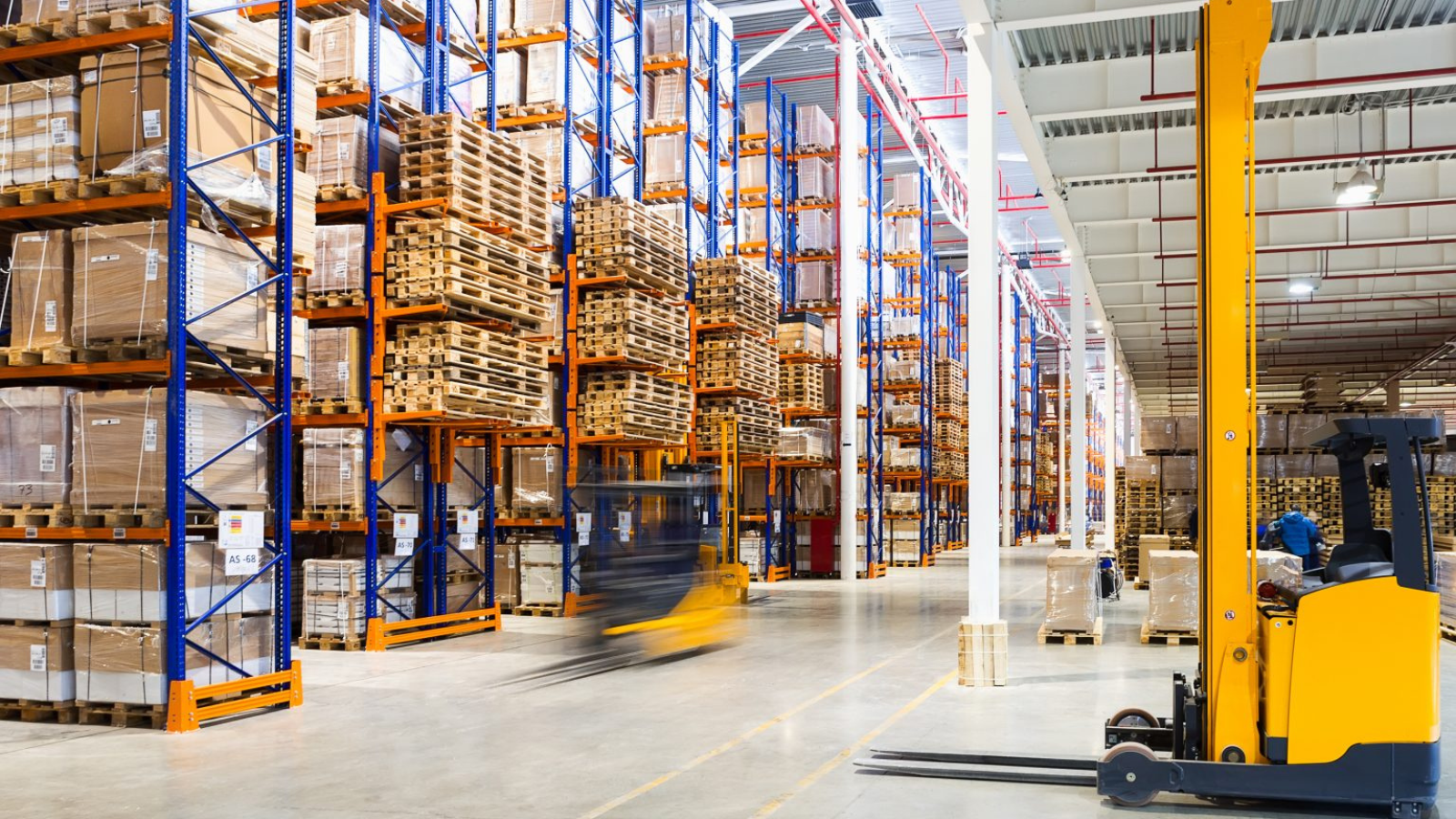
In large-scale food packaging facilities, manual handling often creates bottlenecks that are not immediately visible. Workers rearranging cartons, forklifts constantly moving, or manual transfers between conveyors are all common sights.
While operators may handle these tasks efficiently, they often mask underlying system inefficiencies. By analyzing how dependent carton flow is on human intervention, businesses can identify areas suitable for automation or redesign—reducing these “invisible” bottlenecks.
4. Unplanned Maintenance and Cleaning
All equipment requires maintenance, but unplanned downtime can severely disrupt production. A single component failure can shut down an entire line for hours—or even days. Preventive maintenance is essential, but it cannot eliminate unexpected issues such as leaks, breakdowns, or contamination.
In many food packaging lines, older and newer equipment often operate side by side, each with different maintenance requirements. Understanding how each maintenance activity impacts overall performance is critical. Designing systems with easy maintenance access and integrated solutions helps reduce downtime and improve operational efficiency.
5. Rigid Line Layouts
Many production lines are designed for a specific purpose, yet real-world demands constantly evolve. New customers, new products, or updated regulatory requirements may force layout changes. Inflexible systems can be costly and time-consuming to modify.
Building flexibility into the system from the initial design stage allows businesses to adapt more easily to changing requirements—without extended downtime or excessive costs.