CÔNG TY CỔ PHẦN GIẢI PHÁP TỰ ĐỘNG HÓA ETEK | ETEK INTRALOGISTICS


Vertical Lift Module (VLM) Smart Warehouses – An Optimized Solution for 11 Leading Industries
Vertical Lift Module (VLM) Smart Warehouses – An Optimized Solution for 11 Leading Industries
Automation is transforming industries worldwide—including warehouses and distribution centers—by delivering significant gains in efficiency and productivity. The Vertical Lift Module (VLM) market is projected to reach USD 1.77 billion by 2031, driven by businesses seeking smarter and more efficient storage solutions.
From automotive components to pharmaceutical supplies, organizations across multiple sectors are discovering how VLM systems are reshaping their operations.
Vertical Lift Module smart warehouses offer a modular, flexible solution trusted by industries worldwide to overcome today’s most pressing storage and order fulfillment challenges.
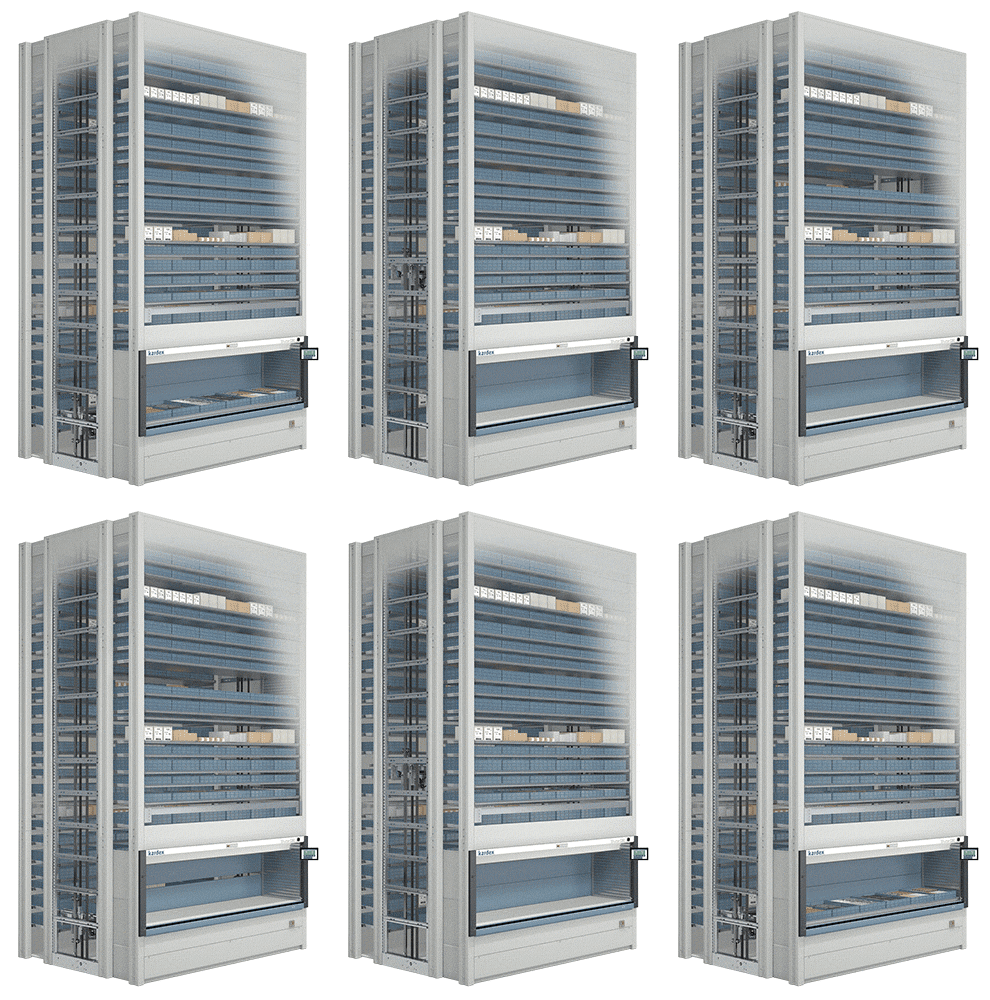
By maximizing vertical space utilization and delivering goods directly to operators, VLM systems address the core concerns faced by every warehouse manager:
- Improved safety
- Higher picking accuracy
- Optimized space utilization
- Reduced labor costs
In a survey of over 100 warehouse managers using Kardex Remstar automation solutions, 80% reported achieving ROI within the first 12 months, and 33% achieved ROI in just 90 days.
11 Industries Benefiting from Vertical Lift Module (VLM) Smart Warehouses
1. VLM Smart Warehouses in Automotive Manufacturing
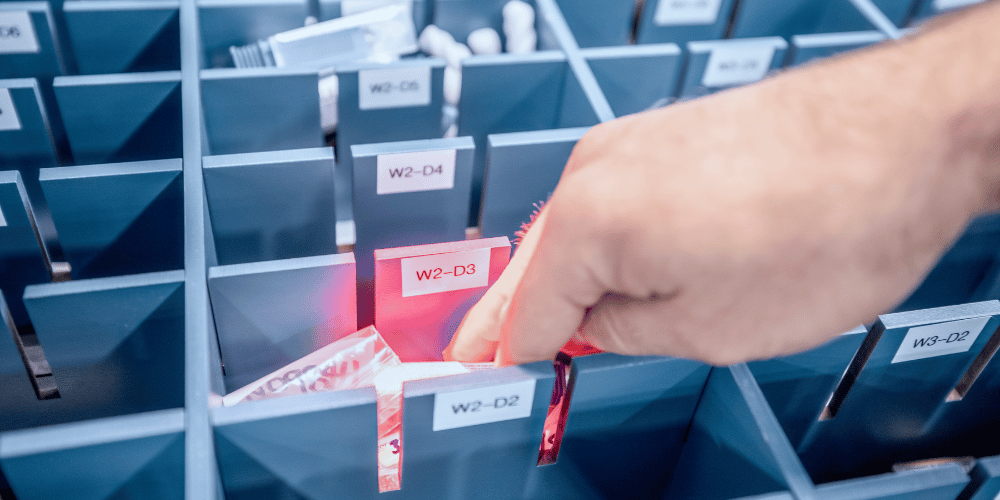
Automotive manufacturing operations must manage a vast range of complex components throughout the production line. Assembly processes require thousands of parts—from small bolts and electrical connectors to larger subassemblies—all of which must be perfectly synchronized.
A wide variety of SKUs combined with just-in-time (JIT) manufacturing means that any delay in part retrieval can disrupt the entire production schedule. Meanwhile, floor space on the production line is extremely valuable, making traditional storage inefficient and costly.
Benefits of VLM for automotive component storage include:
- High-density storage, allowing components to be neatly organized and positioned close to assembly lines within a compact footprint
- Goods-to-person operation, delivering parts directly to line workers and eliminating travel to distant storage areas
- Real-time inventory tracking, integrated with manufacturing execution systems to ensure uninterrupted production flow
- Support for kitting and pre-assembly, preparing component sets for specific production batches or vehicle models
With VLM systems in place, components reach assembly stations faster, and workers no longer need to leave their positions to search for parts—ensuring continuous, uninterrupted assembly operations.
Beyond productivity gains, delivering parts at ergonomic access heights significantly improves worker experience. Instead of repetitive bending, reaching, or lifting throughout a shift, components arrive at an optimal working height. The result is a safer, more efficient workforce that maintains consistent quality and speed throughout production.
2. VLM in Automotive Dealerships and Service Centers
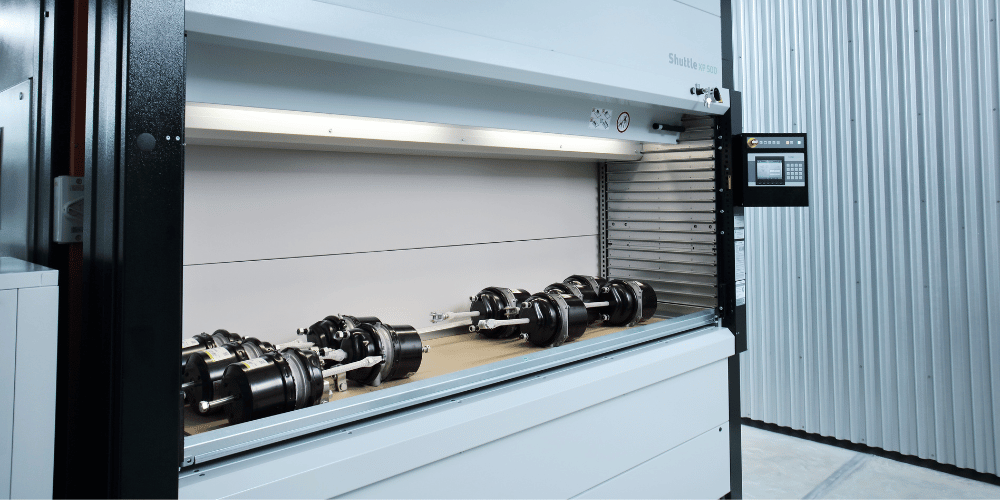
Automotive dealerships and service centers also manage thousands of spare parts. A wide SKU range often forces technicians to spend excessive time searching for components, leading to delayed repairs and customer dissatisfaction.
Limited space in urban dealerships makes traditional storage inefficient, while picking errors can be costly due to rework or warranty claims.
Benefits of VLM for automotive service parts storage include:
- High-density storage, organizing everything from small gaskets to brake assemblies in a compact area
- Goods-to-person functionality, eliminating unnecessary travel time between storage locations
- Seamless ERP integration, enabling real-time inventory tracking and automated replenishment
- Advanced inventory management features, ensuring the correct part is delivered to the right technician every time
VLM systems can easily integrate with existing DMS or CDK platforms, enabling real-time tracking, parts management, and optimized service department workflows.
Automotive businesses using VLM report significantly faster part retrieval times, reducing waiting periods in service bays.
Space savings are particularly valuable for urban dealerships where real estate costs are high. Picking accuracy improves dramatically, nearly eliminating costly errors that lead to warranty losses.
Diamond Technique, a commercial vehicle parts supplier, increased inventory security while freeing up more floor space compared to traditional storage methods.
Most importantly, technicians work more safely, as parts are delivered at ergonomic heights—reducing injuries caused by bending and reaching in conventional parts rooms.
3. VLM in the Mechanical Engineering Industry
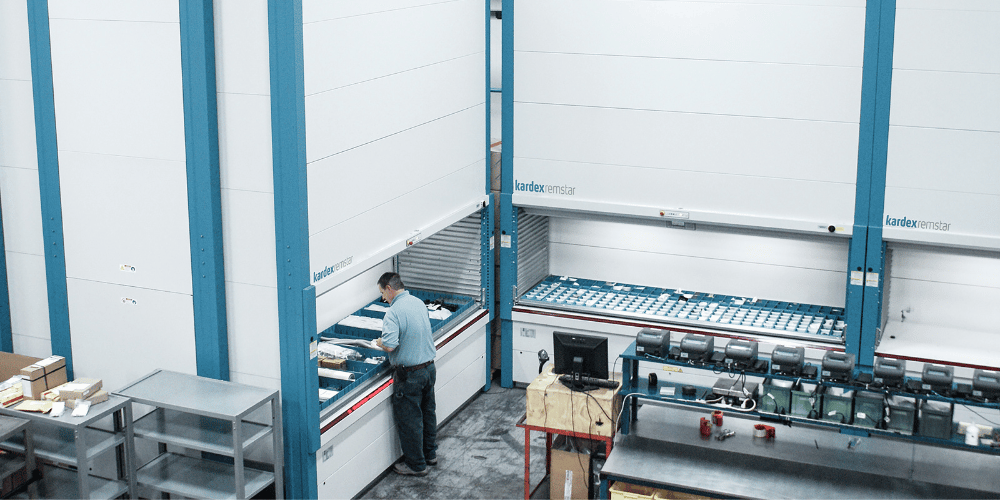
Mechanical engineering operations handle an extremely diverse range of items—from precision measuring instruments to machine components weighing hundreds of kilograms.
Traditional storage systems often require workers to climb ladders or use lifting equipment to access heavy items stored at height, posing serious safety risks. The wide variation in part sizes also makes efficient organization difficult, leading to wasted space and time.
Benefits of VLM for mechanical engineering storage include:
- Heavy-duty trays with load capacities up to 2,000 lbs, suitable for engine blocks and other heavy components, with customizable access heights for flexible handling
- Trays can be extracted manually or automatically and easily integrated with cranes for safer lifting and positioning
- Dynamic slotting, optimizing storage locations based on usage frequency so frequently used parts are always within easy reach
- Integration with tool management software, creating a smart tool warehouse that tracks usage and tool lifespan
- Precise location control and traceability, eliminating time wasted searching for parts
With VLM systems, mechanical engineering companies can handle bulky components more safely by automatically delivering items to ergonomic working heights. Production support becomes smoother thanks to rapid access to critical components.
VLM solutions also elevate tool rooms to a new level through precise and comprehensive inventory management—ensuring the exact location of every tool and component is always known. Workplace safety improves significantly, as manual lifting and climbing are largely eliminated.
Creating a fully automated tool storage system with VLM is straightforward—simply integrate with tool management solutions such as Zoller to track tool assets, last user access, and each tool’s active lifecycle.
4. VLM in Pharmaceutical Manufacturing

Pharmaceutical manufacturing operates under strict regulatory requirements where compliance is non-negotiable. Storage environments must maintain precise temperature conditions for sensitive compounds, while full traceability must be ensured at every stage of product movement.
Traditional storage methods often struggle to meet FDA and GMP standards for security, environmental control, and documentation.
The risks of improper storage are extremely high.
Even a single error can result in product recalls or regulatory violations, causing severe financial and reputational damage.
Benefits of VLM for pharmaceutical storage include:
- Temperature-controlled storage options to maintain precise environmental conditions for heat-sensitive materials
- Multiple access control mechanisms, such as biometric authentication or badge access, ensuring only authorized personnel can handle sensitive pharmaceutical products
- Advanced inventory tracking combined with barcode scanning, creating complete end-to-end traceability data
- Specially designed trays and compartments, suitable for a wide range of materials—from small vials to large sample containers
Automation of documentation and environmental control within VLM systems enables pharmaceutical companies to fully comply with FDA and GMP standards. Storage temperatures remain stable, protecting high-value compounds from degradation. Clean, secure storage conditions meet pharmaceutical industry requirements while providing complete traceability for regulatory audits.
At the same time, VLM improves operational efficiency. Guided picking and access control functions virtually eliminate errors during inbound and outbound handling.
Merck modernized its pharmaceutical handling processes by implementing closed-loop Kardex Remstar storage systems, significantly enhancing traceability, batch control, and temperature stability.
5. VLM for Hospital Supply Storage
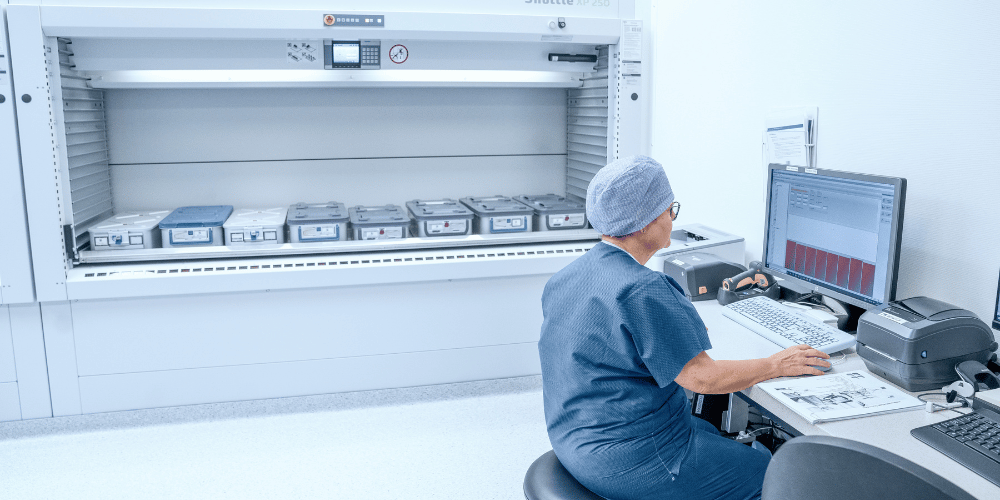
Hospital supply chains require immediate access to critical materials, as response time can directly impact patient outcomes. Storage areas must maintain sterile conditions to prevent contamination of medical equipment and supplies.
Limited space in healthcare facilities makes traditional storage inefficient. At the same time, hospitals must strictly control access to expensive pharmaceuticals and medical devices, while ensuring uninterrupted access to emergency supplies—even during power outages.
Benefits of VLM for medical supply storage include:
- Goods-to-person delivery, supplying materials directly to healthcare staff
- Enclosed system design that maintains sterile storage conditions
- Access control features to protect high-value inventory
- Emergency access modes, ensuring life-saving supplies remain available even during power failures
- Small footprint, optimizing valuable hospital space
In environments where every second matters, VLM significantly reduces retrieval time by eliminating manual searching through automation. The risk of cross-contamination is minimized through enclosed storage and controlled access.
The combination of security and emergency accessibility ensures critical medical supplies are always available while protecting inventory from loss or unauthorized access. By optimizing storage space, hospitals can allocate more area to patient care activities.
In some healthcare applications, Vertical Carousel Modules (VCM) may also be considered—particularly for lightweight, uniformly sized medical supplies. Unsure which solution fits best? A detailed comparison guide can help determine the right choice.
6. VLM in Chemical Storage
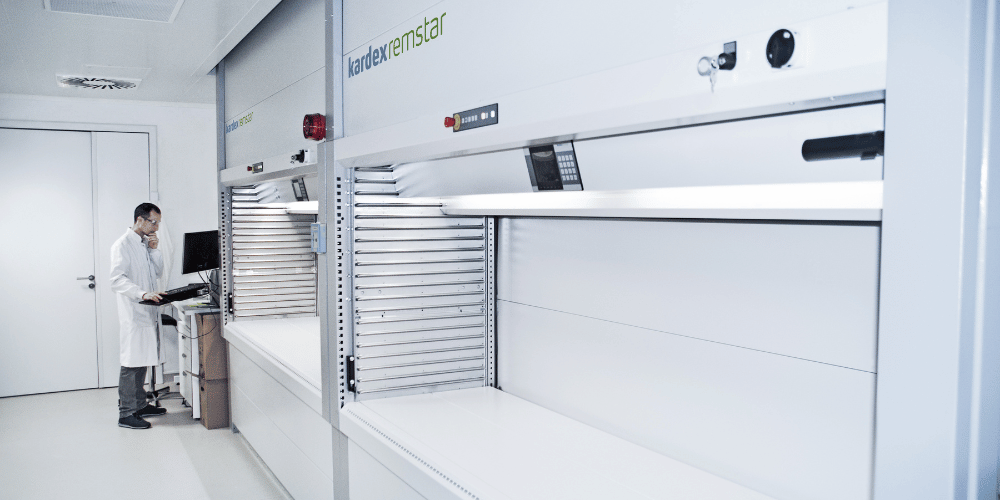
Chemical storage facilities handle hazardous materials and face strict safety requirements. A single storage incident can pose serious risks to personnel, violate regulations, and cause environmental damage.
Compliance demands rigorous access control and continuous environmental monitoring. Traditional storage systems often fail to provide adequate protection against exposure risks or meet safety standards for volatile and dangerous substances.
Benefits of VLM for chemical storage include:
- Strict access control, limiting chemical handling to authorized personnel and enhancing safety
- Enclosed storage design, safely containing hazardous substances and supporting environmental safety procedures
- Advanced fire and explosion protection systems, providing multiple layers of safety for dangerous materials
- Automated documentation, ensuring compliance with handling procedures and regulatory requirements
VLM systems improve operator safety by minimizing direct exposure to hazardous chemicals through controlled access and enclosed, secure retrieval mechanisms. Integrated safety systems provide peace of mind while ensuring full regulatory compliance.
Yves Rocher, a cosmetics manufacturer, significantly improved safety and compliance by deploying explosion-proof storage systems to protect raw materials and streamline inventory management.
Automated storage also simplifies compliance processes by fully digitizing access tracking and handling documentation.
7. VLM in the Electronics Industry
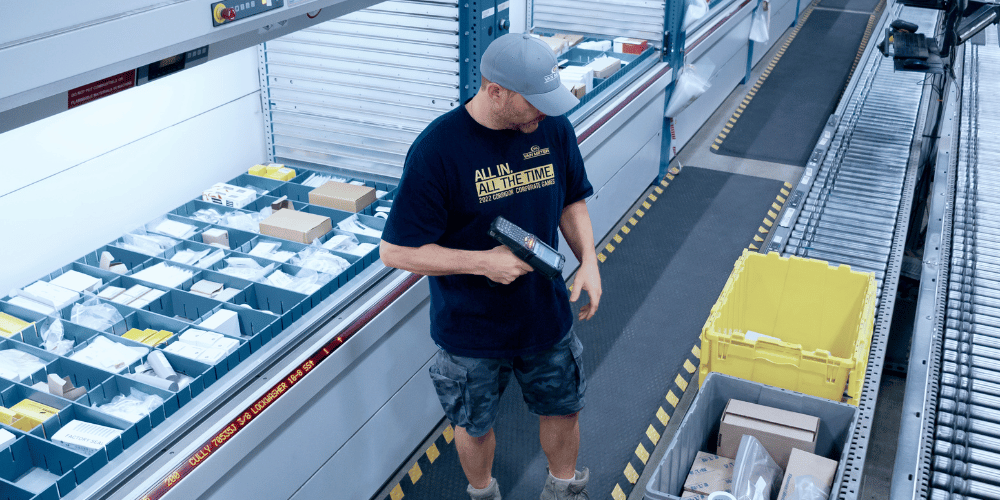
Electronics manufacturers and distributors manage delicate, high-value components that require protection from dust, electrostatic discharge (ESD), and theft. ESD-sensitive materials demand specialized storage environments to prevent damage caused by static electricity.
Traditional open storage systems expose valuable components to contamination, increase theft risk, and complicate inventory tracking for small, easily misplaced items.
Benefits of VLM for electronics storage include:
- Enclosed, dust-free storage environments, protecting sensitive components from contamination
- Advanced inventory tracking, monitoring high-value materials in real time
- ESD protection options, including specialized trays that prevent electrostatic damage
- Secure enclosed design, reducing theft risk while maintaining clean storage conditions
Controlled, clean environments combined with ESD protection help preserve component quality and prevent damage. Advanced tracking provides full visibility into high-value inventory, minimizing loss and theft while optimizing accurate and efficient order fulfillment.
Van Meter installed 18 VLM units across four workstations for batch picking, increasing picking productivity by 25% and achieving 99.9% accuracy.
Mouser Electronics operates one of the world’s largest VLM installations, with 187 integrated units that significantly boost order processing capacity while ensuring inventory and worker safety.
8. VLM in the Oil & Gas Industry
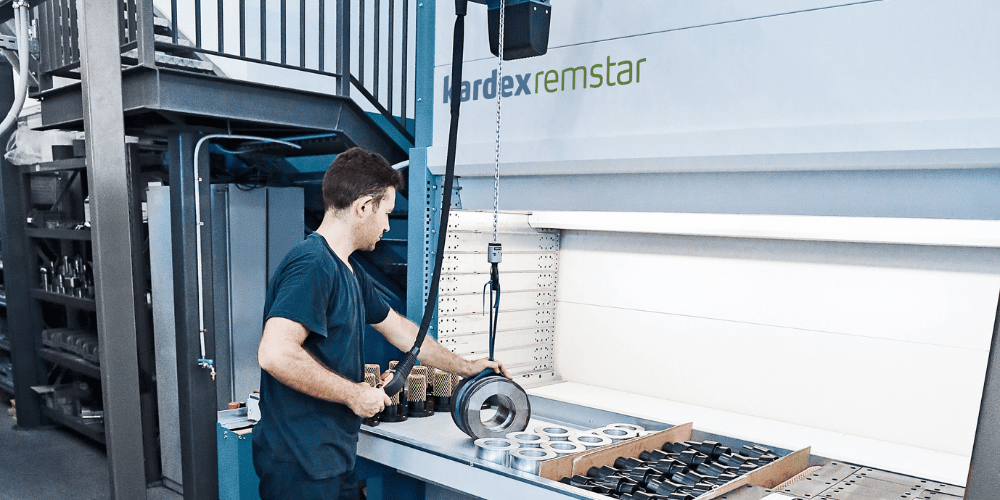
Maintenance operations in the oil and gas sector require specialized heavy components, often stored in remote locations with limited space and accessibility. When retrieving critical parts takes too long, equipment downtime can cost thousands of dollars per hour.
Due to the extreme weight of components, traditional storage systems often fail to meet operational requirements or reduce retrieval times.
Benefits of VLM for oil and gas storage include:
- Heavy-duty trays, specifically designed to store large and heavy components
- Integration with overhead cranes, enabling safe handling of heavy parts
- Manual and automatic tray extraction, allowing trays to be removed ergonomically and transported by cart to other facility areas
- Automated part delivery, ensuring maintenance teams receive required components quickly—even at remote sites
Maintenance turnaround times improve significantly as technicians gain rapid access to critical parts. VLM systems also overcome space constraints, even on offshore platforms or remote facilities.
Heavy-duty designs meet the demanding requirements of industrial maintenance while enhancing overall operational efficiency.
Frank Mohn uses six VLM systems to store critical components while maximizing ceiling height utilization, significantly increasing storage capacity
9. VLM in Public Sector Facilities
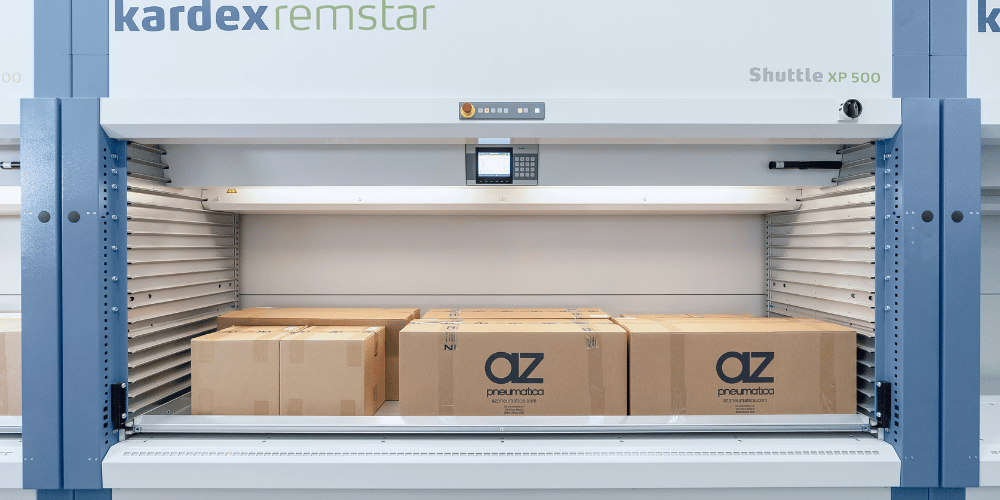
Government buildings are well known for limited storage space—not only for records and documents but also for public safety equipment. Facilities must securely store evidence, uniforms, weapons, and supplies while maintaining strict chain-of-custody requirements and detailed audit records.
Benefits of VLM in public sector storage include:
- Vertical design, maximizing capacity within space-constrained government facilities
- User access control, ensuring only authorized personnel can access sensitive materials
- Digital tracking, maintaining comprehensive records for audits and accountability
- Secure storage compartments, suitable for evidence, uniforms, and equipment
Kardex Remstar provides U.S.-manufactured systems that meet federal procurement requirements and CMCC standards for defense-related facilities.
VLM addresses public sector storage challenges by reducing footprint and freeing up space for essential functions. Secure storage features meet government requirements for handling sensitive materials, uniforms, weapons, and evidence.
Automation and digital tracking streamline retrieval while providing complete documentation to ensure accountability.
10. VLM in the Military and Department of Defense
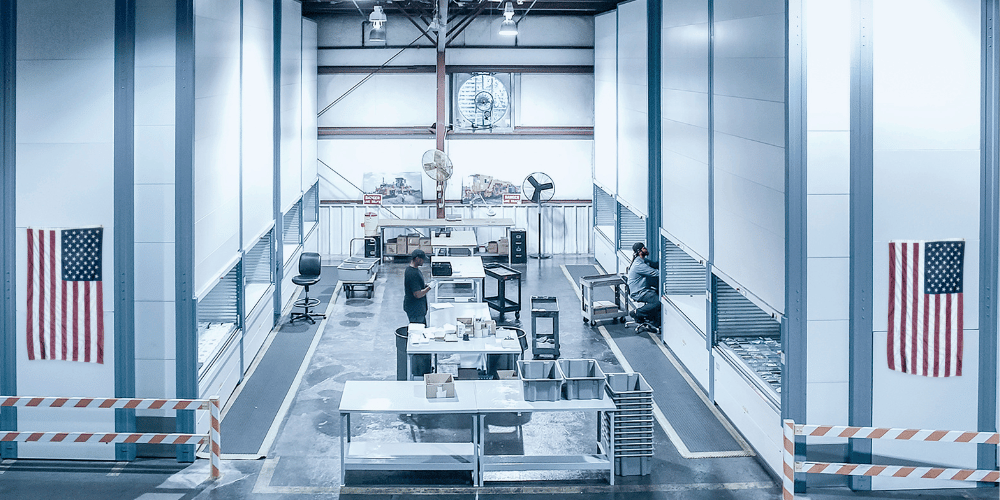
Military operations require secure storage systems that also support rapid deployment. Strict chain-of-custody requirements demand comprehensive documentation of every item movement. Storage facilities must house diverse materials—from weapons and ammunition to uniforms and deployment kits—while meeting the highest security standards.
Federal procurement rules favor U.S.-manufactured solutions, adding complexity to storage system selection.
Benefits of VLM for military and defense storage include:
- Secure access control systems with complete audit trails, meeting strict chain-of-custody requirements
- Rugged design, capable of withstanding harsh military environments while supporting diverse storage needs
- U.S.-manufactured Kardex Remstar systems, compliant with federal procurement and CMCC standards
- Modular architecture, delivering the security and reliability required for military operations
With VLM systems, military and defense organizations ensure asset security, maximum access control, and full traceability. U.S.-manufactured systems meet federal requirements while delivering durability and reliability.
Mission readiness improves as critical supplies and equipment are well organized and immediately accessible. Chain-of-custody requirements are automatically met through integrated documentation systems.
11. VLM in E-Commerce and Order Fulfillment
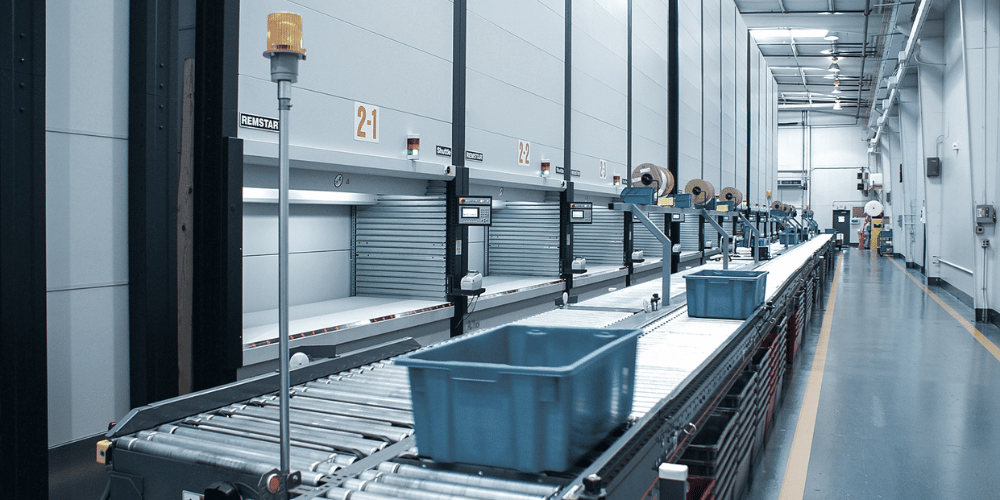
E-commerce and retail operations face intense pressure. Customers expect fast delivery and consistent product availability. Businesses must handle massive order volumes alongside growing SKU diversity, which rapidly increases storage demands. Delays in picking directly translate into missed delivery commitments.
Seasonal fluctuations further intensify operational pressure, requiring scalable storage systems without major infrastructure changes.
Benefits of VLM for retail and e-commerce storage include:
- Batch picking and wave picking strategies, enabling simultaneous processing of multiple orders
- Dual-tray pre-positioning, anticipating demand and combining with pick-to-light systems for fast, accurate guidance
- Modular design, allowing easy expansion to meet seasonal demand without major infrastructure changes
- High-speed operation, supporting demanding fulfillment schedules and customer expectations
- Flexible pod configurations, enabling multiple pickers to work simultaneously and quickly scale labor during peak periods
VLM systems accelerate fulfillment through optimized picking strategies and automated guidance. Faster, more accurate order processing helps e-commerce businesses meet customer expectations while controlling labor costs. Picking errors are significantly reduced thanks to pick-to-light technology and organized storage.
Scalable design ensures flexibility to adapt to seasonal demand without facility expansion.
VLM enables high-speed batch picking, as demonstrated by TSC, which successfully implemented this approach using three VLM units.
Overcoming Industry Challenges with VLM
Whether managing automotive parts, pharmaceutical supplies, or e-commerce fulfillment, VLM systems deliver the space savings, safety, and operational efficiency required across industries. Modular design allows VLM investments to grow alongside the business, adapting to changing inventory needs without major system overhauls.
Ready to explore how VLM can solve your industry-specific storage challenges? Discover how Kardex Shuttle VLM can be customized to meet your operational requirements.