CÔNG TY CỔ PHẦN GIẢI PHÁP TỰ ĐỘNG HÓA ETEK | ETEK INTRALOGISTICS


Benefits of Vertical Lift Module (VLM) Smart Warehousing for Small-Scale Warehouses in Vietnam
As land rental costs continue to rise, warehouse labor becomes harder to recruit, and delivery requirements demand higher speed and accuracy, small and medium-sized warehouses in Vietnam are under increasing pressure to optimize operations—without the option to expand floor space or workforce.
In reality, most warehouses in Vietnam today are small to medium in size, serving:
- Manufacturing and supporting industries
- E-commerce, retail, and distribution
- Spare parts, technical and maintenance warehouses
- Service centers, healthcare, and educational institutions
Despite lean staffing, these warehouses must still ensure:
- Fast inbound and outbound operations
- Accurate inventory control
- Reduced losses and picking errors
- Optimized use of available space
This is why Vertical Lift Modules (VLMs) are emerging as one of the most suitable automated warehousing solutions for small and medium-sized enterprises in Vietnam.
What Is a Vertical Lift Module (VLM)?
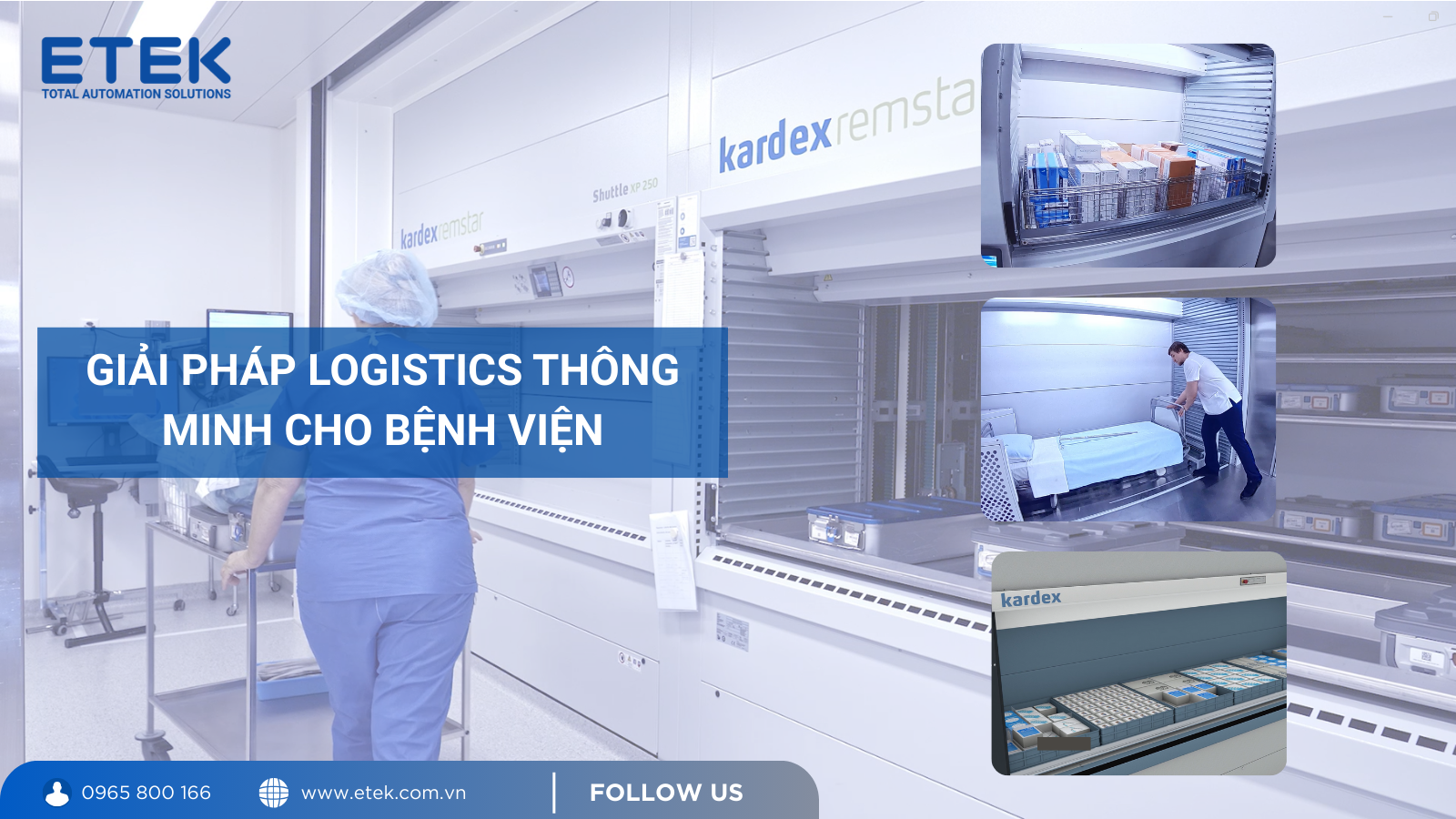
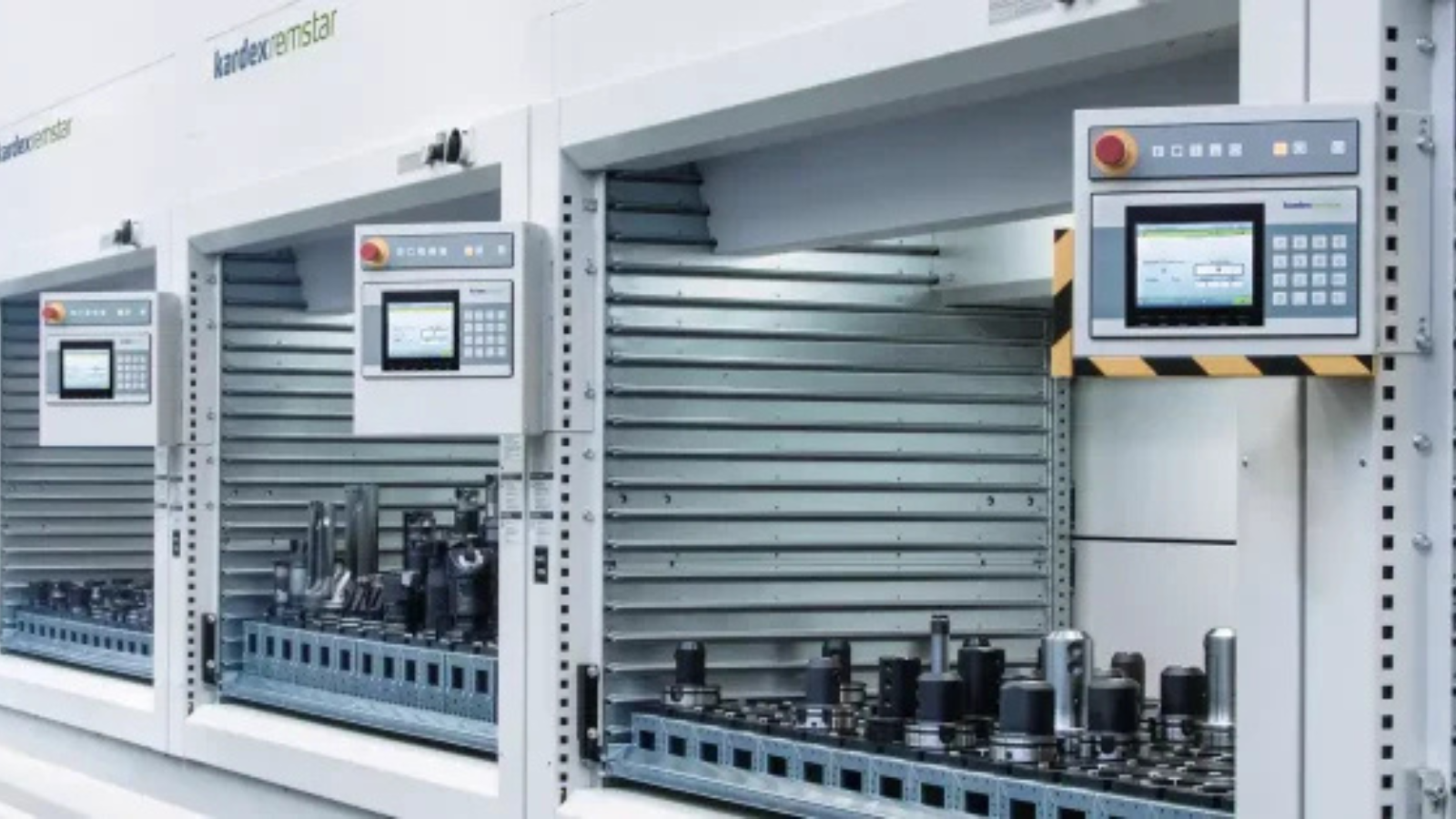
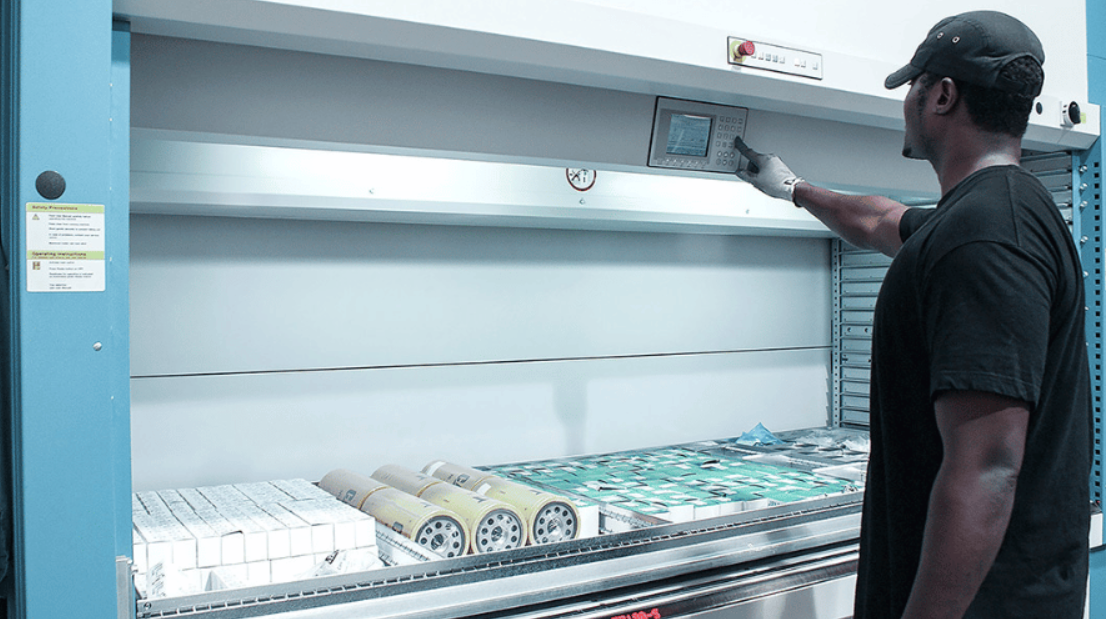
A Vertical Lift Module (VLM) is an automated storage system that utilizes vertical space, functioning like an intelligent storage cabinet that fully replaces traditional shelving systems.
- Goods are stored on trays stacked vertically, maximizing ceiling height utilization
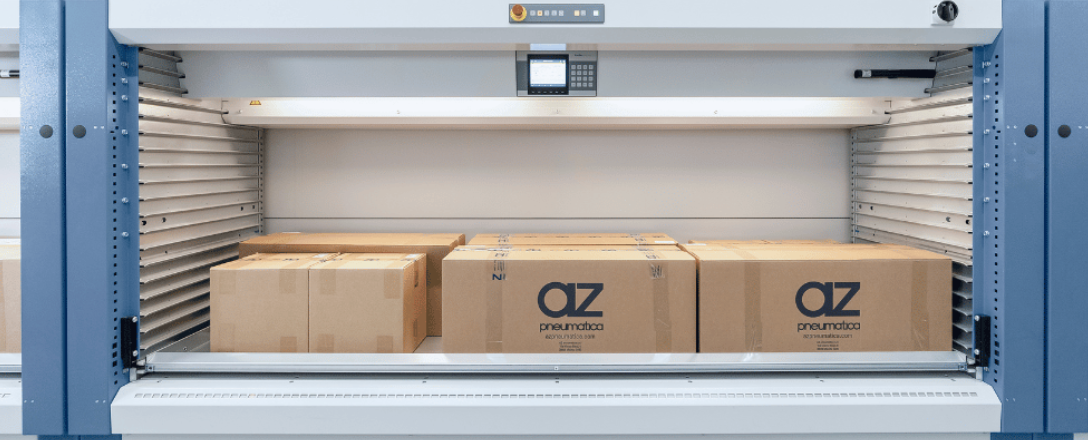
- When an item is needed, operators simply use the warehouse management interface, and the system automatically delivers the correct tray to an ergonomic picking position
- The system operates on a “goods-to-person” principle instead of “person-to-goods”
Inside a VLM system:
- Dual-column tray structure (front and rear)
- Automatic extractor moving vertically
- Height sensors that optimize storage space down to each centimeter
VLMs can be integrated with WMS, ERP, barcode, and RFID systems, aligning well with the roadmap toward smart and automated warehouses in Vietnam.
Why Are VLMs Ideal for Small and Medium Warehouses in Vietnam?
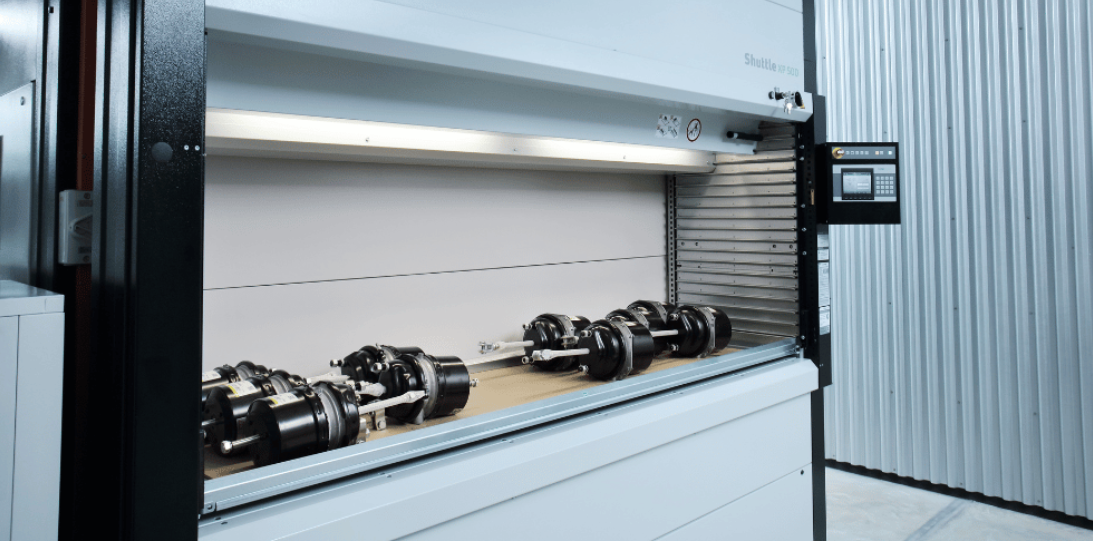
For many Vietnamese businesses, the biggest constraints are space and labor rather than demand. VLMs directly address these two challenges:
Space Optimization
VLMs can reduce floor space usage by up to 80–85% by fully utilizing vertical warehouse height. On the same footprint, businesses can store significantly more inventory than with conventional racking systems.
In many cases, a single VLM can replace dozens of shelving aisles, freeing up valuable space for production, packaging, or other high-value activities.
Labor Efficiency
With the “goods-to-person” operating model, VLMs dramatically reduce walking time and manual searching. Operators work at a fixed station while handling a higher number of order lines per shift.
This is especially valuable for small warehouses with lean teams that still require high speed and accuracy.
Boosting Efficiency Without System Complexity
A common concern among Vietnamese businesses regarding automation is system complexity, operational difficulty, and high maintenance costs. VLMs are designed to overcome these concerns.
They feature intuitive user interfaces and do not require specialized technical staff for daily operation. Installation is fast and causes minimal disruption to existing warehouse activities.
Businesses can start with a single VLM for a specific product group and gradually expand as demand grows. This phased approach makes VLMs a practical and low-risk smart warehouse solution for Vietnamese enterprises.
More Accurate and Transparent Inventory Control
Inventory errors are common in manually operated small warehouses. Picking mistakes, misplaced items, and time-consuming stock counts can directly impact costs and service levels.
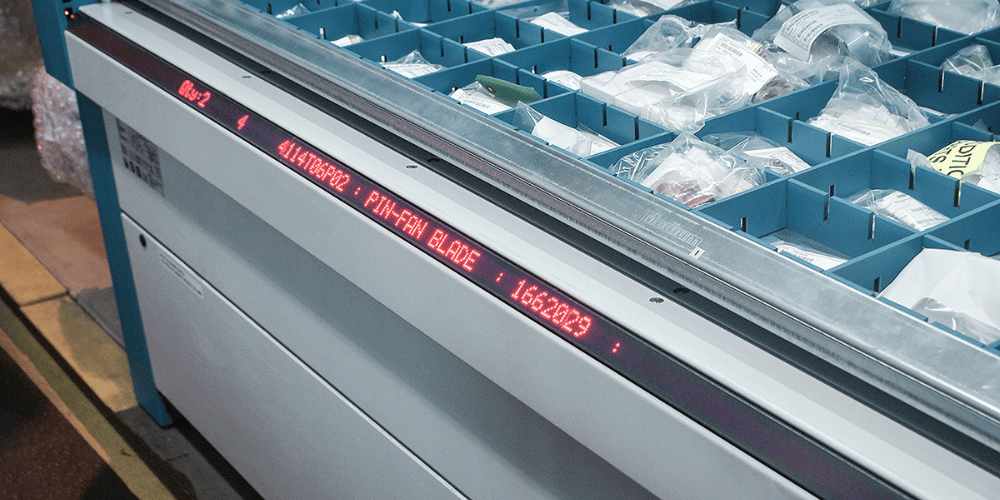
VLMs significantly improve accuracy by integrating inventory management software that records all inbound and outbound transactions as well as user activity. Access control and authorization features help protect high-value items, technical components, and critical materials.
As a result, inventory audits become faster, data is more transparent, and warehouse management becomes more professional.
Improved Workplace Safety and Ergonomics
Beyond operational efficiency, VLMs deliver clear benefits in terms of safety and ergonomics. Workers no longer need to climb, bend, or reach overhead to retrieve items. All picking operations occur at an optimal working height, reducing fatigue and workplace accidents.
As companies increasingly focus on employee well-being and sustainable working environments, this becomes a significant advantage—especially for long-term warehouse operations.
Practical Applications of VLM Smart Warehousing in Vietnam
VLMs are being effectively deployed across various sectors in Vietnam, including e-commerce, retail, manufacturing and assembly, spare parts storage, service centers, healthcare, and education.
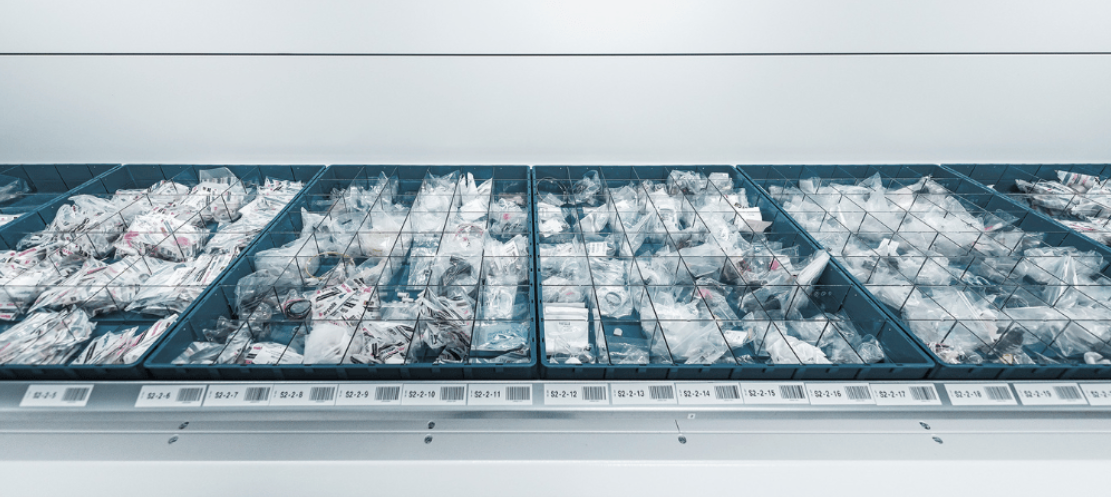
They are particularly well-suited for storing small components, spare parts, and consumable materials—making warehouses more organized, faster to operate, and easier to control.

Frequently Asked Questions About VLMs for Small and Medium Warehouses
Is a VLM suitable for small warehouses?
Yes. VLMs are designed to optimize space and labor, making them highly effective even in limited warehouse areas.
Is the investment cost too high?
Most businesses start with one VLM for a specific product group. Space savings, labor reduction, and error minimization provide a clear return on investment.
Can a small team operate a VLM?
Yes. The system is user-friendly and intuitive, allowing lean teams to operate efficiently without complex training.
Is installation and integration difficult?
No. Installation is fast with minimal disruption. VLMs can operate standalone or integrate with WMS/ERP systems as needed.
Can VLMs be used in low-ceiling warehouses?
Yes. VLMs are customized to match actual ceiling heights, making them suitable even for restricted spaces.
Are maintenance costs high?
No. VLMs are enclosed systems with low maintenance requirements and long-term reliability.
Is the performance improvement significant?
Yes. Picking productivity typically increases several times compared to manual storage, while errors and handling time are reduced.
Can the system be expanded as the business grows?
Absolutely. Additional VLMs or system upgrades can be implemented in phases.
What types of products are suitable for VLMs?
Ideal for components, spare parts, technical materials, small-to-medium SKUs, and high-value items.
What core value does a VLM deliver?
Optimized space utilization, reduced labor dependency, and enhanced operational efficiency—forming a strong foundation for smart warehouse development.