CÔNG TY CỔ PHẦN GIẢI PHÁP TỰ ĐỘNG HÓA ETEK | ETEK INTRALOGISTICS


What Is Intralogistics? Benefits of Optimizing Warehouse & Factory Operations in 2026
Introduction to Intralogistics
As businesses increasingly seek optimal solutions to improve efficiency, flexibility, and accuracy in warehouse operations, ETEK Intralogistics delivers comprehensive solutions for warehouse management and operations.
Before exploring these solutions, what exactly is “Intralogistics”?
According to common definitions, intralogistics — a combination of “intra” (internal) and “logistics” (management of material and information flows) — refers to all logistics activities that take place within a warehouse, distribution center, or factory. These activities include goods receiving, storage, internal transportation, picking, sorting, inventory management, and outbound shipping.
Unlike traditional logistics, which focuses mainly on external transportation and delivery, intralogistics emphasizes internal efficiency—ensuring that the flow of goods, materials, and information inside warehouses or factories is smooth, fast, accurate, and less labor-intensive.
ETEK Intralogistics provides end-to-end solutions consisting of smart storage systems (automated racking, AS/RS, shuttle systems, vertical lifts), automated picking and sorting systems, internal material handling equipment (AGVs/robots, conveyors), warehouse management software (WMS), and supporting devices such as scanners and barcode/RFID systems.
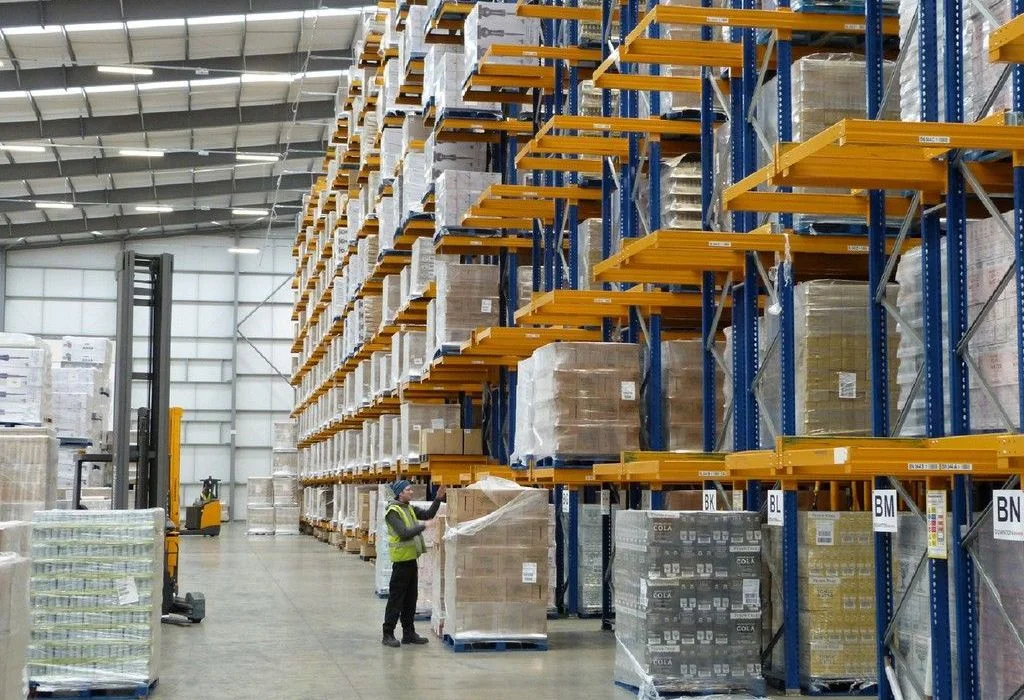
Why Intralogistics Is Becoming a Trend — Key Benefits
Implementing intralogistics solutions delivers tangible advantages, helping warehouses and factories operate more efficiently:
1. Increased Efficiency & Throughput
Automation enables faster and continuous inbound, outbound, and packing flows. Bottlenecks are reduced, and order processing speed increases significantly.
2. Lower Costs & Reduced Labor Dependency
Robots, AGVs/AMRs, and automated storage systems replace repetitive manual tasks, reducing labor costs, minimizing errors, and improving operational stability.
3. Optimized Warehouse Space
AS/RS, shuttle systems, and vertical storage solutions increase storage density, allowing warehouses to handle more SKUs within the same footprint—especially critical in industrial zones.
4. Accurate & Transparent Inventory Management
WMS integrated with barcode/RFID enables real-time inventory tracking, simplifying stock audits and reducing overstock and stock-out risks.
5. Flexibility & Scalability
Intralogistics systems allow easy expansion—adding robots, extending racks, integrating conveyor modules, or adjusting layouts without rebuilding the entire warehouse.
6. Improved Workplace Safety
Robots handle heavy tasks such as lifting, high-level picking, and pallet transport, creating a safer working environment and reducing accident risks.
7. Enhanced Service Quality
Fast and accurate processes help businesses handle high order volumes, enable faster delivery, and improve customer experience—especially crucial for e-commerce, distribution, and FMCG sectors.
Thanks to these benefits, intralogistics is becoming a standard for modern warehouses and factories—particularly in manufacturing, e-commerce, distribution, FMCG, pharmaceuticals, and component industries where high throughput, diverse SKUs, and fast processing are essential.
Key Components of an Intralogistics System
A well-structured intralogistics system typically includes the following solution groups:
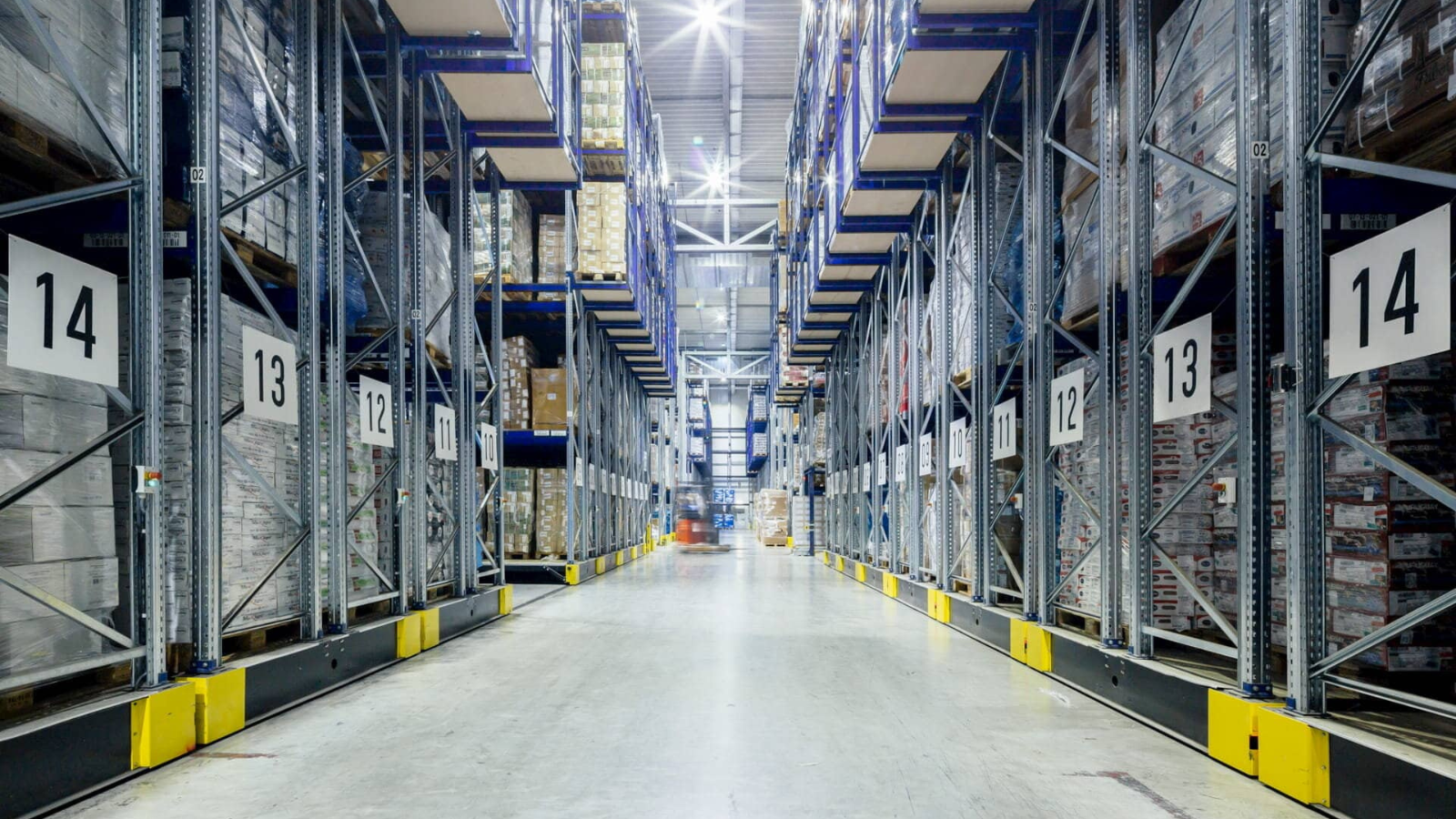
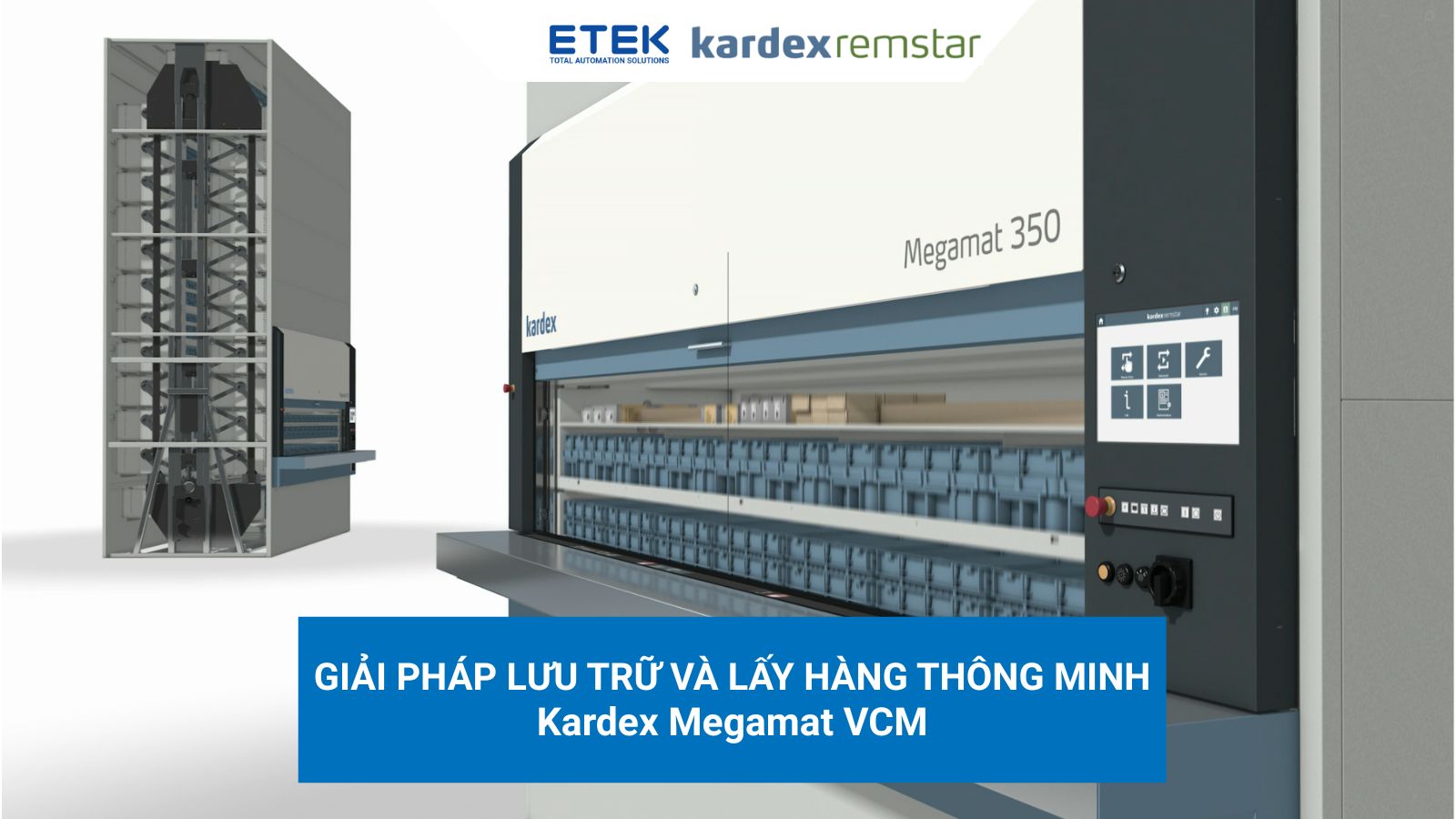
- Smart Storage Systems: Automated racking, AS/RS (stacker cranes, shuttle systems, mini-loads, vertical lifts, mobile racks) that maximize storage efficiency, utilize vertical space, and support various product types.
Learn more about smart warehouses HERE
- Automated Internal Transport & Handling Equipment: Automated guided vehicles (AGVs, AMRs), conveyors, and pallet shuttle systems that ensure fast, stable material movement with minimal human intervention.
Learn more about AGV/AMR solutions
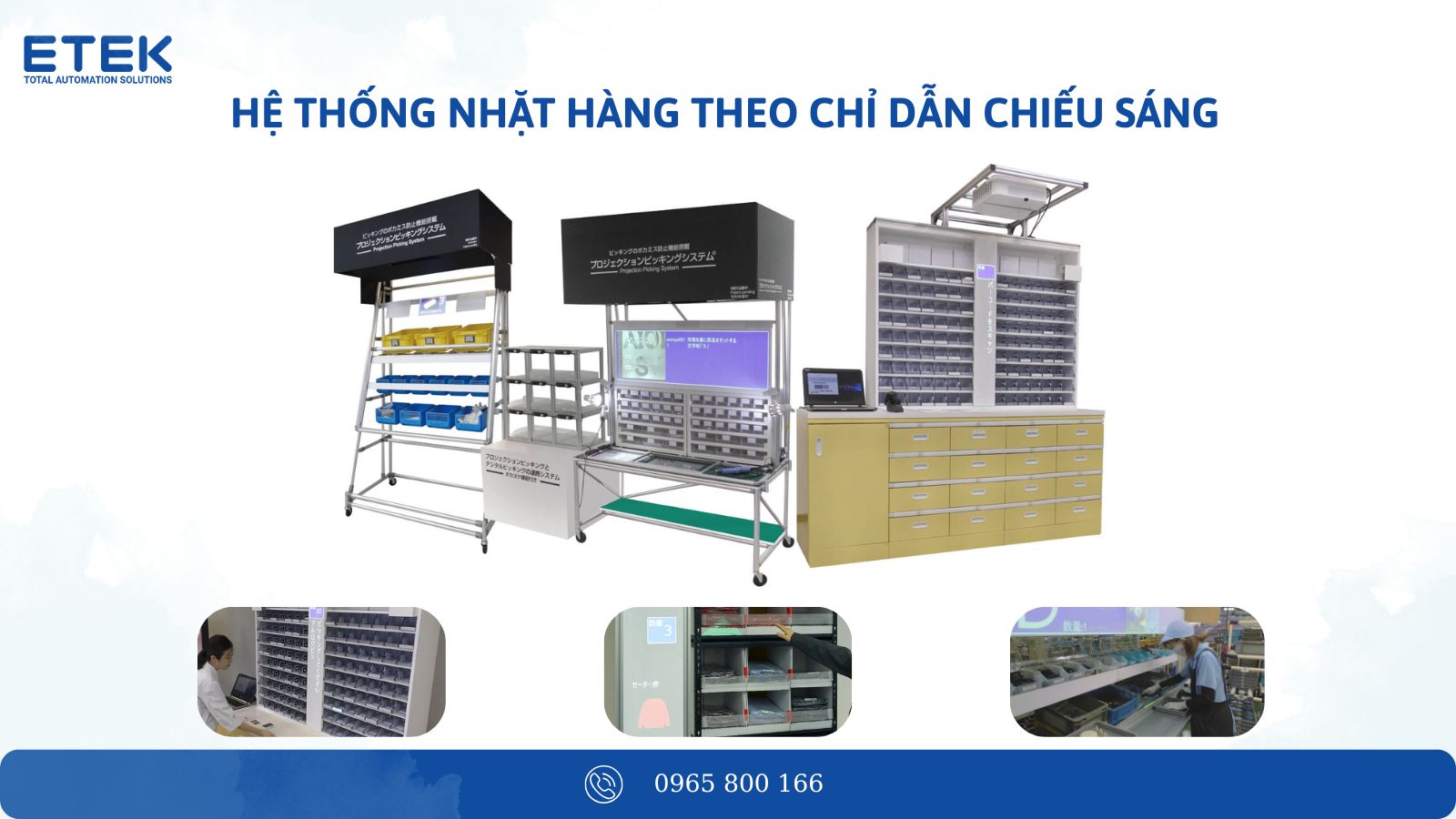
- Automated Picking, Sorting & Packing Systems: Pick-to-light, put-to-light, robotic picking, and sorting systems (3D sorters, mix sorters) that are especially effective for warehouses handling high order volumes and diverse SKUs.
Explore picking, sorting, and packing systems HERE
- Warehouse Management Software (WMS) & Data/IoT Systems: Solutions that control inventory, locations, material flows, tracking, and real-time reporting—supporting faster decision-making and preventing excess or insufficient inventory.
Learn more about WMS solutions HERE
- Supporting Systems: Barcode/RFID, scanners, sensors, IoT, and control systems that ensure accurate tracking, security, traceability, and compliance with industry standards such as pharmaceuticals, food, and electronics.
View supporting system products
By seamlessly integrating these components, businesses can build smart, automated, flexible warehouses and factories that are ready to scale and adapt to future growth.
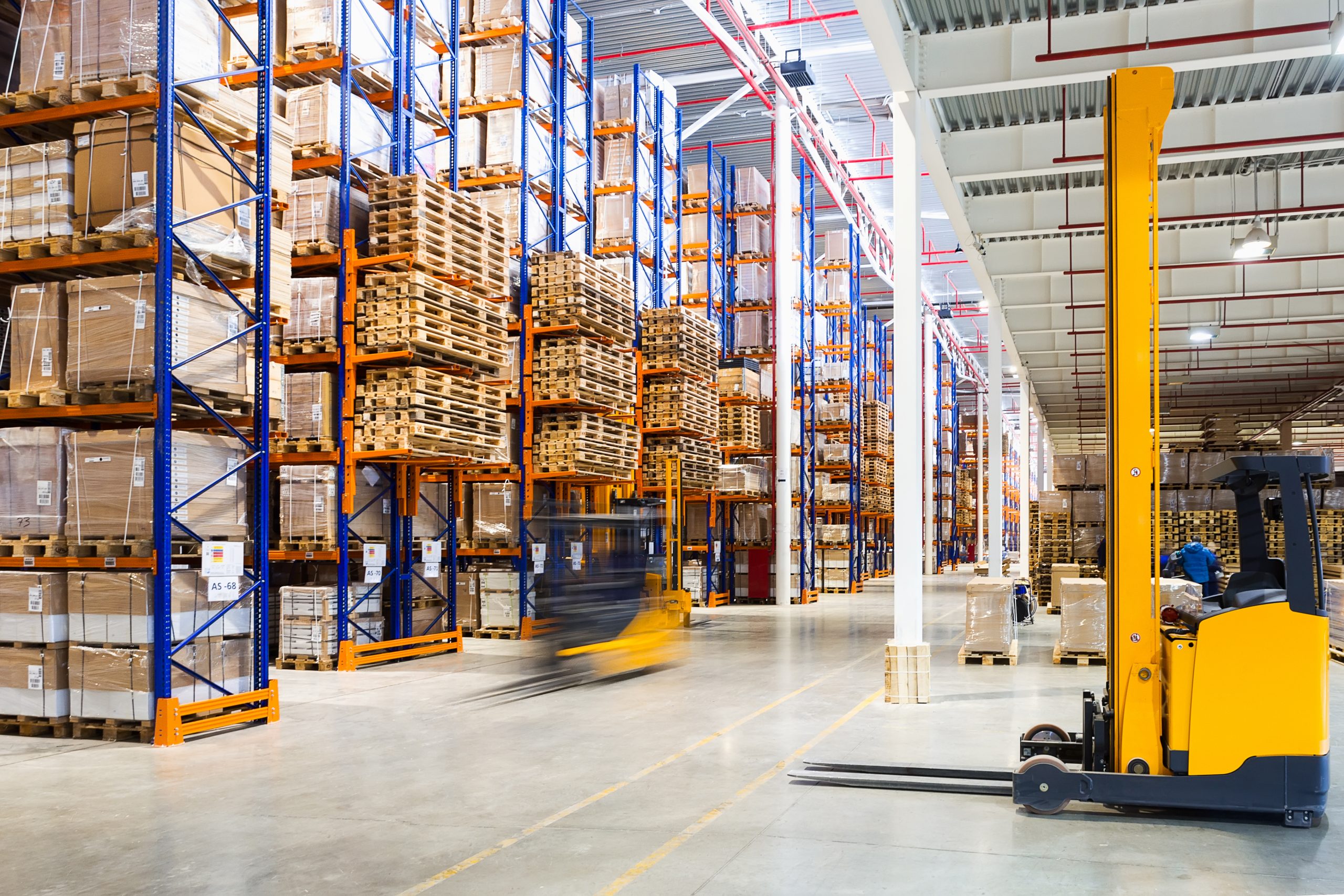
Who should consider adopting Intralogistics?
Intralogistics solutions are especially suitable for:
- Businesses with medium to large warehouses and a high number of SKUs
- Manufacturing plants, distribution centers, and e-commerce operations
- Companies requiring fast, accurate, low-error order processing
- Organizations planning to scale up or standardize operations
- Industries such as FMCG, pharmaceuticals, electronics, automotive & spare parts, F&B, and logistics
Small businesses with few SKUs and low order volumes should carefully evaluate costs and ROI before implementation.
Practical benefits of adopting Intralogistics
- Increased productivity and processing speed
- Reduced labor and operating costs
- Real-time, accurate inventory management
- Optimized warehouse space through high-density storage systems
- Improved workplace safety and reduced accident risks
- Scalable and flexible systems aligned with business growth
- Enhanced customer service and competitive advantage
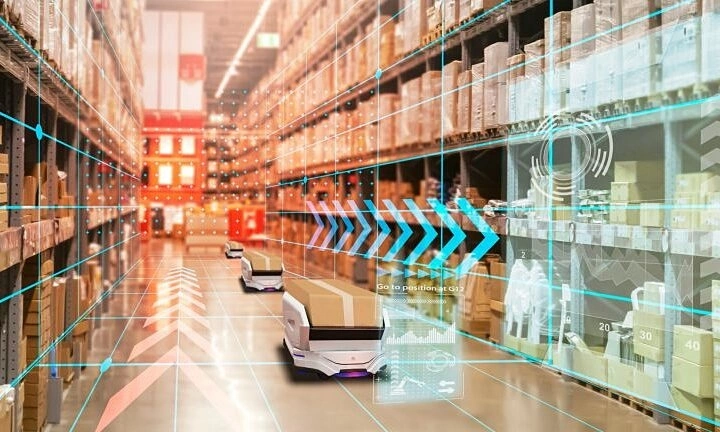
Key considerations when implementing Intralogistics
Before investing in an intralogistics system, businesses should consider:
-
High initial investment costs and clear ROI calculations
-
Proper site survey and layout design
-
Training staff to operate new systems
-
Regular maintenance requirements for automated equipment
-
Best suited for companies with large-scale, long-term operational needs
Conclusion
Intralogistics—combining automation technologies, intelligent warehouse management software, and modern warehouse design—is no longer just a supporting solution but is becoming the operational standard for warehouses and factories in the Industry 4.0 era.
For businesses with a long-term vision to boost productivity, reduce costs, improve accuracy, and standardize processes, investing in the right intralogistics system with a trusted partner like ETEK is a strategic move.
You may also be interested in: